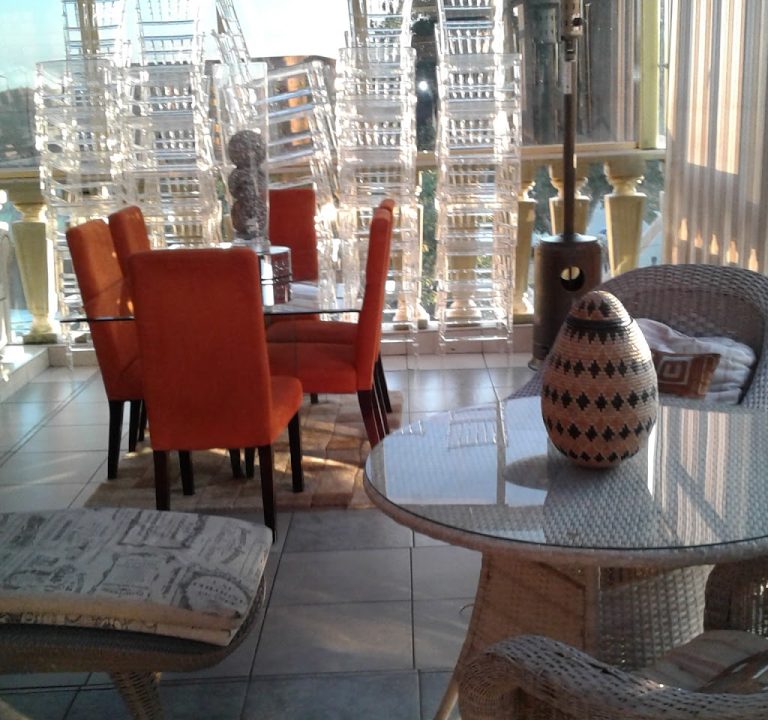
Stay, explore, and savour Soweto: accommodation, attractions and practical tips
Soweto, a vibrant and historically significant part of Gauteng, offers a range of self-catering options, guesthouses and lodges that place you at the heart of urban South African culture. When planning a stay, think about how you want to experience the township: some visitors prefer quiet residential stays with easy access to transit, while others seek closer proximity to cultural sites and lively markets. Soweto’s accommodation styles vary from compact flats and guest rooms in restored homes to intimate lodges with shared facilities. The best choice depends on your priorities—space, privacy, social atmosphere or direct contact with local life.
Areas to consider include residential neighbourhoods with straightforward transport links, and tourist-friendly hubs that provide guided activities or on-site hosts. Orlando West and surrounding districts can be convenient for guests seeking walkable routes to local eateries and memorial sites, while other neighbourhoods offer a more tranquil base with quick access to major roads and ride-sharing options. When selecting a stay, consider proximity to the places you wish to visit, as well as the availability of on-site parking, self-catering facilities, and flexible check-in arrangements. Many properties feature fully equipped kitchens or kitchenettes, and some offer communal spaces where guests can mingle with hosts or other travellers.
Typical amenities to look for include secure parking, reliable Wi‑Fi, clean linen and towels, well-equipped kitchens, and clear house rules for self-catering stays. A private bathroom, air-conditioning or fans for hot months, and good heating for cooler evenings can be important depending on the season. Hosts in Soweto often guide guests to authentic experiences—such as local markets, cooking demonstrations, or traditional music and dance evenings—so a hospitable, responsive host can enhance your visit. If you plan to cook, check the kitchen’s equipment and stock of basics. For longer stays, it’s useful to know whether the accommodation provider offers weekly cleaning or laundry services, and whether there are convenient grocery stores nearby.
Transport is a practical consideration. The area has various public transit options and ride-hailing services, but the most convenient plan tends to be a mix of on-foot exploring in safe, well-lit streets and scheduled transfers to more distant sites. If you lack access to a car, confirm how you will reach key attractions, markets, and dining districts, and whether the host can suggest reliable local drivers or recommended routes. For day trips or extended explorations, ask about guided tours or partner operators who can arrange authentic township experiences with respect for local communities.
The best time to visit Soweto is influenced by the climate and events calendar. Spring and autumn offer mild weather for walking tours and outdoor markets, while summer brings longer daylight and lush surroundings—though occasional showers can occur. Winter in Soweto is generally mild but can be cooler in the evenings, so a light jacket is handy. If your schedule allows, align your stay with local markets, performances, or community events, which can provide insight into everyday life and traditions. Always check local advisories and plan for safe, well-lit evening routes if you intend to dine out after dusk.
When it comes to food and dining, Soweto presents a spectrum of options from casual eateries to more boutique dining concepts that celebrate both traditional and contemporary flavours. Many travellers enjoy trying dishes that reflect local culture, prepared with care and sourced from nearby markets or farms. Rather than seeking out specific restaurant names, look for venues that emphasise hospitality, fresh ingredients, and a comfortable atmosphere. A good rule of thumb is to ask hosts or fellow guests for recommendations on reputable, well-reviewed places that offer a relaxed setting and friendly service.
Practical tips to help you plan a smooth stay:
- Book with hosts who clearly outline check-in procedures and accessibility in advance.
- Ask about security features such as secure entry, well-lit surroundings, and safe parking arrangements.
- Request information on nearby grocery shops, pharmacies and convenience stores to stock your self-catering needs.
- Inquire about guided or self-guided area walks to understand safer routes and notable sights.
- Consider a balanced itinerary that blends heritage sites with time for spontaneous discoveries at markets and community spaces.
For planning resources and further inspiration, you can explore official tourism information and visitor guides that cover Soweto’s history, culture, and practical travel tips. These sources typically offer neighbourhood highlights, recommended itineraries and general guidance on transportation, safety, and seasonal events. Always verify any travel information close to your dates, as schedules and services can change. If you prefer a more structured plan, many accommodation providers collaborate with local operators to arrange authentic experiences that respect residents and the environment.
In summary, Soweto offers affordable, welcoming stays with a strong sense of place, accessible transport links, and numerous opportunities to engage with the community. By choosing a well-located base, prioritising practical amenities, and planning with a flexible mindset, you can enjoy a memorable visit that balances comfortable accommodation with enriching local experiences. For practical information and ideas to shape your trip, consider visiting Soweto-focused tourism pages online to supplement your plans with up-to-date guidance and suggested routes.