Staying in Soweto: accommodation, planning and local experiences
Soweto, on the southern edge of Johannesburg, blends compelling history with vibrant daily life. Its accommodation ranges from intimate guesthouses and B&Bs to contemporary lodges and family-run stays, offering a gateway to South Africa’s past and its dynamic present. When planning a visit, consider where you will base yourself to balance easy access to sights with a sense of neighbourhood character.
Neighbourhoods such as the central cultural pockets and traditional residential areas foster atmosphere and conversation, while more modern enclaves can provide convenience for shopping and dining. A stay in a B&B or small guesthouse often yields a warmer, more personalised experience, with hosts happy to share local insights, tips for routes around town and recommendations for eateries and markets. If you prefer a quieter base with easy transport links, look for lodges or guesthouses that advertise clear access to major roads and taxi or shuttle options.
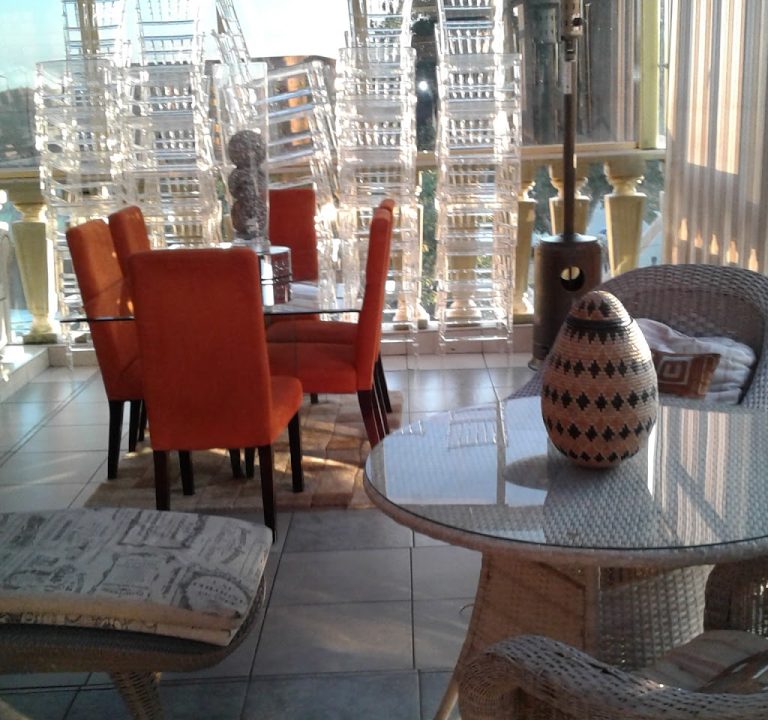
Typical amenities to look for include secure parking or good street-level safety measures, reliable breakfasts, and staff who can assist with arranging tours or airport transfers. Handy touches such as free Wi‑Fi, in-room safety features, and information sheets about local buses and rideshares can make a difference to your stay. In many Soweto stays, you’ll find communal spaces—courtyards or verandas—where conversations with fellow travellers can unfold, offering personal recommendations for day trips and evening dining.
When choosing a place to stay, consider the following practical aspects. First, proximity to the sights you want to visit matters: while Soweto is well connected by road, some attractions are best accessed with a car or a guided tour. Second, check the transport options available from your chosen base. A few properties organise airport transfers or local shuttles, and hosts can advise on safe, reliable routes for evenings out. Third, look at the breakfast arrangements and meal options—some establishments offer full hot meals while others provide lighter continental options. Finally, review the cancellation policy and payment terms, particularly if you are travelling during busy periods or school holidays.
For a well-rounded stay, a suggested mix of experiences can enrich your visit. Morning strolls along historic routes and colourful markets, followed by afternoons exploring museums or township heritage centres, can be deeply rewarding. Evening meals at family-run eateries or casual restaurants provide a flavourful counterpoint to daytime sightseeing. While names and exact venues may change, guests often value places that offer a sense of place—where décor, stories, and hosts’ local knowledge come together to illuminate Soweto’s evolving story.
Families, couples and solo travellers will find options catering to different needs. If you are travelling with children, look for properties that offer extra bedding or family rooms and easy access to parks or open spaces. For couples seeking a quieter atmosphere, small guesthouses with private verandas or courtyards can be ideal, pairing a personal touch with convenient access to main routes. If you are exploring on a budget, consider mid-range guesthouses or B&Bs that include breakfast and helpful staff guidance, which can help keep daily costs predictable.
Best time to visit Soweto generally mirrors South Africa’s climate cycles. The dry winter months (roughly May to August) tend to be cooler and comfortable for daytime sightseeing, while the warmer summer period (October to February) brings longer days and occasional showers. Plan for occasional heat in peak season and be prepared with sunscreen, a hat and water. If you’re aiming to combine cultural experiences with football matches, concerts or seasonal markets, check event calendars in advance and book accommodation nearer to the venues when possible.
Travel and accessibility tips help ensure a smoother stay. Pre-book guided tours or day trips if you prefer in-depth context and safe, curated experiences. Always disclose any mobility needs in advance so hosts can advise on access and seating arrangements for attractions. Pack cash for small vendors and markets, as some places operate on cash transactions, though many accept cards. Bring a lightweight bag for day trips and comfortable walking shoes to navigate uneven pavements or markets.
One example of a local option to consider is MAGORA’S BED & BREAKFAST, a small establishment focused on warm hospitality and a personal approach to staying in Soweto. While facilities and exact offerings may vary, such B&Bs typically emphasise a home-from-home feel, helpful hosts, and opportunities to engage with neighbours and other guests. For practical details, visiting the property’s official website or reaching out through trusted booking platforms will provide current information on availability and services.
When it comes to dining and experiences, Soweto offers a broad spectrum without needing to travel far. Expect friendly eateries serving traditional favourites, modern twists on South African recipes, and markets where you can sample snacks and local crafts. For day trips, consider joining a guided township heritage walk or a safe, well-organised cultural experience in the vicinity. Always prioritise reputable operators, read recent guest reviews, and choose operators who emphasise cultural respect, safety and responsible tourism.
In summary, Soweto makes for a memorable stay when you choose accommodation that matches your pace and interests, plan transport thoughtfully, and embrace a mix of heritage and contemporary culture. With careful selection and a little flexibility, your stay can be both enriching and comfortable, leaving you with lasting impressions of South Africa’s dynamic heartland.