Accommodation and Experiences in Soweto: Where to stay and what to do
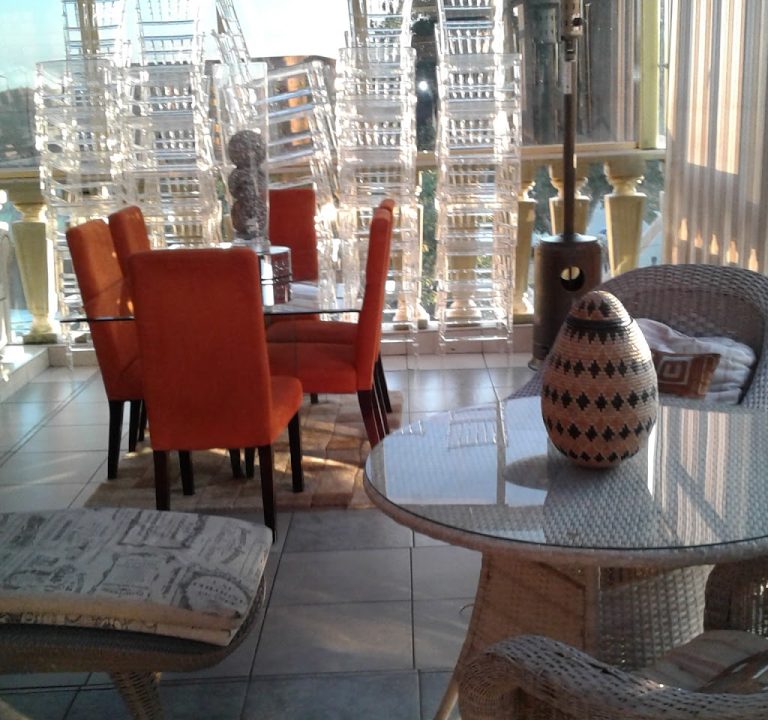
Soweto, a vibrant tapestry of history, culture and contemporary life, offers a range of stay options that suit different budgets and styles. From intimate bed & breakfasts tucked along quiet residential streets to welcoming guesthouses with a homely atmosphere, visitors can find a base that feels both convenient and immersive. One example of the local hospitality scene is TDJ Bed & Breakfast, which typifies the warmth and personal service many travellers appreciate when exploring the area.
When planning a stay in Soweto, the choice of neighbourhood matters as much as the room itself. Orlando and Pimville offer walkable streets, easy access to markets, cafés and heritage sites, while Vilakazi Street—famed for its historical associations—provides a lively centre with a compact array of eateries and guided-tour options. Diepkloof, Jabulani and other residential zones can be excellent for quieter, longer stays, often with more self-catering or apartment-style arrangements. Think about what you want to be close to: historic sites, food markets, public transport hubs, or simply a calm base from which to rest after a day of exploration.
Typical accommodation in Soweto ranges from family-run B&Bs and guesthouses to small lodges and self-catering apartments. Expect comfortable, thoughtfully decorated rooms, private or ensuite bathrooms, and on-site breakfasts or options for self-catering. Hosts often provide useful tips on local dining, taxi services, and practicalities, which can be invaluable for first-time visitors. For longer stays, some properties offer kitchen facilities, laundry services, and secure parking, all of which help with a relaxed pace while you get to know the neighbourhoods.
Booking factors to consider include location relative to your planned activities, transport arrangements, and safety features. Accessibility by car or public transport is particularly important in Soweto, where some parts are well served by minibus taxis and bus routes, while others are more spread out. If you plan guided tours, a stay near a transport hub or a central street with frequent rideshares can save time. Look for hosts who can arrange airport or station transfers, or who can point you to reputable local operators for township tours, markets, and cultural performances.
What to look for when you book:
- Clear description of room type, bed configuration and en-suite facilities
- Consistency in breakfast or self-catering options
- Secure parking or convenient street parking and safe access to the property
- Nearby amenities such as cafés, supermarkets, and petrol stations
- Transparent cancellation policies and check-in instructions
Practical tips for a smooth stay include allowing extra time for travel between Soweto and the central business district or northern Johannesburg, especially during peak traffic hours. If you are arriving by air, arrange a trusted transfer or confirm car hire arrangements in advance. Pack comfortable footwear for walking tours, as many heritage sites are best explored on foot. Bring a light layer for cool evenings, particularly in the dry winter months, when temperatures can drop after sunset.
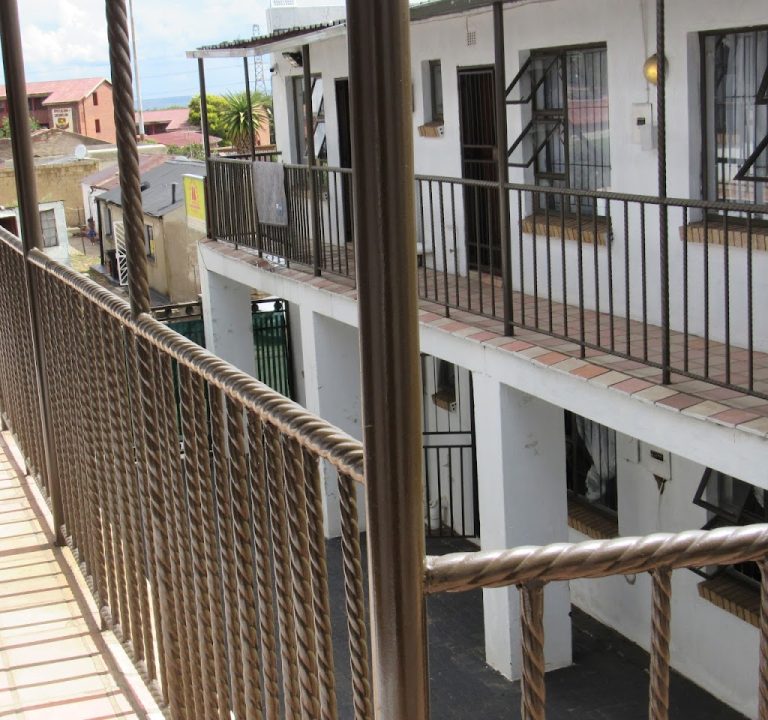
Typical amenities you might encounter in Soweto accommodation include free Wi-Fi, secure parking, daily or optional breakfast, and communal lounge spaces. Some properties offer balconies or courtyards that are pleasant for early-morning coffee or relaxed evenings. In B&Bs and guesthouses, you may find hosts who welcome guests with personalised local tips and short walking routes that reveal lesser-known corners of the area, alongside well-trodden attractions.
Best time to visit Soweto aligns with the broader South African climate. The dry winter season (roughly May to August) tends to offer comfortable sightseeing conditions, light crowds, and clearer skies for city views. The warmer, wetter summer months (November to March) bring afternoon showers, lush greenery, and a different rhythm to markets and outdoor spaces. Consider shoulder periods for a balanced experience with milder weather and fewer crowds, while still enjoying the region’s rich cultural calendar.
Attractions in Soweto span history, heritage and everyday life. Visitors can expect guided or self-guided experiences that illuminate the township’s pivotal role in South Africa’s journey. Museums and memorial sites convey stories of resilience, trade and community, while street art and markets reflect contemporary creativity. For dining, many neighbourhoods offer casual eateries where you can sample traditional dishes and modern takes on local favourites, often in lively, informal settings. Evening cultural performances, informal music venues, and neighbourhood markets provide further insight into daily life and the social fabric of Soweto.
Transport choices are varied and practical. Rideshare apps and local taxis are common for short journeys, while car hire can offer flexibility for exploring farther corners or returning late from evening activities. If you plan a full day of discovery, you might combine a township stroll with a stop at a nearby market or craft workshop, followed by a meal in a local restaurant or a cosy café. Arranging a guided tour can be a convenient way to access history-rich sites and learn about the area’s social landscape from knowledgeable locals.
In sum, Soweto offers a welcoming mix of accommodation styles and practical, immersive experiences. Whether you prefer a traditional B&B with personal touches, a comfortable guesthouse within a friendly street, or a self-catering option that feels like a home from home, you can tailor your stay to suit your pace and interests. With thoughtful planning—considering location, transport, and essential amenities—you can enjoy a richly rewarding visit that balances comfort with authentic discovery.