Staying in Soweto: accommodation, planning tips and what to do
Soweto, the vibrant heart of Gauteng, offers a diverse range of stays from cosy BnBs and guesthouses to stylish boutique hotels and mid‑range lodges. The neighbourhoods vary from lively, well‑connected streets to quieter residential pockets, all with easy access to transport routes and a wealth of cultural experiences. When planning a stay, think about what you want to get out of your visit: proximity to sights and dining, a chance to meet local hosts, or a more relaxed, residential atmosphere.
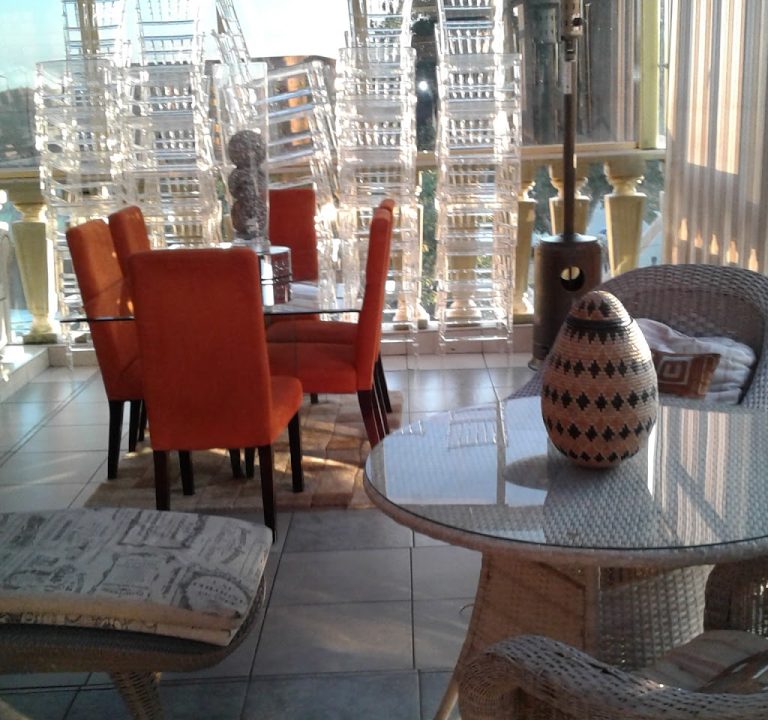
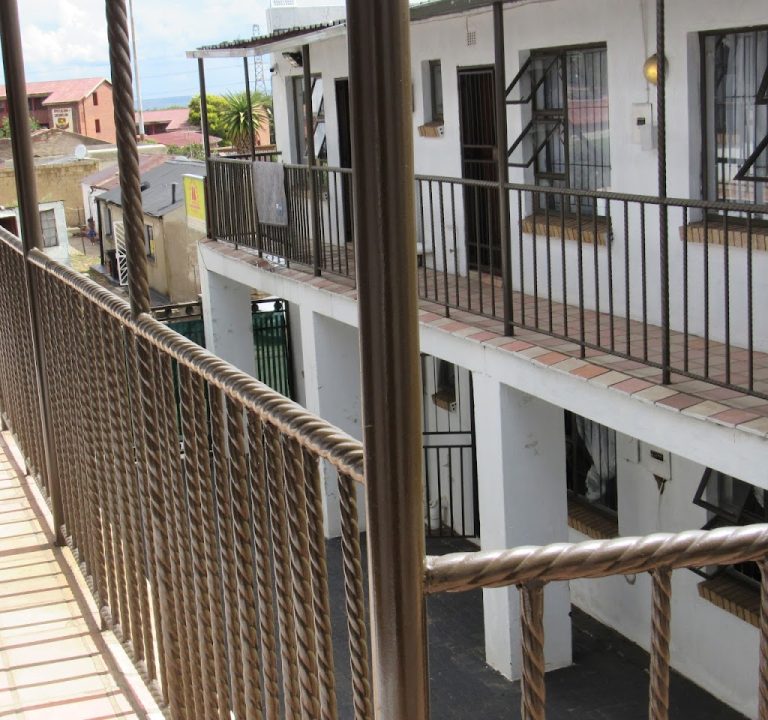
Accommodation options in Soweto are often defined by location and atmosphere rather than sheer luxury. If you prefer a bustling feel with easy walking access to shops and street life, consider stays closer to central Soweto areas where public transport and rideshare options are plentiful. For a quieter, more residential experience with space to unwind after a day of exploring, look for guesthouses or small hotels tucked away on tree-lined avenues or within gated compounds. Many properties offer a personal touch—hosts who can share local insights, helped by guides or curated experiences that reflect Soweto’s history, music, and daily life.
Booking considerations are similar to other destinations, but with a few Soweto‑specific touches. Look for hosts who can arrange or recommend reliable airport transfers or local transport, as some areas are best reached by private car or reputable taxi services. Check whether the property offers breakfast or a simple kitchen area, which can be convenient for early starts and budget‑friendly meals. If you value a social atmosphere, a guesthouse with communal spaces, a courtyard, or a small restaurant on site can be a bonus. For families or groups, ask about room configurations, extra bedding, and parking availability. Accessibility may be important, so confirm steps, lifts, or ramps if needed.
Typical amenities you might encounter include complimentary WiFi, air‑conditioning or fans, private bathrooms, and secure parking. Some properties offer guided tours or partner with local operators to arrange township walks, market visits, or music‑and‑culture evenings, which can be a wonderful way to deepen your understanding of Soweto’s past and present. A few stays may have small on‑site eateries or partnerships with nearby eateries, giving you convenient dining options without needing to travel far after a long day of sightseeing.
Transport access is a practical consideration. Soweto’s public transport links connect to central Johannesburg and the rest of Gauteng, but the frequency and reliability can vary by area. Many visitors opt for a combination of rideshare services and prepaid taxi options, especially for evening plans or early starts. If you plan day trips beyond Soweto, ask your host about local shuttle services or recommended routes to major transport hubs. Remember that traffic can be heavy at peak times, so factor time into your plans and schedule essential activities earlier in the day when possible.
The best time to visit Soweto depends on what you’re seeking. For outdoor exploration and comfortable daytime temperatures, the cooler, dry months from late autumn to early spring (roughly May to September) are pleasant. The spring and autumn shoulder periods can be ideal for those who want to avoid peak tourist crowds while still enjoying mild weather. If you’re keen on lively street life, markets, and cultural events, plan your stay around weekends when neighbourhood activity tends to increase, and consider checking local listings ahead of your trip for pop‑ups and live performances. Summer brings warmer days and occasional rainfall; if your plans include outdoor parks or gardens, pack appropriate rain gear and consider flexible itineraries.
When planning activities, Soweto’s appeal lies in its mix of history, music, food, and community spaces. Township tours offer context on the area’s pivotal role in South Africa’s story, while contemporary music venues and local markets showcase current creative energies. You don’t have to refine every detail in advance, but having a rough plan helps. Allocate time for a stroll through historic streets, a visit to a community project or art space, and a relaxed meal at a traditional‑style eatery or a modern cafe. If you enjoy learning through cooking or crafts, look for hosts who can connect you with short classes or demonstrations that celebrate local ingredients and techniques.
Dining in Soweto ranges from informal street food stalls to family‑run diners and contemporary eateries. Rather than focusing on specific names or prices, it’s useful to look for venues that prioritise fresh, local ingredients and a welcoming atmosphere. For evenings out, consider areas where there are several dining options within a short walk or ride, balanced with a safe, well‑lit environment. If you’re staying in a guesthouse with an on‑site restaurant or partner eateries, you’ll often have good, practical options close at hand without having to travel far after a day of sightseeing.
Practical tips for a smooth stay:
- Confirm check‑in and check‑out times well in advance and ask about self‑courtesy options if your flight times are irregular.
- Ask hosts about safe, reliable transport options and best routes for your planned days.
- Pack comfortable walking shoes for uneven streets and outdoor markets.
- Bring a small adaptor and any necessary toiletries, as some properties may have limited supplies.
- Respect local customs and take care with photography, especially in residential areas.
For planning resources and general guidance, reputable travel sites and the official tourism pages for South Africa can provide background on Soweto’s place in the broader Gauteng region. A well‑curated stay in Soweto blends welcoming accommodation with authentic experiences, giving visitors an approachable way to understand a rich and enduring part of South Africa’s story. For more ideas and practical inspiration, you can explore the broader Gauteng and South African tourism portals linked on official sites.