Staying in Soweto: accommodation, attractions and practical tips for a memorable visit
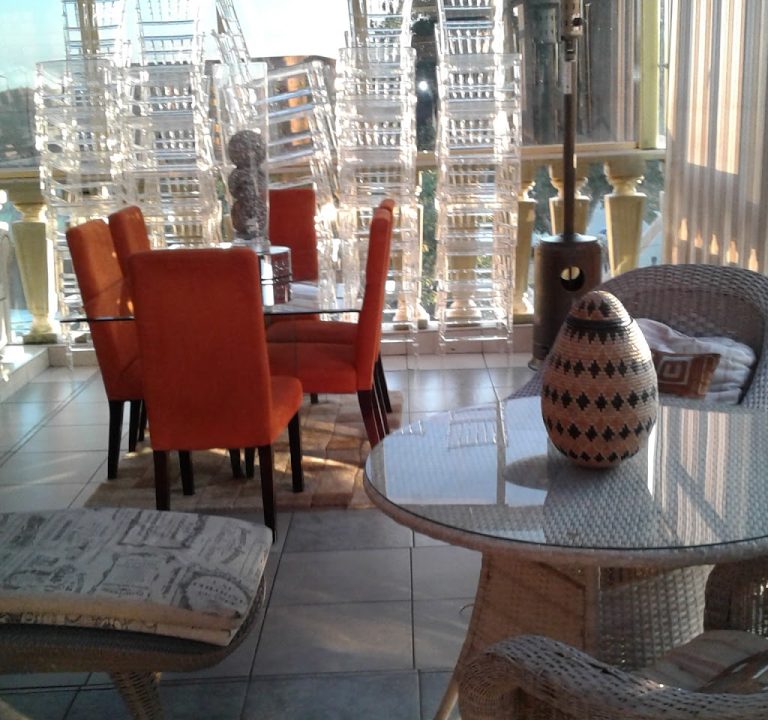
Soweto, in Gauteng, offers a rich mix of history, culture and vibrant neighbourhoods that make it a compelling choice for travellers seeking an authentic South African experience. When planning a stay, consider the different areas within Soweto to match your interests and pace. The central hubs around Orlando and Vilakazi Street provide easy access to museums, markets and walkable street life, while quieter residential pockets can offer a calmer base with easy street-level access to local eateries and parks. A self-catering option, such as NojaMella Estates, can be particularly convenient for families or groups who want more space and flexibility while exploring the area.
Accommodation in Soweto generally falls into several broad types. Self-catering units and serviced apartments are popular for their kitchen facilities and living space, which help you enjoy longer visits at your own pace. Guesthouses and small boutique hotels often provide a more personal touch, with hosts who can share insider tips on where to eat, how to arrange township tours, and which markets to explore. For travellers who want a guided introduction, some properties can help arrange reputable, local tours that focus on history, culture and street photography—always choose operators with clear safety practices and up-to-date reviews.
When choosing where to stay, think about proximity to transport links and safety. Soweto is well connected by road and by the occasional rail service from central Johannesburg, but many visitors prefer to use trusted taxi services or ride-hailing apps for transfers to and from the accommodation and between sights. If you plan to spend a full day exploring, look for a base with parking if you have a car, or access to organised tours that include transport. Check the reception or host’s guidance on security, entry procedures and any quiet hours in the area.
Typical amenities to look for include reliable Wi‑Fi, secure on-site parking, and well-equipped kitchens or kitchenettes for self-catering stays. A comfortable lounge area, clean bathrooms with essential toiletries, and effective air conditioning or heating are worth confirming, as Soweto’s climate can vary with the season. A small, well-stocked supermarket within a short distance can save you time, as can a local convenience store for snacks and bottled water. If you’re visiting during peak tourist periods, ask about breakfast options or whether there are self-service provisions in your unit so you can plan meals around your day’s activities.
What to see and do while you stay varies with interest. Many visitors plan a township day that includes a guided walk or drive to historic sites, cultural centres and local markets. While you don’t need to Memorandum every detail, it helps to have a rough outline of areas you’d like to explore, such as a historic street with storytelling opportunities, a market where artisans sell craftwork, and a community space where music and dance performances may be on offer. For a broader sense of the region, combine a walkable precinct with a visit to a larger museum or cultural centre in the wider Johannesburg area, always allowing time for a relaxed meal and street-side coffee or tea.
Restaurants in Soweto range from traditional eateries offering regional flavours to contemporary bistros and casual cafés. Expect dishes that highlight South Africa’s diverse culinary heritage, with options suitable for meat-eaters and vegetarians alike. A relaxed meal can be part of the travel experience, with many venues offering outdoor seating or open-air courtyards that capture the neighbourhood’s vibrant energy. If you’re staying in a self-catering property, you may also enjoy preparing simple meals using fresh ingredients from local markets or supermarkets, leaving evenings free to sample a different venue or revisit a favourite spot.
Best time to visit Soweto is generally during the milder months of spring and autumn, when the weather is comfortable for outdoor exploration. Summer can be lively with street markets and events, but it may bring afternoon showers. Winter mornings can be cool, with pleasant days later in the day. If you’re chasing specific events or markets, check the local calendars ahead of your trip and plan accordingly. Allow time for flexible days, so you can rise with the day’s mood and rhythms of the neighbourhood without rushing from one site to the next.
Practical tips to help your stay run smoothly:
- Book accommodation with clear safety information and a responsive host or manager, preferably with on-site staff or a 24-hour contact.
- Ask about arranged transport options or trusted local drivers, especially for evening outings or extended day trips.
- Pack comfortable walking shoes and a light layer for early mornings or cooler evenings.
- Carry a small amount of local currency for markets and small vendors, while ensuring your main payments use secure methods via your host or a recognised app.
- Respect local guidelines and community norms when visiting residential areas; engage with locals politely and observe any photography etiquette or restricted areas.
- Check the cancellation policy and any minimum-stay requirements, especially around holiday periods or special events.
Transport and access tips: while Soweto is well connected by road, taxis, ride-hailing services and organised tours provide convenient alternatives to driving yourself. If you are staying in a central, walkable area, you can pace your day to include short walks between key sights and a relaxed return to your accommodation for an afternoon rest. For longer day trips, plan in advance for a morning departure, allowing time to sit, reflect, and enjoy a tea or coffee before moving to the next site.
In summary, Soweto offers an inviting mix of self-catering options, guesthouses and boutique stays that can suit younger travellers, families and groups seeking a responsive, authentic stay. With thoughtful planning around location, amenities and transport, you can enjoy a comfortable home base while discovering the history, culture and everyday life that makes Soweto a memorable part of any Gauteng itinerary.