Accommodation and Attractions in Plettenberg Bay: A Practical Guide for Visitors
Plettenberg Bay, often simply called Plett, is a coastal town on the Western Cape that combines pristine beaches, nature reserves and a relaxed South African hospitality scene. When planning a stay, it helps to think about where you want to base yourself, what amenities you value, and how you’ll get around to the surrounding sights and experiences.
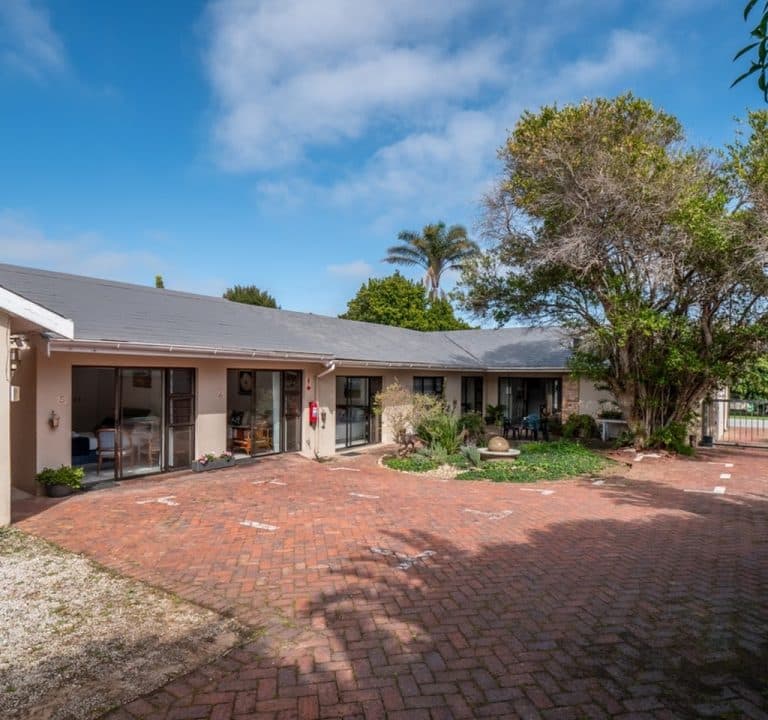
Accommodation in Plettenberg Bay ranges from family-friendly guesthouses and mid-range lodges to boutique hotels and self-catering escapes. A variety of lodges, including options on Thesen Island and along the coastal strip, offer easy access to beaches and scenic walks. Among the well-regarded options is Nothando Backpackers, a lodge-style stay that provides a balance of communal spaces and private accommodation. Its location is convenient for exploring the region, and it links to further information via its official website: nothando.co.za.
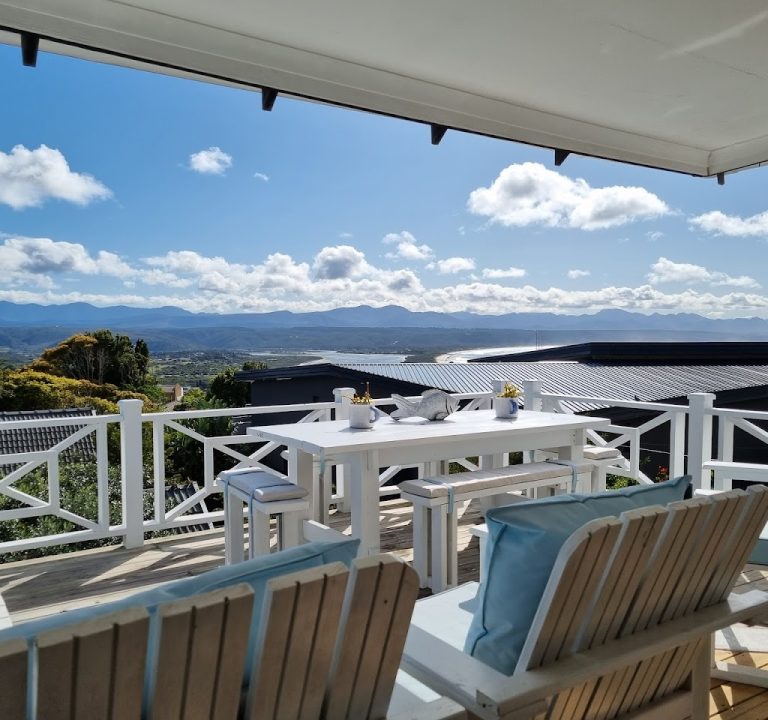
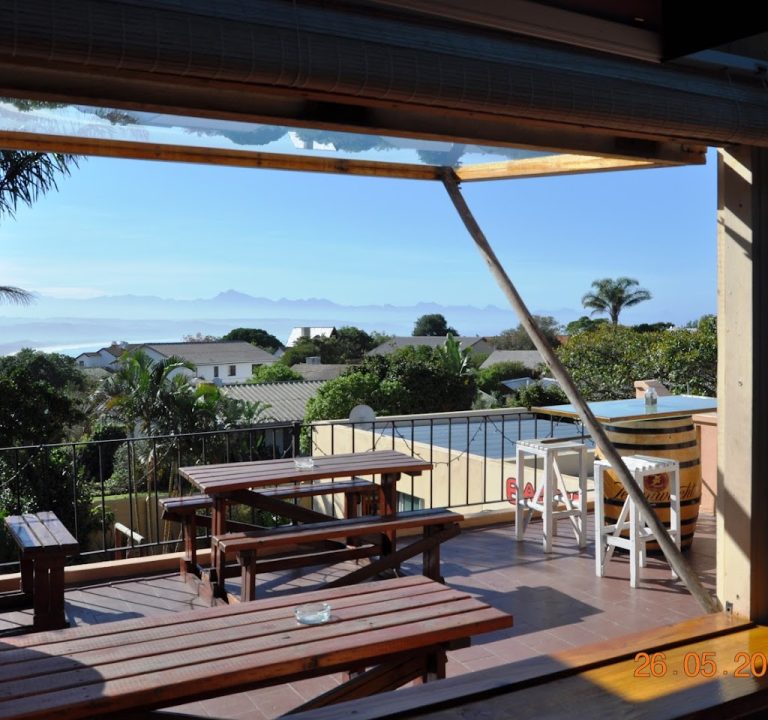
Typical amenities you might encounter include free Wi‑Fi, on-site parking, en-suite bathrooms, and shared social spaces. Many properties offer terraces or gardens, outdoor seating, and access to BBQ facilities or small kitchens. If you are travelling with family or a group, look for family rooms or apartment-style accommodation with separate living spaces. For those seeking more luxury or privacy, boutique hotels and lodges on or near the beach can provide additional amenities such as private balconies, sea views, or enhanced housekeeping services. When choosing where to stay, consider proximity to beaches, the town centre, and the main thoroughfares that link you to nature reserves and day trips.
Areas to consider for your base include:
- Central Plettenberg Bay: Close to shops, restaurants and beaches, with easy access to the harbour and popular walking routes.
- Robberg Beach and Reserve vicinity: A short distance from rugged coastline and coastal trails, ideal for walkers and wildlife watchers.
- Thesen Island and the marina area: A quieter, modern neighbourhood with waterfront views and convenient access to boat trips and waterside activities.
- Goose Valley and surrounding residential areas: A bit further from the bustle, often with larger properties and garden-focused stays.
Transport around Plettenberg Bay is practical for visitors who have a car, but there are also options for guided tours, shuttles, and rideshares. If you plan to hike or explore nature reserves, a car gives you maximal flexibility to reach remote beaches and trailheads. Some accommodation providers can arrange airport or town transfers, and many offer recommendations for local drivers or guided day trips. For guests without a vehicle, check proximity to main streets and the possibility of walkable routes to beaches and eateries.
Best time to visit Plettenberg Bay depends on what you are after. Summer months (December to February) bring longer days, warmer waters and the peak beachgoing season, with busy towns and many outdoor activities. From autumn into early winter (March to May), the weather remains mild and the crowds ease a little, which is ideal for explorers who prefer quiet beaches and nature walks. Winter (June to August) can be cooler and windier, yet it is still a good time for whale watching further along the coastline and for those who enjoy off-peak rates. Spring (September to November) often offers a pleasant balance of pleasant weather and fewer crowds, making it a popular choice for outdoor adventures and coastal scenery. Always check forecasts and seasonal activity calendars when planning specific beach days or reserve visits.
When booking, think about the level of contact you want with hosts or staff. Some travellers enjoy the social atmosphere of hostels or lodge-style properties with shared kitchens and lounges, while others prefer the privacy of ensuite rooms or self-catering apartments. Look at guest reviews for notes on cleanliness, responsiveness, and how well the host or property manages transport and excursions. Clear cancellation policies, reasonable minimum stay requirements, and transparent information about parking and access are practical points to confirm before you book.
Practical tips for a smoother stay:
- Confirm how far your chosen accommodation is from beaches, shops and medical facilities, and whether you’ll need a vehicle for day trips.
- Ask about safe storage for equipment such as surfboards or bicycles if you plan active days.
- Consider properties with flexible dining options or kitchen facilities if you prefer self-catering for some meals.
- Check whether the lodge or guesthouse offers guided walks, boat trips, or nature excursions and whether these are included or paid separately.
- Pack sun protection, light layers for cooler evenings, and sturdy footwear for coastal trails and reserve paths.
Beyond accommodation, Plettenberg Bay is known for its coastal beauty and accessible nature. Scenic beaches invite relaxed afternoons, while wildlife encounters and nature reserves offer walking trails and vantage points for birdlife and local fauna. For dining, the town features a range of eateries that focus on fresh, regional ingredients—ranging from casual cafés to more refined dining rooms—so you can enjoy a varied culinary experience without venturing far from your base. While exact menus and prices change, visitors can generally expect dishes that highlight seafood and local produce, accompanied by Cape wines from nearby regions.
In planning your stay, balance a comfortable base with enough daytime activity to enjoy Plettenberg Bay’s coastal character and surrounding natural beauty. With the right choice of accommodation and thoughtful preparation, a visit can combine restful downtime with memorable outdoor experiences and convenient access to local hospitality.