Where to stay and what to do in Plettenberg Bay, Western Cape
Plettenberg Bay, often simply called Plett, is a sun-drenched gateway to the Garden Route. It sits along a stretch of coastline famed for its white-sand beaches, clear waters and surrounding nature reserves. For visitors seeking self-catering options, boutique stays or larger guesthouses, the town is well equipped to cater for a range of budgets and travel styles. Whether you arrive with a plan for long beach days, marine encounters or scenic hikes, Plettenberg Bay makes it easy to enjoy a relaxed, coastal pace while still having access to modern comforts.
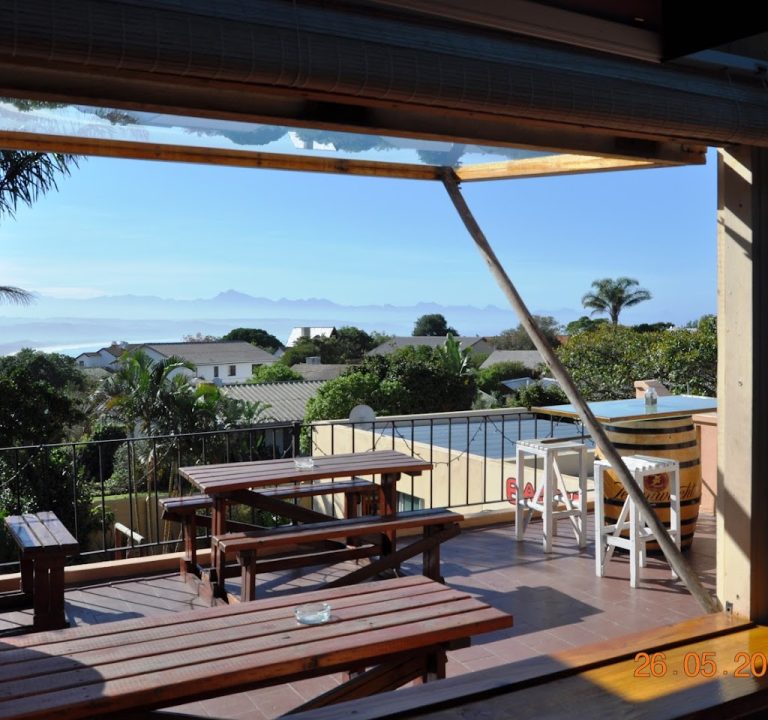
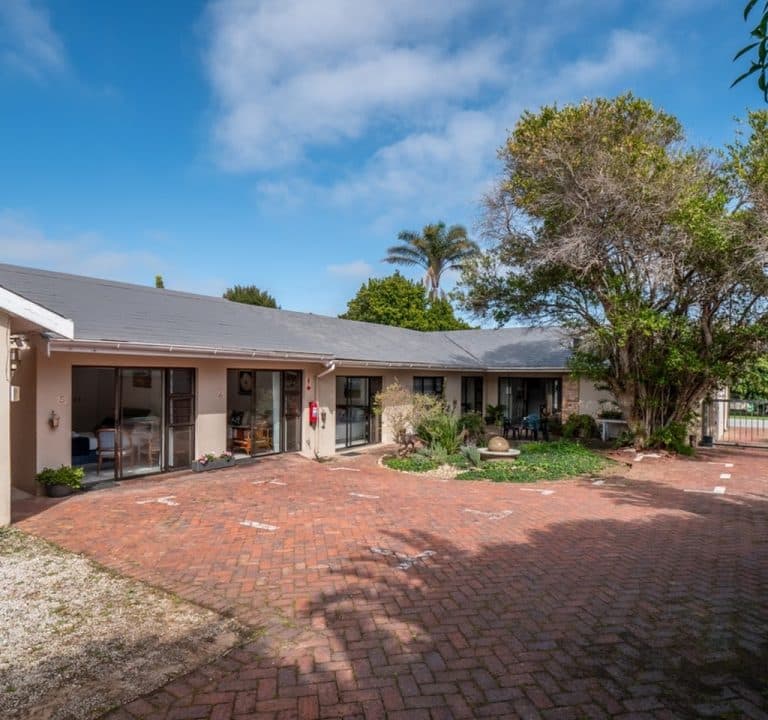
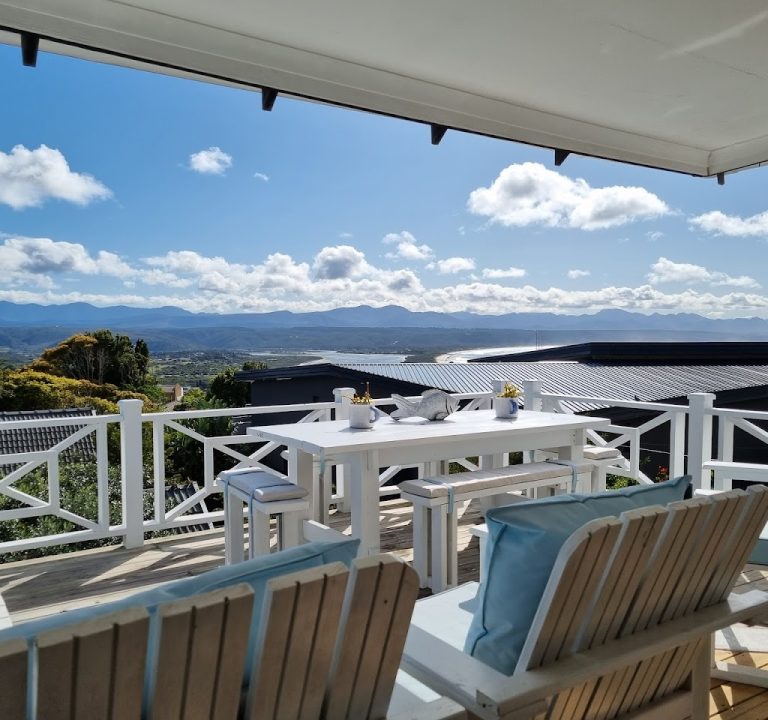
Accommodation in Plettenberg Bay spans a few distinct areas, each with its own character and practical advantages. The central areas are closest to the main beaches, shops and dining options, making evening strolls and quick trips to cafes straightforward. The Beacon Island and Central Beach neighbourhoods offer a convenient base for walkers who want to be near the action, while Robberg Peninsula and surrounding suburbs provide more seclusion, wider sea views and easy access to nature trails. If you’re travelling in a group or with family, self-catering cottages, apartments or small guesthouses can offer flexible layouts and the freedom to cook your own meals, which is where a place such as Amakaya Backpackers Travellers Accommodation can fit into a broader itinerary while keeping costs sensible.
When choosing where to stay, think about transport and access. A vehicle is helpful for exploring the wider region, including nearby towns and farm stalls, but you can also rely on local taxis or ride-sharing for shorter hops to beaches, restaurants and beaches. If you’re arriving by plane, the closest international gateways are in George and Port Elizabeth, with road connections from there to Plettenberg Bay. For those who enjoy scenic routes, a drive along the coastal road provides stunning views and several viewpoints where you can pause for photographs or a short walk.
Typical amenities in Plettenberg Bay’s accommodation market include well-equipped kitchens or kitchenettes, comfortable living spaces, free Wi‑Fi, secure parking, outdoor spaces such as patios or balconies, and access to communal areas like swimming pools or barbeque facilities. Self-catering options, in particular, tend to emphasise privacy and the ability to tailor meals to dietary preferences. When booking, check whether bed linen, towels and household goods are supplied, and whether there are optional extras such as daily cleaning, laundry services or optional guided activities. Look for places with a good local touch—hosts who can recommend beaches with lifeguards, quieter pools, or child-friendly walking routes can make a stay smoother, especially for first-time visitors.
Key practical tips for planning a stay include a careful look at noise levels, view orientation, and the proximity of the accommodation to beaches or town amenities. If you’re sensitive to early morning birdlife or sea breezes, you may prefer a room or unit away from balconies facing the street. Consider the kitchen’s layout for your meal plans: a compact kitchenette is fine for light cooking, but a full kitchen may save you time and allow for more elaborate meals. For families or groups, check the number of bedrooms and the configuration of sleeping areas, as well as whether there are child-friendly facilities like high chairs or secure outdoor spaces.
Seasonality in Plettenberg Bay is milder than many inland areas, with warm summers and cooler winters. The peak summer months are popular for beach activities, while spring and autumn offer balmy days with fewer crowds. The region’s marine and nature draws are accessible year-round, though some attractions may be weather-dependent. If you’re visiting for outdoor adventures, consider booking a few guided experiences in advance—whether it’s a coastal hike, a marine safari, or a day trip to a nearby private game reserve. Early planning helps especially during school holidays or long weekends when demand for popular self-catering stays can rise.
Attractions and experiences in Plettenberg Bay are naturally diverse. You can spend time on the town’s family-friendly beaches, explore nature reserves with hiking trails, or take in views from lookout points along the coastline. For wildlife enthusiasts, guided tours and boat trips offer opportunities to learn about the local marine life and coastal ecosystems. Food lovers will find a range of dining options that focus on fresh South African ingredients, with restaurants offering everything from light lunches to more substantial dinners. In terms of shopping and services, you’ll find markets, craft stalls and grocery stores within easy reach of most central bases.
Finally, practical planning notes to keep in mind:
- Confirm access times for any self-catering units, and whether utensils or cooking appliances are provided.
- Check parking arrangements and entry procedures if travelling with a vehicle.
- Look for flexible cancellation policies in case travel plans shift.
- Consider booking a base with easy access to a beach or scenic walk, particularly if you plan long days outdoors.
- Plan to sample a mix of beach days, nature activities and relaxed dining experiences to balance your itinerary.
One example of a self-catering option that travellers sometimes consider is Amakaya Backpackers Travellers Accommodation, which operates as a practical, budget-conscious base with kitchen facilities and communal spaces. For more information, you can explore their website at http://www.amakaya.co.za/.
Whether you prefer a quiet, coastal escape or a lively town experience with easy access to restaurants and waterside activities, Plettenberg Bay offers a balanced mix of relaxation and adventure. With thoughtful planning and clear priorities—beach time, nature exploration, culinary discoveries or simply a comfortable home base—you can tailor a stay that reflects your pace and interests while enjoying the warmth and beauty of this segment of the Garden Route.