Accommodation and experiences in Plettenberg Bay: planning your stay in the Western Cape
Plettenberg Bay, on the famed Garden Route in the Western Cape, offers a appealing mix of coastal scenery, wildlife encounters and relaxed beach-town charm. When planning a stay, consider the different neighbourhoods and types of accommodation available, from intimate guest houses to boutique lodges and family-friendly hotels. Each area has its own rhythm, views and access to activities, so choosing the right base will help you maximise your time along this popular stretch of coast.
Central Plettenberg Bay provides convenient access to shops, dining and beaches while still feeling relaxed. Robberg Road and the near-shore neighbourhoods are particularly popular for guests who want to be a short stroll from the water and the walking trails that wind along the headlands. For a quieter holiday, lookout for options in the quieter residential lanes inland, or in the pleasanter hillside pockets that offer views over the bay and surrounding fynbos. If you’re drawn to nature and longer excursions, you might choose accommodation near the Robberg Peninsula or the winding coastal road that leads to the forests and viewpoints along the section beyond town.
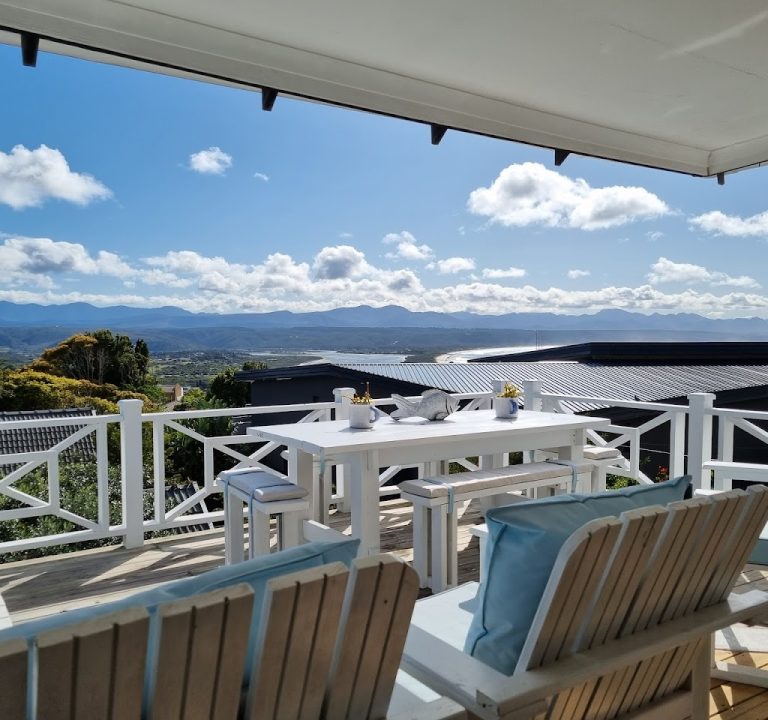
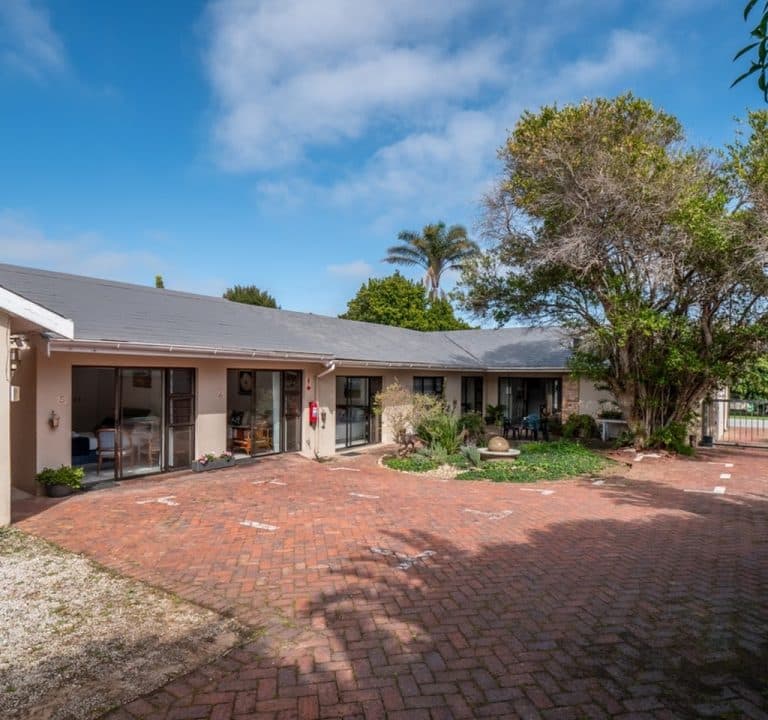
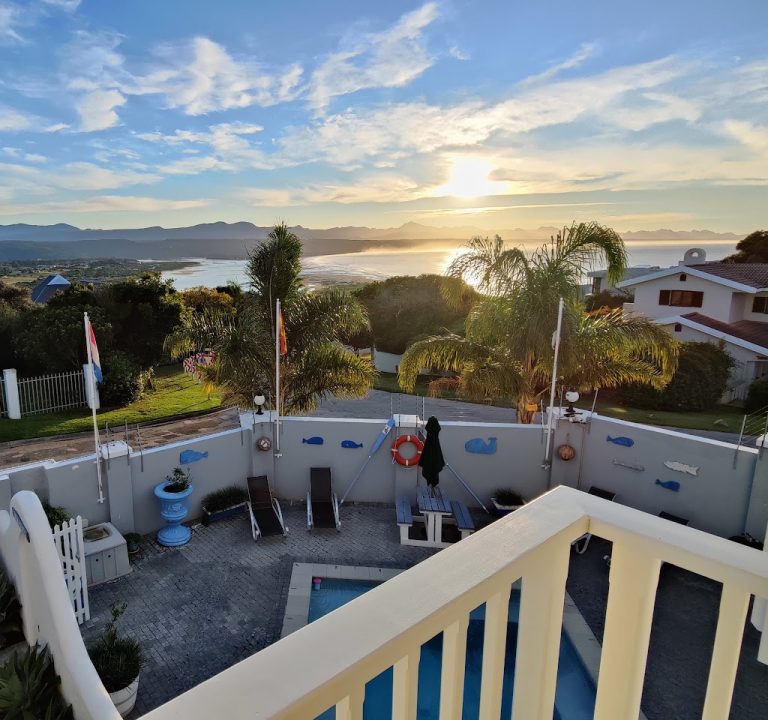
What to look for when booking includes proximity to the beach or easy access to the town’s facilities, clear information on parking arrangements, and whether the property offers self-catering options or full board. For families, check if there are child-friendly spaces, safe garden areas, and flexible meal times. For travellers seeking a romantic break or a quiet retreat, look for rooms with sea views, privacy, and thoughtful touches in the décor. If accessibility is important, confirm that there are ground-floor rooms or lifts, and that paths are navigable for any mobility requirements.
Typical amenities at Plettenberg Bay stays range from en-suite bathrooms and air conditioning to on-site pools, comfortable lounges and well-equipped kitchens or kitchenettes. Many guest houses and boutique hotels offer personalised service, with hosts or managers who can point you to local dining spots, hidden beaches and day trips. Sustainable and nature-conscious choices are increasingly common here, with options that emphasise low-energy lighting, water conservation and local sourcing where possible. If access to reliable Wi-Fi or remote workspace is important, be sure to check connection details in advance, particularly if you are travelling with colleagues or planning longer stays.
Transport locally is straightforward, with car hire being the most convenient way to explore the region. If you prefer not to drive, look for properties within easy reach of taxis or ride-hailing services, and inquire about nearby bus routes or organised tours. Parking policies vary by property, with some offering private spaces and others shared on-street arrangements. When planning day trips, expect longer driving times between outlying attractions and the town centre, so it’s wise to allocate travel time accordingly and to factor in potential seasonal traffic along the Garden Route.
The best time to visit Plettenberg Bay depends on your priorities. The Austral spring and autumn shoulder seasons tend to bring milder weather and quieter streets, which can be ideal for beach days and outdoor activities without the peak-season crowds. Summer is warm and lively, with more daylight for long coastal walks and swimming, while winter offers cooler days and the chance to glimpse resident wildlife along the coastal paths and hinterland. Pack a versatile wardrobe: sun protection for daytime, a light waterproof layer for breezier evenings, and comfortable footwear for walking along rocky shores or forest trails.
Attractions and activities in and around Plettenberg Bay are well-suited to a range of interests. Expect pristine beaches with patrolled zones during peak seasons, scenic viewpoints along the coast, and accessible nature reserves that reward visitors with panoramic vistas and wildlife-spotting opportunities. For outdoor enthusiasts, guided walks, kayaking or boat excursions may be available, alongside opportunities for snorkelling or calm-water swimming at sheltered beaches. Cultural and culinary options often revolve around community cafés, chic eateries and eateries showcasing local produce, with menus that emphasise fresh ingredients. With a choice of day trips to nearby towns, forests, and viewpoints, there’s plenty to fill a well-planned itinerary without needing to rush.
Practical tips for a smooth stay:
- Check cancellation policies and seasonal peak rates in advance to secure the best value and flexibility.
- Ask hosts or reception staff for their recommended walking routes, beaches that allow dogs (if applicable), and safe viewpoints for sunrise or sunset.
- Confirm whether beach towels, sun loungers or beach gear are provided and whether there are laundry facilities on site.
- Plan meals with some flexibility: while many stays offer breakfast or self-catering options, exploring local cafés and eateries can be a highlight of your visit.
- Respect local environmental guidelines when exploring nature reserves and coastal paths, and carry water and sun protection for day trips.
For those seeking a hands-on, visitor-friendly experience, Plettenberg Bay also offers a variety of guided experiences that focus on wildlife, landscape and local culture. A stay that blends comfortable accommodation with approachable activities can help you make the most of your time along the Garden Route. While the exact venues and routes may vary, planning ahead and staying flexible will help you enjoy a balanced, restful and adventurous break in this coastal part of the Western Cape.