Plettenberg Bay: Where to Stay and What to Do for a Perfect Coastal Escape
Plan a stay in Plettenberg Bay to enjoy golden beaches, dramatic coastline and easy access to natural reserves. The town offers a range of accommodation from intimate bed and breakfasts and self‑catering stays to boutique guesthouses and family-friendly lodges. When selecting a base, think about which area suits your pace—whether you want the convenience of town centre amenities, a quieter hinterland setting, or a front‑row seat to the coastline.
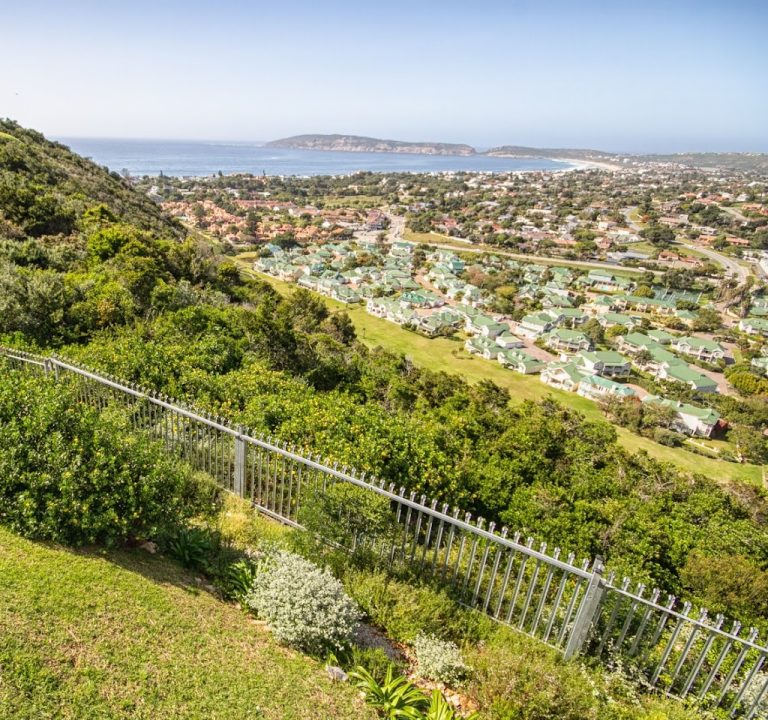
Areas to consider include the central town area, which is closest to shops, cafes and the long sandy beach, making it ideal for walkers and first‑timers. The Robberg Peninsula area offers dramatic scenery, cliff walks and nature trails with a more secluded, village‑like feel. For families or groups seeking easy access to nature and outdoor activities, a stay closer to the coastline or near the Robberg Nature Reserve provides convenient access to trails, seal sightings and scenic viewpoints. If you prefer a more tranquil escape, look for properties tucked away in residential streets a short drive from the beach—these can offer personalised service and a peaceful ambience after a day on the coast.
When browsing accommodation, look for typical amenities that support a comfortable stay. A well‑equipped kitchen or kitchenette is useful for self‑catering properties, while garden or pool areas can add a relaxing touch to a South African coastal stay. Free Wi‑Fi is often important for planning days out, and on‑site parking helps if you plan to rent a car. Guesthouse and lodge options may provide cooked breakfasts or light meals, which can simplify mornings before excursions. If you’re visiting in peak season, confirm availability for popular time windows and consider flexible cancellation policies in case plans shift with the weather or wildlife sightings.
Transport is straightforward for most visitors. The nearest major international gateway is often a short flight to a regional airport, followed by a scenic drive along the Garden Route. A rental car is usually the most convenient way to get around, offering the freedom to explore nearby towns, beaches and reserve trails at your own pace. If you prefer not to drive, some properties arrange airport transfers or can recommend reputable local taxi services. Within Plettenberg Bay, roads are generally well maintained, but plan extra time for busy weekends or changing weather conditions on the coast.
Best time to visit Plettenberg Bay depends on what you want from your trip. The summer months (roughly November to February) are bright and warm, excellent for beach days and water activities. Winter (June to August) brings cooler air and the possibility of whale and marine life watching, often with quieter streets and more reasonable rates in some stays. Spring and autumn shoulder seasons can offer a balanced mix of pleasant weather and fewer crowds, ideal for hiking and outdoor exploring along the coast.
Accommodation types you might encounter include:
- Bed and breakfasts and guesthouses that blend hospitality with comfortable rooms and breakfast options.
- Self‑catering stays, ideal for longer visits or travellers who prefer cooking their own meals.
- Boutique lodges and small hotels that often feature curated interiors and personalised service.
- Family‑friendly villas or apartments with multiple bedrooms and outdoor spaces.
Nearby attractions and activities broadly fall into natural beauty, wildlife and family‑oriented diversions. Beach and coastal walks along the bay are a constant draw, with opportunities for swimming, paddleboarding and surfing depending on conditions. The Robberg Nature Reserve offers scenic coastal trails, seal watching, and panoramic viewpoints. Seaside towns and winelands within a short drive provide a balanced day out, whether you prefer a gentle stroll through harbourfronts or a scenic drive to sample local produce. For a relaxed evening, there are various dining options offering fresh seafood, regional produce and international flavours in settings that range from waterfront terraces to intimate, cosy eateries.
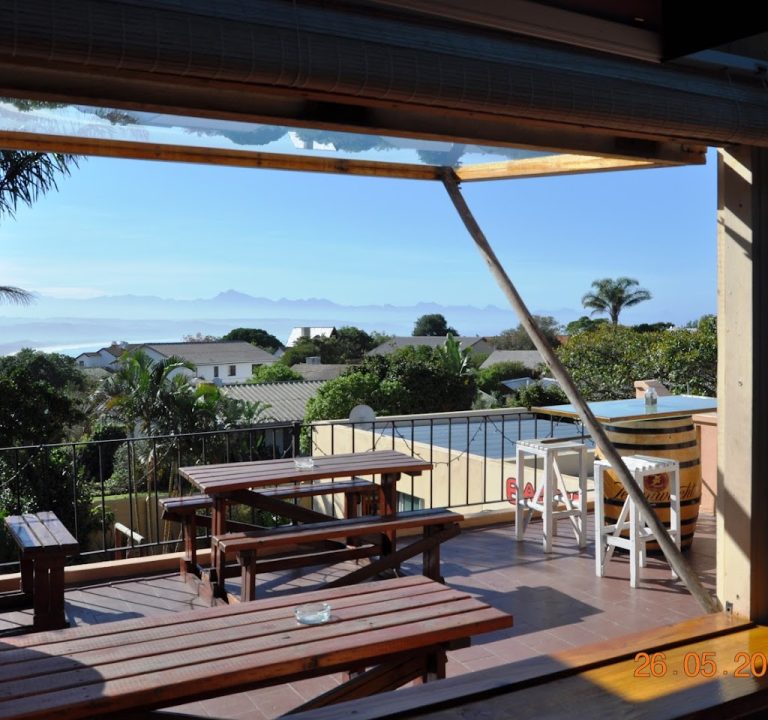
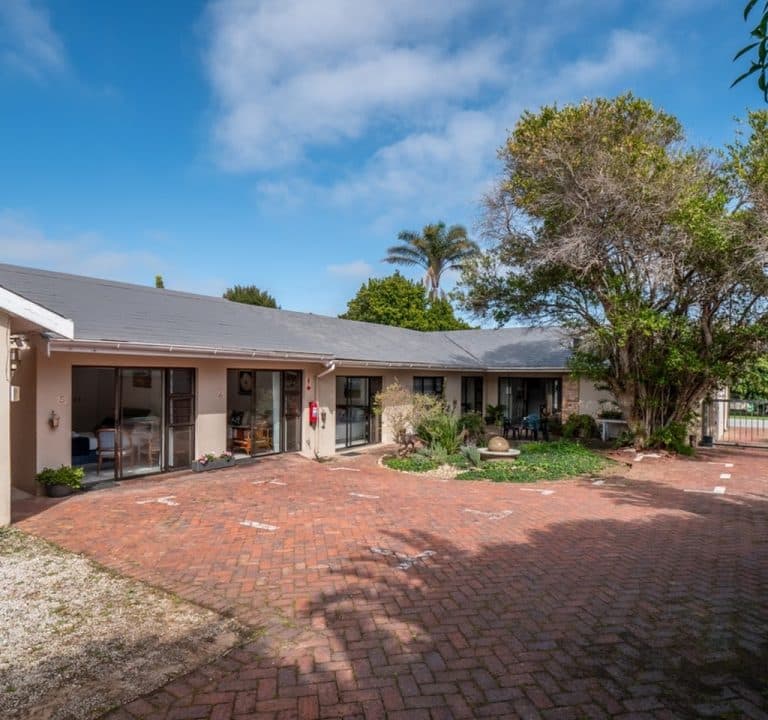
One example of the kind of stay you might encounter is Ohannas BnB & Self Catering, which typifies the approachable, home‑from‑home feel many visitors seek in Plettenberg Bay. When selecting a place to stay, check what’s included in the rate, whether a breakfast provision is offered, and if there are any seasonal activity packages or guided experiences available through the property or nearby partners. Reading recent guest reviews can also help you gauge consistency in service, cleanliness and value for money.
Practical tips to help you plan your trip:
- Book early for peak seasons and school holidays to secure your preferred area and room type.
- Confirm parking arrangements and access times if you’re arriving late in the day.
- Consider a short stay in two different areas to experience both beachside and inland surroundings.
- Pack sun protection, light layers for cooler evenings, and comfortable footwear for walks and boardwalks.
- Check cancellation policies and whether the property can accommodate special dietary needs or mobility considerations.
For planning ideas, you can browse regional tourism pages and the websites of individual stays for availability, local tips, and suggested day itineraries. Plettenberg Bay rewards curious travellers with a relaxed coastal lifestyle, stunning scenery and a variety of experiences suitable for couples, families and groups alike. Whether you’re seeking a quiet hideaway or a base for adventure, there are accommodations and activities in Plettenberg Bay to fit your plans and your budget.