Experiencing Plettenberg Bay: where comfortable stays meet superb coastal experiences
Plettenberg Bay, on South Africa’s scenic Garden Route, offers a rich mix of sandy beaches, dramatic coastal scenery and friendly, accessible accommodation. Whether you favour a boutique bed and breakfast, a family‑run guesthouse, or a modern self‑catering lodge, you’ll find places that prioritise comfort, location and genuine hospitality. The town’s compact size makes it easy to explore on foot or with short drives, while its surrounding scenery invites day trips to nature reserves, vineyards and charming coastal towns.
When planning a stay, start by considering the areas that suit your plans. The bay’s central waterfront and town centre are convenient for beach mornings, casual strolls, cafés and shops. If you want front‑line sea views and a shorter walk to the sand, look for properties along Dolphin Circle, Longships Drive or the main esplanade. For a quieter ambience and easy access to longer hikes or nature reserves, you might opt for accommodation a short drive away in the Robberg peninsula area or tucked into the hills above town. Proximity to the beach is convenient, but some guests appreciate a short drive to more secluded coves or to the parklands that form part of the Plettenberg Bay hinterland.
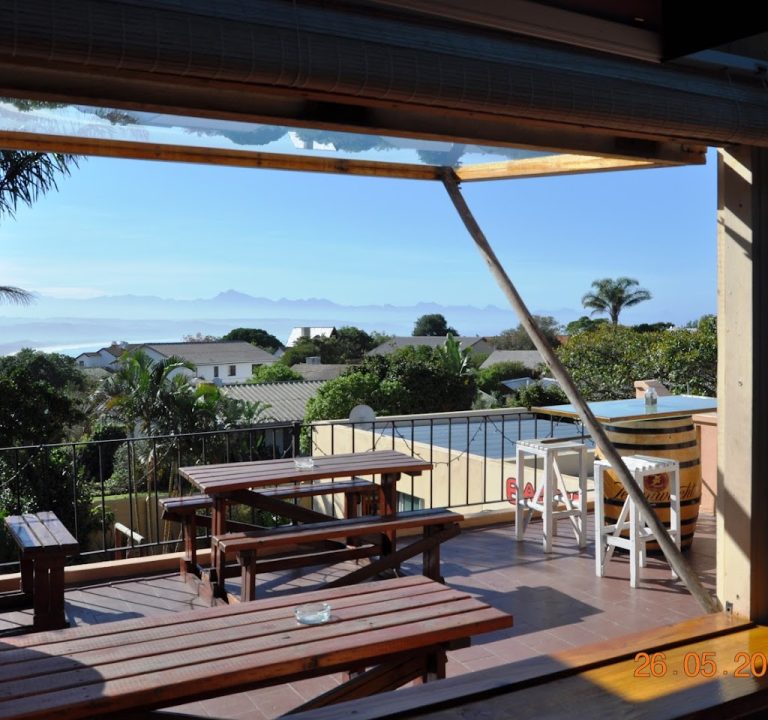
Typical amenities you’ll encounter include complimentary breakfast or a full bed and breakfast package, free Wi‑Fi, private or en‑suite bathrooms, on‑site parking, and outdoor spaces such as verandas, patios or small gardens. In many guesthouses and lodges, you’ll find pools with a sea view, guest lounges, and well‑equipped kitchen corners in self‑catering options. Given Plettenberg Bay’s climate, outdoor seating and dining areas are especially appealing, letting you enjoy morning sun or sunset views with a casual meal or a sundowner in the fresh sea air.
Transport is straightforward for most visitors. If you’re flying into the region, neighbouring airports and road connections mean a rental car is convenient for exploring nearby beaches, reserves and towns. Within town, many places are walkable from central lodgings, with local taxis or rideshares available for longer hops or evening outings. If you’re staying outside the core town area, check whether your host can assist with shuttle arrangements or provide preferred parking details for easy access to beaches and viewpoints.
Best time to visit Plettenberg Bay depends on your priorities. The summer months (roughly November to March) bring warm days, ideal for swimming and sea activities, while late spring and autumn offer milder temperatures and quieter beaches. Whale watching is a highlight during the winter months along the coast, and the surrounding forests and nature reserves bloom with birdlife in spring. If you enjoy outdoor activities such as hiking, kayaking or mountain biking, spring and autumn typically offer comfortable conditions. Always check the local tide and wind conditions when planning water‑based activities, and be prepared for a sometimes changeable coastal climate.
Booking smart can help you get the most from your stay. Look for hosts who provide clear information about access, self‑catering facilities and guest areas. Read reviews that mention cleanliness, responsiveness and the accuracy of property descriptions. If you’re travelling as a family or with friends, inquire about family‑suitable rooms, extra beds, or interconnecting options. For couples seeking a romantic break, request quiet corners with privacy and, if possible, a sea view. Consider properties that offer flexibility with breakfast timing, late check‑in, or recommendations for day trips and dining in the area.
Beyond accommodation, Plettenberg Bay offers easy access to a variety of attractions and experiences in general terms. Golden sand beaches and safe swimming coves are the backbone of a beach‑centric break, while coastal walks along headlands and viewpoints reveal sweeping ocean panoramas. For nature lovers, nature reserves and scenic trails provide opportunities to observe wildlife, coastal birds and endemic flora. In town, you’ll find a selection of family‑friendly eateries, casual cafés and refined dining establishments offering seasonal fare and fresh seafood, often with views over the bay or the surrounding hills. Local markets and craft shops give you a sense of ongoing community life and regional crafts worth exploring during a stroll along the seafront.
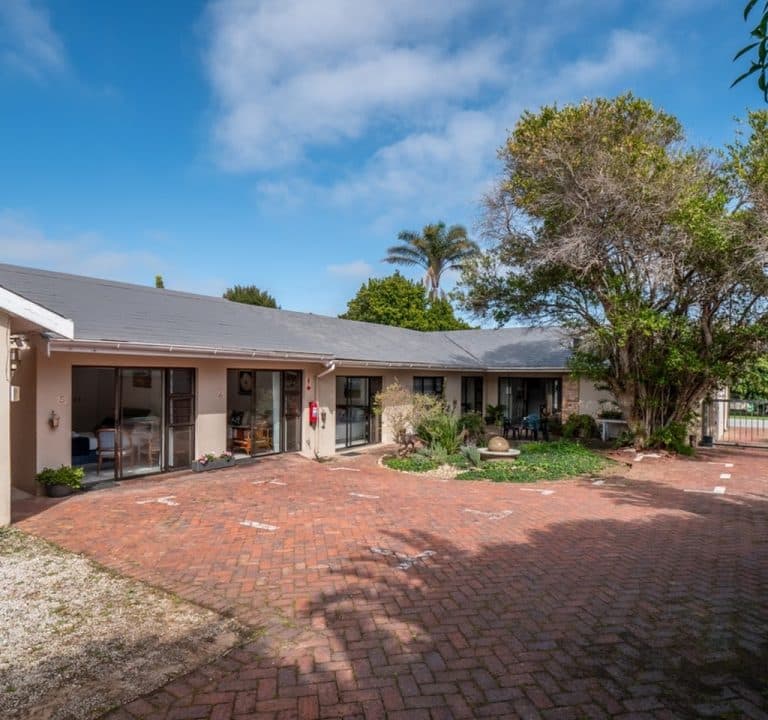
Examples of accommodation that align with a visitor‑friendly approach include welcoming bed and breakfast properties that provide a personal touch, often with hosts who can offer tailored recommendations for day trips and dining. An example of such an option is Dolphin Circle Bed and Breakfast, a local choice that emphasises comfort and hospitality. You can find more information through their page at the venue’s Facebook presence: Dolphin Circle Bed and Breakfast.
- Plan a flexible itinerary that balances beach days with nature outings to avoid peak crowds.
- Book accommodation with clear information on amenities, parking and access to your preferred areas.
- Check what transport arrangements are convenient for you, and whether the property offers guidance on local routes and parking.
Practical tips for a smooth stay: pack a light jacket for breezy evenings, bring reef‑safe sunscreen for coastal days, and carry a reusable water bottle for hikes and beach visits. If you’re driving, confirm parking arrangements and whether your accommodation provides parking permits for on‑street spaces. Finally, keep a flexible mindset—the Plettenberg Bay area shines when you take time to explore multiple beaches, scenic trails and eateries, then return to a comfortable base that feels like a home away from home.