Staying in Soweto: Accommodation, Attractions and Practical Tips for a Memorable Visit
Soweto, a vibrant gateway to South Africa’s history and contemporary culture, offers a range of accommodation options for travellers seeking flavour, comfort and convenience. From modest motels and guesthouses to boutique stays and budget-friendly lodges, the area is designed to welcome visitors with warmth and character. When planning a stay, consider staying in central districts such as Dobsonville, Diepkloof, Orlando and surrounding neighbourhoods, where many properties are well connected to main roads and public transport, yet still provide a sense of the community you came to experience.
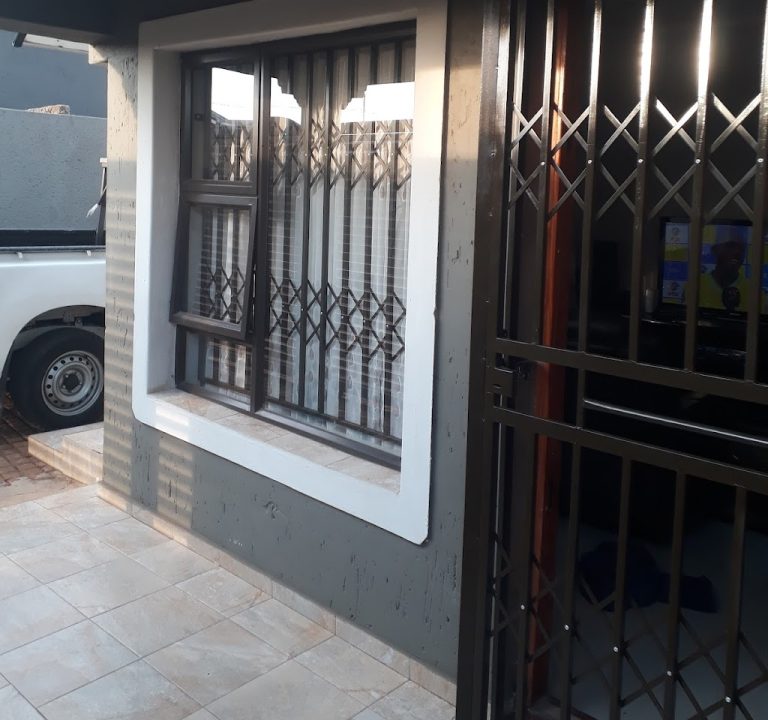
What to look for when booking a stay in Soweto can make all the difference to your visit. Look for options that clearly describe access to safe, well-lit entrances, secure parking if you’re driving, and rooms that are comfortable for your party size. A reliable reputable property will usually offer clean, well-maintained spaces, clear information about check-in procedures, and a written note of local guidance. For a practical base, you might prioritise proximity to transport links, such as bus routes or ride-hailing pick-up points, and easy access to nearby attractions and eateries.
Typical amenities to expect include free Wi-Fi, secure parking, 24-hour reception or on-site help, and options for breakfast or light meals. Some places may offer kitchen facilities, laundry services, or organised tours – all features that can simplify a longer stay. If you’re planning to travel independently, it’s worth checking how the accommodation handles early check-ins or late arrivals, and whether there are quiet zones or shared spaces that match your needs.
Transport around Soweto is straightforward, though planning ahead saves time. The best approach is to rely on a mix of local taxis, rideshare services and, where available, organised tours that include transport. If you’re staying near a major road or a bus corridor, you’ll find frequent services connecting to key parts of the district as well as to central Johannesburg. For visitors exploring on a tight schedule, pre-arranged transfers or a day tour can help maximise your time and reduce waiting periods, especially when visiting more spread-out sites.
Best time to visit Soweto depends on your priorities. The southern African climate brings warm summers and mild winters. If you prefer drier weather for outdoor activities and walking tours, the dry season (autumn to early winter) can be pleasant. For those interested in cultural events or community experiences, you may find seasonal programming more abundant during school holidays or weekends. Regardless of the season, mornings tend to be cooler and evenings can be lively, so packing a light jacket and comfortable footwear is wise.
In planning an itinerary, consider how to balance history, culture and contemporary Soweto. The township is known for its role in South Africa’s story, and many visitors enjoy guided tours that offer context and storytelling in respectful settings. You’ll likely encounter visitor-oriented experiences that cover topics such as community heritage, local markets, street art, and traditional cuisine. When selecting experiences, choose operators who emphasise responsible tourism, fair pricing, and engagement with local residents. It’s perfectly acceptable to ask questions about how tours support community initiatives or small businesses in the area.
Where you stay can influence how you spend your days. A quiet, well-run guesthouse or motel can serve as a reliable base for day trips to nearby attractions and for evenings in safer, welcoming neighbourhoods with accessible dining options. For those seeking a more immersive stay, consider properties that celebrate local culture—some offer glimpses into daily life through informal gatherings, conversation spaces, or on-site recommendations for community eateries and markets.
When it comes to dining and entertainment, Soweto’s culinary scene is diverse and approachable. Expect casual eateries and family-run establishments that focus on hearty, affordable meals, often reflecting regional flavours. Many visitors enjoy sampling traditional dishes, street food-inspired snacks, and modern twists on classic flavours. Rather than focusing on a single restaurant or venue, look for places that are well-reviewed by travellers and locals alike, and that create a relaxed, convivial atmosphere. For evenings, you’ll find venues that offer live music, discussion-based events, or small performances—great for soaking up the neighbourhood’s energy after a day of sightseeing.
Practical tips to help you enjoy Soweto with ease:
- Pack modest clothing for casual, respectful visits to local communities and places of worship.
- Bring a light, portable lock for shared spaces and keep valuables secure.
- Carry small change in local currency for markets, tips, and small purchases.
- Check the latest local guidance on safety, traffic, and public transport before heading out for the day.
- Allow time for unexpected discoveries—Soweto reveals new facets in every corner, from street art to lively markets.
If you’re considering a specific place to stay, such as a motel or guesthouse in a well-served area, it can be worthwhile to review recent guest feedback for details on cleanliness, service, and whether the property meets your needs for privacy and convenience. A well-chosen base in Soweto provides not only comfort but also a doorway into a neighbourhood rich with history, culture and warmth.
For more information, you can explore official tourism pages or reputable travel guides that offer current suggestions on accommodation categories, transport options and suggested itineraries. Remember to plan with flexibility—Soweto’s charm often lies in the spontaneous conversations, friendly faces and the little discoveries made along the way. A balanced, well-researched stay will help you make the most of your time in this dynamic part of Gauteng.