Staying in Soweto: accommodation, planning and top experiences in Gauteng
Soweto, a sprawling and historically rich township on the southwestern edge of Johannesburg, offers a warm welcome for travellers seeking authentic South African experiences without compromising comfort. The range of accommodation spans intimate B&Bs and guesthouses housed in traditional homes, to contemporary lodges with modern amenities. When planning a stay, consider how you want to mix restful downtime with immersive experiences, and choose a neighbourhood that matches your interests and mobility needs.
Areas to consider include central hubs near Vilakazi Street in Orlando West, where the cadence of daily life and historical sites linger close to hand. Other popular bases include Pimville and Diepkloof, which often provide a calmer residential atmosphere while still offering easy access to the township’s highlights. If you prefer a quieter setting, look for self‑catering lodges or guesthouses on tree-lined streets a short drive from the main corridors. When researching, check how far your lodging is from your planned activities and whether it provides safe, easy transport options in the evenings.
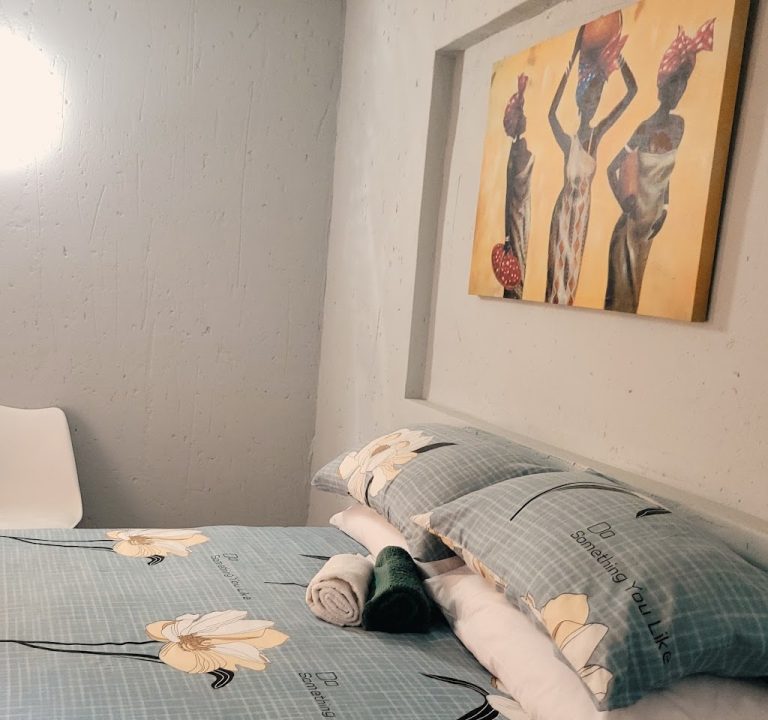
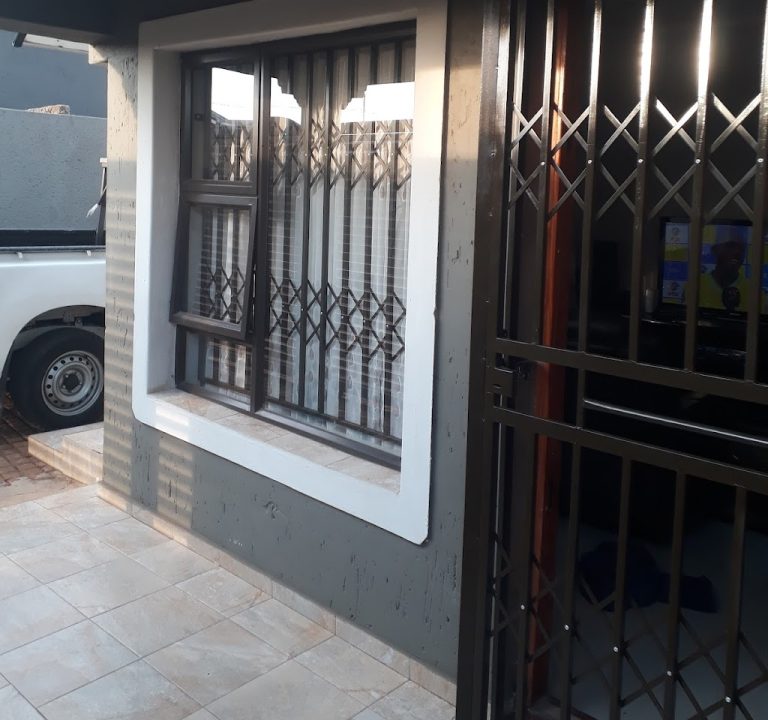
Typical amenities to look for include secure parking, 24‑hour reception or a host available for local guidance, free Wi‑Fi, and breakfast options. Some properties offer communal kitchens for self‑catering, which can be convenient after day trips. A private ensuite can make a big difference for comfort, while air conditioning or fans help in warmer months. If you’re travelling with family or a group, request family rooms or suites and inquire about flexible dining arrangements or shared spaces where you can unwind together after exploring the neighbourhood.
Planning transport is essential in Soweto. A combination of reputable organised tours, rideshare apps, and taxi services often works best. Many stays can arrange trusted drivers or guided township experiences that are respectful and well managed. If you prefer self‑guided exploration, rent a car or rely on rideshare services for longer day trips to nearby attractions in Johannesburg, bearing in mind traffic and peak-hour conditions. Some areas are best explored during daylight, so it’s wise to schedule visits accordingly and to coordinate with your accommodation host for safe routes back in the evenings.
The best time to visit Soweto depends on your priorities. The dry winter months bring clearer skies and comfortable daytime temperatures, making outdoor heritage walks and urban village strolls pleasant. However, spring and summer bring lush greenery and lively street markets and events. Pack adaptable layers for varying weather, and plan outdoor activities for the cooler parts of the day. If you are interested in cultural programming, keep an eye on local markets, music, and storytelling evenings that showcase South African hospitality and history.
Accommodation in Soweto often positions guests close to a tapestry of experiences that celebrate history, music, and community life. You can expect accessible guesthouses and B&Bs that host friendly, knowledgeable staff who are keen to share practical tips about local transport, safe routes, and affordable dining. Some properties offer curated experiences, such as community‑led heritage walks, visits to local markets, or evenings with traditional cuisine prepared by guesthouse hosts or nearby cooks. While pricing and inclusions vary, most places prioritise a comfortable rest after a day of discovery, with secure parking and options for breakfast or light meals on site.
When it comes to attractions and experiences, Soweto offers a broad canvas. History and heritage sites provide thoughtful context for South Africa’s past, while the township’s vibrant street life and open-air art spaces offer a colourful, photogenic backdrop. Expect guided or self‑guided routes that cover former protest sites, museums with interpretive exhibits, and public sculptures. For diners, the area hosts friendly, down‑to‑earth eateries and spots where you can sample hearty, home‑style meals and regional flavours. Rather than fixed, grandiose claims, you’ll find a steady rhythm of cultural programming, live music nights, and casual dining that reflects the community’s warmth and resilience.
To help you build a balanced itinerary, consider mixing a couple of longer heritage days with lighter afternoons spent in scenic parks or markets. If you enjoy a heartbeat of local life, set aside time for a guided township walk or a cooking demonstration with a host able to explain ingredients and techniques in plain English or your preferred language. Always maintain a respectful stance towards communities and property, follow guidance from your hosts, and use established routes and licensed operators where possible.
Practical tips for a smooth stay in Soweto:
- Choose accommodation with verified safety measures and clear guidance on local transport after dark.
- Ask your host about recommended safe routes and the best times to visit key sites.
- Book flexible itineraries to accommodate weather, events, or changes in opening times for attractions.
- Pack a light daypack with water, sunscreen, and a basic map or offline navigation; many areas are lively but require careful personal awareness.
- Respect local customs and dress modestly when visiting community spaces or markets.
In summary, Soweto offers a welcoming blend of comfortable lodgings and engaging, people‑centred experiences. By selecting a well‑situated base, planning with transport in mind, and pairing heritage explorations with relaxed downtime, you can enjoy a meaningful stay that balances comfort and discovery. For further inspiration, visit local tourism portals or your chosen accommodation’s website to view nearby attractions, dining suggestions, and practical guidance tailored to your dates and interests.