Soweto: where to stay, what to do, and how to plan a memorable visit
Soweto, a vibrant and historic township on the doorstep of Johannesburg, offers a range of accommodation styles from intimate guest houses to comfortable B&Bs and small hotels. When planning a stay, think about what matters most to you: authentic cultural experiences, convenient access to sights, or a more leisurely retreat with quiet streets and local flavour. Whether you want to be in a lively neighbourhood with easy dining options or a slightly quieter pocket that still puts you within easy reach of major attractions, Soweto has choices to suit different budgets and itineraries.
Areas to consider include central Soweto hubs where you can find guest houses and boutique stays with character. The Orlando and Vilakazi Street corridors are popular for those seeking proximity to museums, markets, and guided township tours. If you prefer a more residential feel, neighbourhoods a short taxi ride away from the city centre can offer calmer avenues while still keeping you close to key sights. When choosing where to stay, note the transport links you’ll rely on and whether your accommodation offers parking, airport transfers, or advice on trusted local transport options.
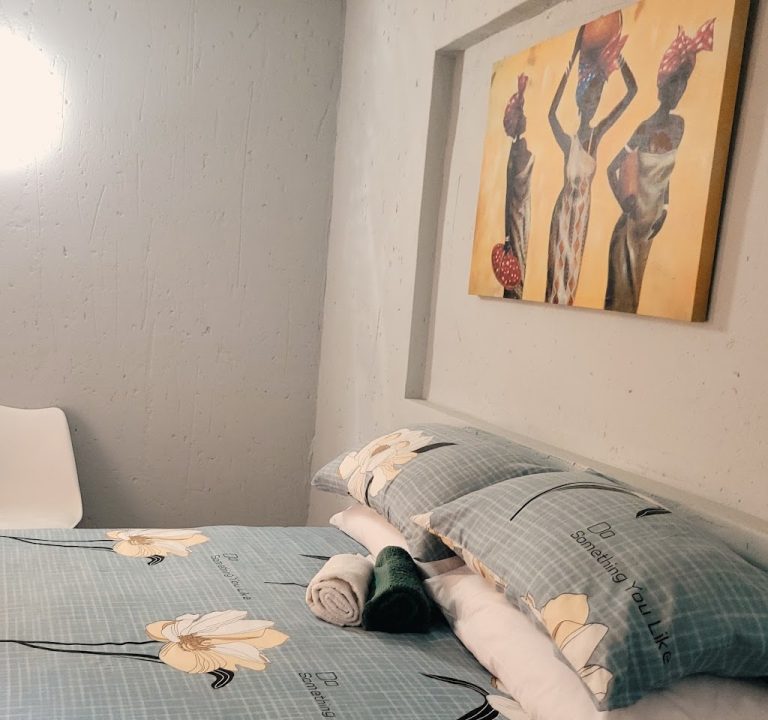
Typical amenities at a guest house or small hotel in Soweto range from comfortable en-suite rooms and daily housekeeping to free Wi‑Fi, secure parking, and a shared lounge or garden space. Many properties offer breakfast options, sometimes featuring traditional South African dishes, and some can arrange guided tours or recommendations for local eateries. If you’re organising a longer stay, ask about self-catering facilities or kitchen access, as this can be convenient for families or groups.
Transport is a practical consideration. Within Soweto, you’ll typically rely on a mix of licensed taxis, rideshare services, and minibus taxis for short hops. Some accommodation providers offer shuttle services or can arrange tour transport. If you plan to explore beyond Soweto, check whether your stay is well-connected to major roads and public transport links to Johannesburg’s central business district or OR Tambo International Airport. A well-planned day can combine a township heritage excursion with a visit to markets, art workshops, and chance encounters with local craftspeople.
Best time to visit Soweto aligns with South Africa’s temperate climate. Spring (September to November) and autumn (March to May) offer pleasant weather for walking tours and outdoor markets. Summers can be warmer with afternoon thundershowers, while winter (June to August) tends to be cool and dry. If you’re aiming to catch specific events or markets, plan ahead around the local calendar and book accommodation early for peak periods.
When booking, consider a few practical tips to make the most of your stay. First, read recent guest reviews focused on safety, neighbourhood atmosphere, and transport access rather than just price. Second, clarify what experiences your host can arrange—many properties collaborate with local guides for authentic township tours, cultural demonstrations, or community visits. Third, confirm breakfast arrangements and any on-site amenities that will help you settle in, such as a community lounge, laundry facilities, or outdoor seating. Finally, be respectful of local customs and dress modestly when visiting community spaces, and be mindful of photography guidelines in sensitive areas.
In addition to accommodation, Soweto’s attractions and public spaces offer low-key, enriching ways to spend your time. You can expect to encounter museums and heritage sites that trace Soweto’s pivotal role in South Africa’s history, often complemented by guided talks and exhibitions. Community markets and craft stalls provide opportunities to purchase handmade artworks and locally produced foods. For a flavoursome meal without needing to travel far, look for family-run eateries or informal cafés that showcase regional dishes, while keeping an eye out for places that highlight fresh, seasonal ingredients and traditional cooking methods.
Evenings in Soweto can be relaxed, with options ranging from casual eateries to more formal dining rooms that emphasise warm hospitality and homely atmospheres. If you’re keen on exploring beyond eating, consider a short outing to a street market or a cultural performance that may be scheduled on weekends. When planning day trips, a typical itinerary might combine a heritage tour with a stroll through a local market or a stop at a crafts centre to observe artists at work and perhaps purchase a keepsake to remind you of your stay.
- Choose a base with good transport links to your planned activities
- Ask about guided township tours and any community-run experiences
- Check for breakfast options and welcome amenities that suit your schedule
- Look for flexible cancellation policies in case plans change
One notable option for a stay that embodies Soweto’s hospitality is a guest house such as Lesedi Guest House, which can offer a home-from-home feel and a central location within the township. If you’re researching other local stays, compare guest reviews, confirm what is included in the rate, and contact properties directly for tailored recommendations about sightseeing and shopping opportunities. With thoughtful planning, your Soweto visit can be comfortable, insightful, and vividly memorable, balancing restful downtime with engaging cultural experiences.