Staying in Soweto: accommodation, attractions and practical tips for visitors
Soweto, a vibrant and historically rich part of Gauteng, offers a range of accommodation options that suit different budgets and styles. From intimate bed and breakfast establishments to guesthouses and boutique lodges, travellers can find stays that feel authentically local while providing the comfort and convenience needed for a relaxed visit. When planning a stay, consider both the atmosphere you want and how you plan to get around to make the most of your time in the area.
Areas to consider include the central townships hub that forms the historical heart of Soweto, where many guesthouses offer easy access to guided tours and cultural experiences. Other popular bases include neighbourhoods that blend residential calm with convenient transport links to central Johannesburg and the wider region. When choosing a base, think about proximity to markets, restaurants and transport options, as well as the character of the property itself. A well-run B&B or guesthouse can provide a welcome breakfast, helpful local tips, and a sense of community that enhances any stay.
What to look for when booking includes the basics: clean, comfortable rooms with private or ensuite bathrooms, reliable hot water, and adequate security. Check for climate control or fans in hot months, and ensure Wi-Fi is available if you need to stay connected. Many Soweto properties emphasise a warm, personalised service, so reading recent guest reviews can give you a feel for the hospitality culture. Consider whether the accommodation offers communal spaces, such as a lounge or courtyard, where you can meet other travellers and plan day trips with the host’s advice. If you plan on meals in, look for options that provide breakfast or light evening meals, or easy access to local eateries nearby.
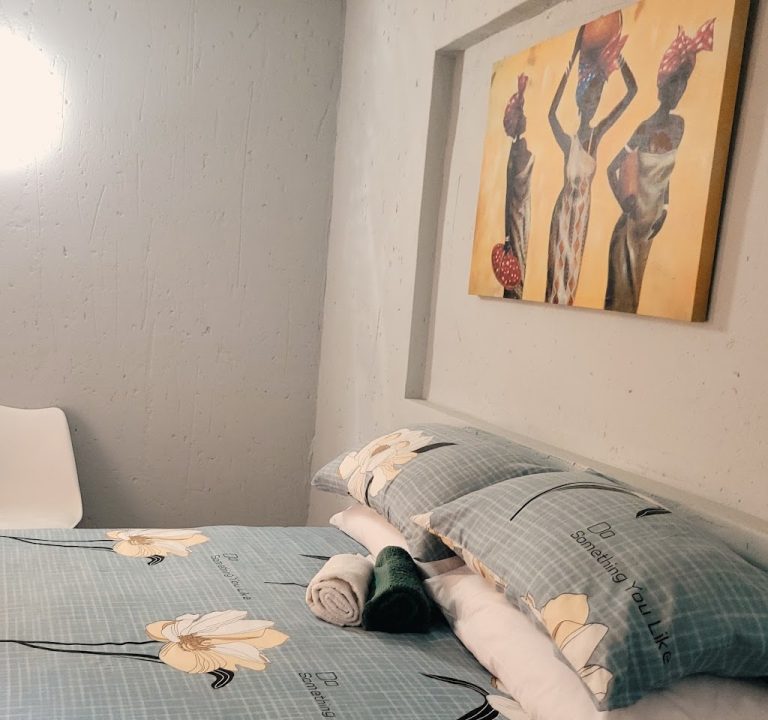
Typical amenities you may encounter include secure parking or on-site parking, comfortable beds with quality linens, a well-equipped kitchen for self-catering aspects, and curated guest information such as maps, suggested walking routes, and public transport tips. Some properties may also arrange guided tours, cultural experiences, or transfers, which can be especially helpful for first‑time visitors seeking authenticity and ease. Depending on the property, you might find features like a garden, a veranda, or cosy corners for socialising after a day of exploring Soweto.
Transport is a key consideration. Soweto is well connected by road to Johannesburg, and many sights are best reached via a combination of taxi, rideshare, or organised tours. If you are staying in a guesthouse or B&B, ask about recommended local transport options, as hosts can often arrange reliable transfers or advise on safe routes. For independent travellers, familiarising yourself with public transport routes and taxi etiquette can save time and avoid hassles. Having a rough plan for each day—where you’ll start, which markets or museums you want to visit, and where you’ll eat—helps maximise your visit and keeps you safe and respected in the area.
The best time to visit Soweto is generally during the mild shoulder seasons, when temperatures are pleasant and rainfall is lower. However, Soweto’s cultural calendar is lively year‑round, with markets, street food, music, and community events that add atmosphere at any time. If you prefer quieter streets and easier access to attractions, consider midweek stays. For those seeking outdoor experiences, plan around pleasant mornings or late afternoons, when light is ideal for photos and walking tours without the heat of peak daytime hours.
Dining and experiences form a key part of any Soweto itinerary. The neighbourhoods offer a mosaic of casual eateries, street food stalls, and family-run restaurants that showcase local flavours and hospitality. Rather than focusing on a single venue, approach dining as a chance to sample different environments—from bustling market-style spots to calmer, family-run restaurants with home-cooked options. Guided food walks or heritage tours can also be a delightful way to combine meals with storytelling, helping you understand the social history and daily life that make Soweto unique.
Here are some practical tips to help you plan your stay effectively:
- Book through reputable accommodation providers and read recent guest feedback to gauge comfort and safety.
- Ask your host for specific advice on day trips, reliable transport, and reputable places to eat.
- Pack comfortable footwear for walking and plan a light, adaptable daily itinerary.
- Respect local customs and safeguards, staying aware of your belongings, particularly in busy markets or crowded areas.
- Allow time for spontaneous experiences—markets, street performances, and friendly conversations often form lasting memories.
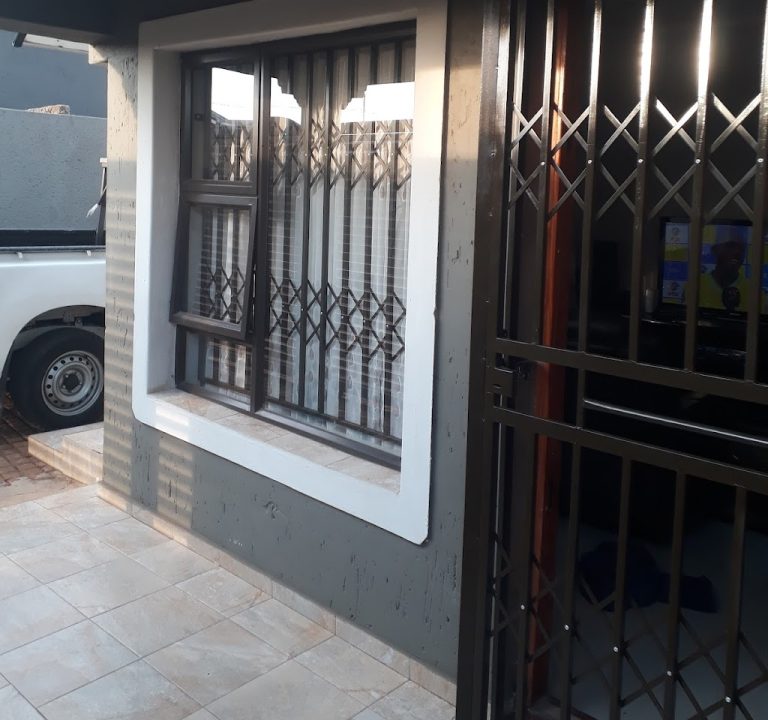
For a sample stay, a well‑located bed and breakfast such as HEC BnB could offer a comfortable base with a focus on hospitality and local insight. While site details may vary, such establishments commonly provide a home-from-home experience, thoughtful touches, and easy access to Soweto’s major sights and cultural hubs. In choosing a stay, balance the charm of a smaller, intimate property with practical needs like access to transport routes and dining options, and you’ll be well placed to enjoy Soweto’s rich history, lively present, and welcoming neighbourhoods.
As you map out your itinerary, remember that Soweto’s appeal lies as much in its people and places as in its landmarks. By selecting a well‑located, comfortable base and engaging with local guides and eateries, you can experience a depth of culture and community that makes a visit truly memorable. Website information for specific properties can be found via their official pages, ensuring you have the latest details on availability, amenities, and services.