Accommodation and Experiences in Soweto, Gauteng: Plan Your Stay in Kwa Ntsele and Beyond
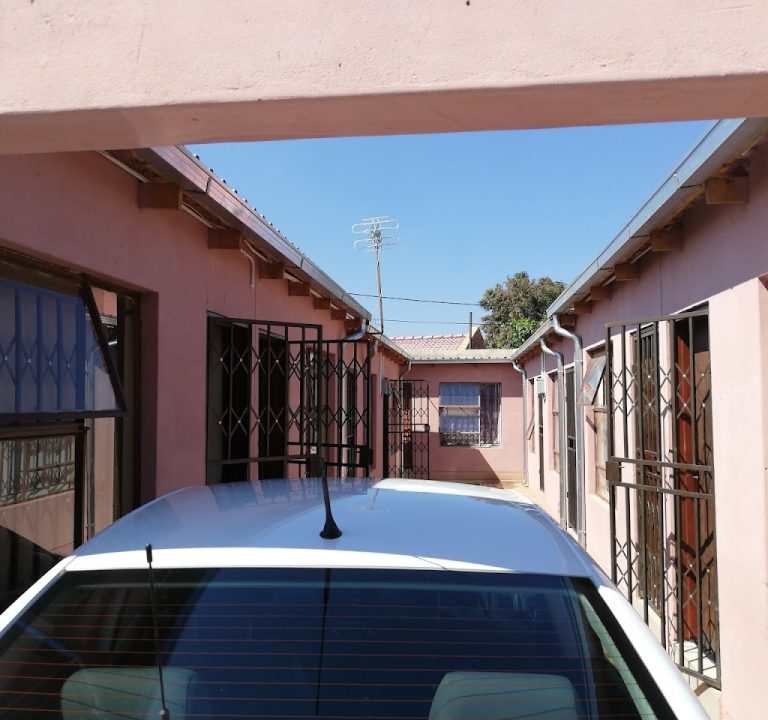
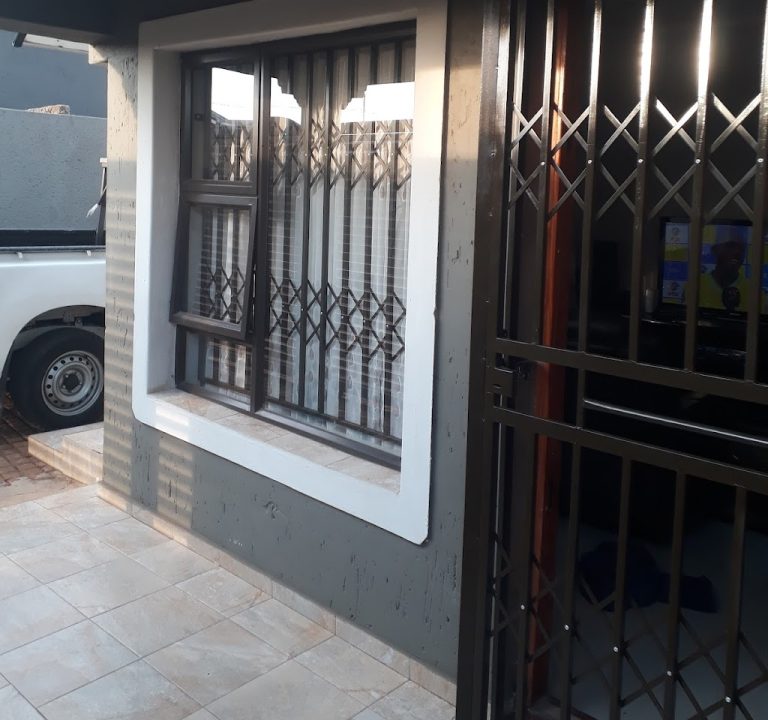
Soweto, a vibrant mosaic of history, culture and modern South African life, offers a range of welcoming places to stay, from intimate homestays in residential streets to family-run guesthouses with traditional warmth. Kwa Ntsele, listed here as a representative example in the area, embodies the character of a homestay that invites visitors to connect with local hosts while enjoying a comfortable and authentic base for exploring the township and its surroundings. When planning a visit, think in terms of texture and rhythm: where you stay, how you move, and the kinds of experiences you wish to gather along the way.
Areas to consider for your Soweto stay include central transport hubs and historic corridors as well as quieter residential pockets that feel more like a neighbourhood than a tourist precinct. The heartland near major road links and rail stations often provides easier access to multiple attractions, while certain residential streets offer a more immersive, peaceful atmosphere with a truly local flavour. Kwa Ntsele-type homestays tend to excel at hospitality that centres on conversation, home-cooked meals, and insider tips about the best routes to explore by day and unwind by night.
Booking considerations are vital to a comfortable visit. Look for places that clearly outline daily housekeeping options, privacy arrangements, and any shared facilities. Ask about the availability of a guest kitchen, en-suite bathrooms, and air conditioning or fans for Soweto’s warm seasons. If you plan to cook some meals, confirm what utensils are provided and whether markets nearby stock fresh produce. Proximity to reliable transport links—whether a taxi service, shuttle, or nearby train or bus stops—can be a major factor in how freely you can plan day trips without heavy delays.
Typical amenities you may encounter include WIFI, sometimes limited in more rural or residential homestays, secure parking or designated on-street parking, safe and comfortable bedding, and flexible check-in arrangements. Hosts often go the extra mile with local remedies to seasonal weather, recommendations for short walks, and curated tips for markets, bakeries, and eateries that offer a sense of place without the fuss of more generic tourist districts. In Soweto, a home-from-home feel is common, with hosts who are keen to share the story of the neighbourhood and help you navigate both well-trodden and offbeat paths.
Transport is a practical consideration. Soweto is well connected by road, and ride-hailing apps are widely used, making short hops between neighbourhood hubs straightforward. If you are staying in Kwa Ntsele or adjacent areas, you may find that strolling to a local corner shop or a nearby taxi stand is perfectly feasible for short errands. For longer day trips, plan your routes in advance and allow extra time during peak traffic hours. Knowing where reliable public transport stops are located will help you balance the desire for an intimate stay with the practicality of getting to key sights, markets, and restaurants.
The best time to visit Soweto reflects a balance between comfortable weather and seasonal events. The city enjoys warm summers with afternoon storms and cooler, pleasant winters. For outdoor experiences and street life, late spring and autumn typically offer comfortable conditions with less intense rainfall. If your visit coincides with local events, you may experience a richer snapshot of Soweto’s culture, music and food traditions, though it can also mean busier streets and higher demand for accommodations. Plan ahead during peak periods and be prepared for popular weekends or holiday gatherings, when a well-placed booking confirms your preferred homestay or guesthouse option.
When exploring attractions and experiences, think in terms of storytelling rather than a checklist. Soweto’s history, from its pivotal role in the struggle for equality to its contemporary creative economy, can be appreciated through museums, community projects, and guided neighbourhood walks. For a more relaxed day, look for areas where you can observe daily life, watch local artisans at work, or enjoy a casual meal at a family-run eatery. Plans that couple respectful, insightful visits with comfortable downtime tend to create the most memorable stays.
Eating out in Soweto offers a spectrum from homestyle cooking to contemporary dining concepts that spotlight local ingredients and flavours. Rather than relying on formal dining ratings, seek places that feel welcoming and authentically local, where hosts or staff can point you to dishes and staples that reflect the day’s market finds. It’s wise to explore a mix of informal eateries and casual family-run venues to experience the warmth and hospitality that makes Soweto distinctive, keeping in mind any dietary preferences or restrictions you may have.
Practical tips for a smooth stay:
- Choose accommodation with a clear code of conduct and a responsive host, especially for late arrivals or special requests.
- Balance your day with flexible plans and a few fixed highlights to avoid fatigue.
- Pack adaptable clothing for variable weather and comfortable footwear for walking tours.
- Respect local culture, seek permission when photographing people, and support neighbourhood businesses where possible.
- Check safety advice and keep valuables secure, using in-room safes or secure storage if available.
Kwa Ntsele and other Soweto stays offer a gateway to a remarkable part of Gauteng, where modern life sits alongside deep heritage. A thoughtfully chosen homestay can provide more than a place to sleep; it can be a guided entry into the rhythms of a community, the warmth of local hospitality, and the practical know-how to navigate a memorable South African journey. For further details and current availability, visit the property’s official webpage or contact hosts through their booking platforms.