Cape Town: Where to stay and what to do for a well-rounded visit
Cape Town sits in a natural amphitheatre of mountains, beaches and harbour. Its accommodation options range from intimate BnBs and boutique guesthouses to stylish hotels and self-catering cottages that make the most of sea and mountain views. When planning a stay, think about what kind of neighbourhood suits your interests, how easy it is to reach the sights you want to see, and what mood you’re after—buzzing city living, scenic tranquillity, or a culinary- and culture-rich base from which to explore the region.
Key areas to consider include:
- Atlantic Seaboard (Sea Point, Bantry Bay, Clifton, Camps Bay) for sea vistas, fashionable dining and easy access to beaches.
- City Bowl and the V&A Waterfront for nightlife, museums, and a walkable urban scene close to transport links.
- Green Point and De Waterkant for a lively atmosphere with a mix of eateries, bars and leafy parks.
- Constantia and the Southern Suburbs for wine routes, larger hotels and peaceful residential streets.
- Near Table Mountain and the cableway for quick access to hiking and panoramic views.
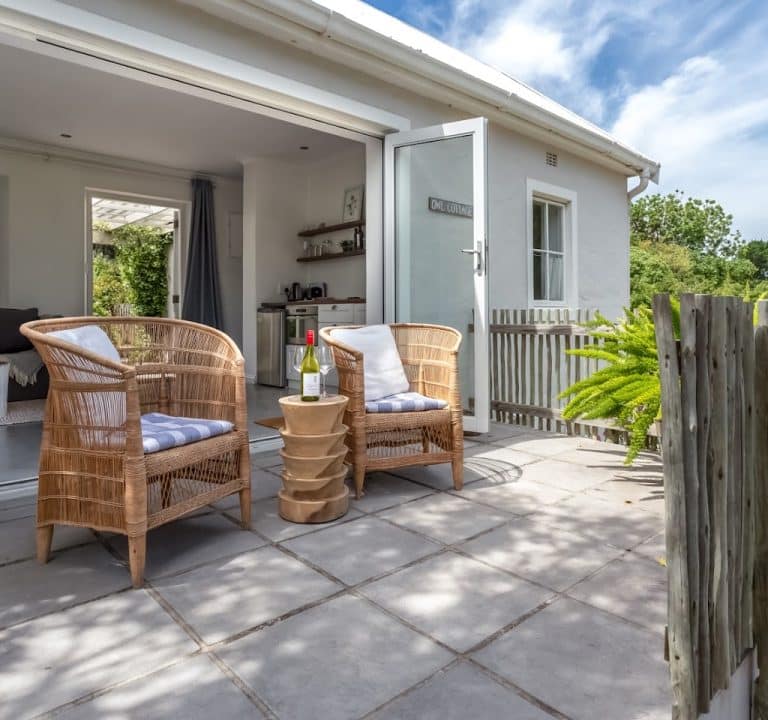
When choosing a place to stay, consider typical amenities that enhance comfort after a day of exploring. These commonly include reliable wi‑fi, a well-equipped kitchen or kitchenette, air conditioning or heating, secure parking or easy access to public transport, and thoughtful extras such as a balcony, outdoor seating, a cosy lounge area, or a small self-c catering setup. If you’re visiting during peak season, an accommodation with flexible booking policies and clear cancellation terms can be particularly valuable.
Transport in Cape Town is a practical consideration. The MyCiTi bus network offers straightforward routes across the city, while ridesharing apps are widely used and convenient for late evenings or short hops. If you plan to explore the Cape Peninsula or winelands, renting a car provides maximum freedom, though organised day trips and private tours can be worth it for the convenience and local insight. Many properties will help arrange airport transfers or suggest reputable operators for tours of sights such as the iconic Table Mountain, the Cape Point reserve, Robben Island, and the Kirstenbosch National Botanical Garden.
Best time to visit depends on your preferences. Spring (September to November) brings milder weather and blooming flora, while autumn (March to May) offers pleasant temperatures and quieter streets. Summer (December to February) is peak season with warm beaches and longer daylight hours, though popular sights can get crowded. Winter (June to August) is cooler and sometimes rainy, but still a fine time to find good value and enjoy indoor experiences, wine tastings, and museum days.
Practical tips to help you plan a smooth stay:
- Book as early as possible in peak periods, especially if you have specific neighbourhoods or properties in mind.
- Check on-site parking and security features, particularly if you’ll be renting a car.
- Look for properties with good, central access to the attractions you want to visit, or with easy taxi/ride-hailing options.
- Read recent guest reviews for insights into comfort, noise levels, and the responsiveness of hosts or managers.
- Bring appropriate layers for changing weather, even in summer, and plan outdoor activities for the best morning light and calmer seas.
- Respect local guidelines and be mindful of safety tips commonly shared by hosts and local tourism bodies.
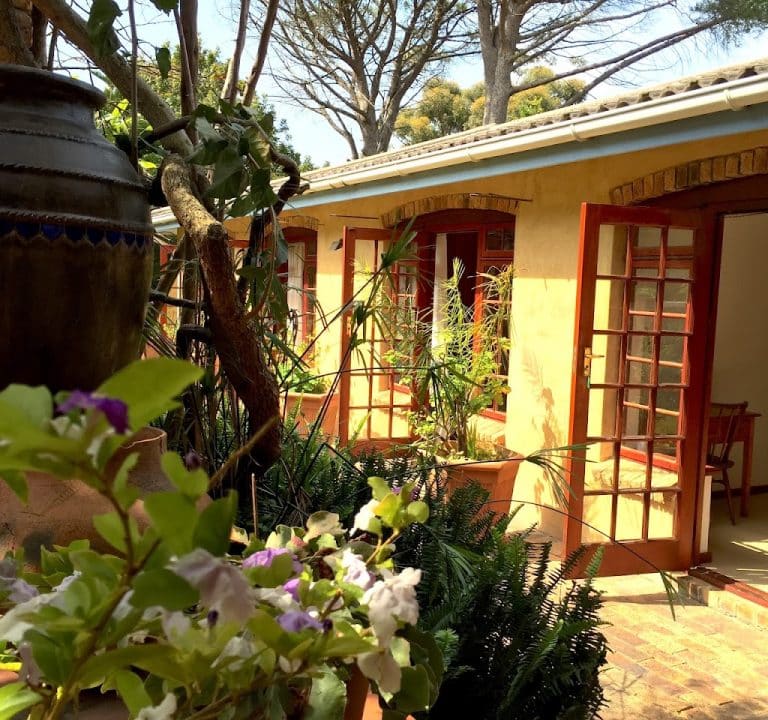
Accommodation examples range from boutique guesthouses housed in historic streets to modern hotels with panoramic views. One notable option to consider in the region is MooiBaai Cottages, which offers self-catering stays in a setting designed for travellers who value a home-from-home feel. Their website provides details on the cottages, location, and how guests can access local sights and experiences: http://www.mooibaai.com/.
Dining and experiences form a big part of a Cape Town stay. In general terms, you’ll find everything from casual seaside eateries serving seafood and wood-fired dishes to sophisticated restaurants that showcase regional ingredients, global flavours and bold cooking styles. Markets, food halls and wine-tasting rooms offer approachable ways to sample Cape Town’s culinary diversity without committing to full-service dining. For a well-rounded visit, aim to balance days of sightseeing with evenings that blend a stroll along the coastline, a scenic sunset view, and a relaxed meal with friends or family.
Attractions and experiences can be enjoyed in broad strokes with family-friendly outings, romantic getaways or cultural explorations. Iconic viewpoints, nature walks, and cultural institutions provide memorable backdrops without needing to commit to rigid itineraries. Whether you’re ticking off a bucket-list vantage point or simply wandering vibrant streets lined with shops and cafés, Cape Town invites a flexible pace and generous moments of discovery.