Discovering Cape Town: accommodation, attractions and practical planning
Cape Town is a city of dramatic contrasts, where ocean horizons meet iconic mountain scenery and a vibrant cultural heartbeat. When planning a stay, the choice of neighbourhood and type of accommodation can shape your whole experience. Options range from stylish boutique hotels and serviced apartments to family-friendly guesthouses and self‑catering homes, each offering a different pace and perspective on the city.
The central parts of the city and the foreshore provide convenient access to business districts, museums and the historic streets of the city bowl. For a calmer coastal atmosphere with spectacular views, the Atlantic Seaboard and theSouthern Peninsula offer luxury lodges, modern apartments and guesthouses within easy reach of Clifton beaches, Camps Bay, and the scenic drives along Chapman’s Peak. For a more local flavour, neighbourhoods such as Green Point, Woodstock, and Observatory blend proximity to attractions with easy access to cafés, markets, and lower-key dining scenes. If you’re after a village-like vibe close to wine country, the northern suburbs and nearby Constantia provide elegant residences and self‑catering options set against verdant hills and historic wine farms.
When choosing where to stay, consider four practical factors: transport, space, amenities and security. Cape Town’s hills and sea create a delightfully varied landscape, but some streets are steep or uneven, and driving can be challenging during peak hours or in busy tourist periods. If you rely on public transport, check ease of access to MyCiTi buses or train lines, and confirm whether the accommodation offers parking if you’ll be renting a car. For families or groups, self-catering stays, apartment suites with separate bedrooms, or lodges that provide kitchen facilities are particularly convenient. If you’re staying for a longer visit, a serviced apartment or a self-contained unit with a kitchen can save time and money while giving you flexibility to cook or entertain guests in the evenings.
Typical amenities to look for include reliable Wi‑Fi, a well-equipped kitchen or kitchenette, secure parking, and clear information about access and check-in procedures. Laundry facilities, both in-unit and on-site, are especially useful for longer stays. Air conditioning or effective heating, a comfortable living area, and a pleasant outside spaces such as a balcony or garden can make a big difference for downtime between day trips. If you’ll be exploring late in the evening, a property with good security, well-lit paths, and a staffed reception or on‑site manager offers peace of mind.
Booking platforms often highlight guest reviews, which are a helpful barometer for cleanliness, comfort, and how attentive hosts or managers are. Look for details in reviews about noise levels, lighting, and accessibility, particularly if you’re travelling with children or older travellers. For seaside zones, verify window quality and ventilation against sea spray and humidity. Inland stays may offer quieter environments but consider proximity to markets, eateries, and transport routes for easy day trips to the Cape Peninsula, Cape Point, or Table Mountain Cableway.
Transport planning is essential in Cape Town. If you intend to explore multiple areas in a day, a car gives flexibility, though urban areas are walkable and ride-hailing services are readily available. Some accommodation options partner with local tour operators for day trips to the Winelands, penguin viewing at Boulders Beach, or the Cape Point route. If you prefer not to drive, seek places with easy access to MyCiTi routes or hop-on-hop-off style tours that cover major viewpoints and neighbourhood highlights.
The best time to visit Cape Town depends on what you want from the trip. Spring and autumn offer mild weather with fewer crowds and excellent conditions for hiking and coastal walks. Summer brings long days, beach vibes and a lively food scene, but popular coastal areas can become busy. Winter, with its cooler, wetter spells, is the season for green landscapes, fewer crowds and often more affordable rates in some properties. Pack layers for day-to-night temperature shifts, a good pair of shoes for uneven sidewalks, and a light waterproof layer for sea breezes and sudden showers.
Dining in Cape Town spans from casual bistros to fine‑dining experiences, many of which showcase fresh, locally sourced produce and seafood. Rather than focusing on single restaurant names, plan to explore waterfront eateries, markets, and neighbourhood cafés that reflect the city’s multicultural influences. For a practical plan, identify a neighbourhood where you’ll base most of your sightseeing and look for eateries within walking distance or a short ride away. Some stays will offer guest guides or community information detailing popular spots and weekly markets, which can provide a curated overview of current favourites.
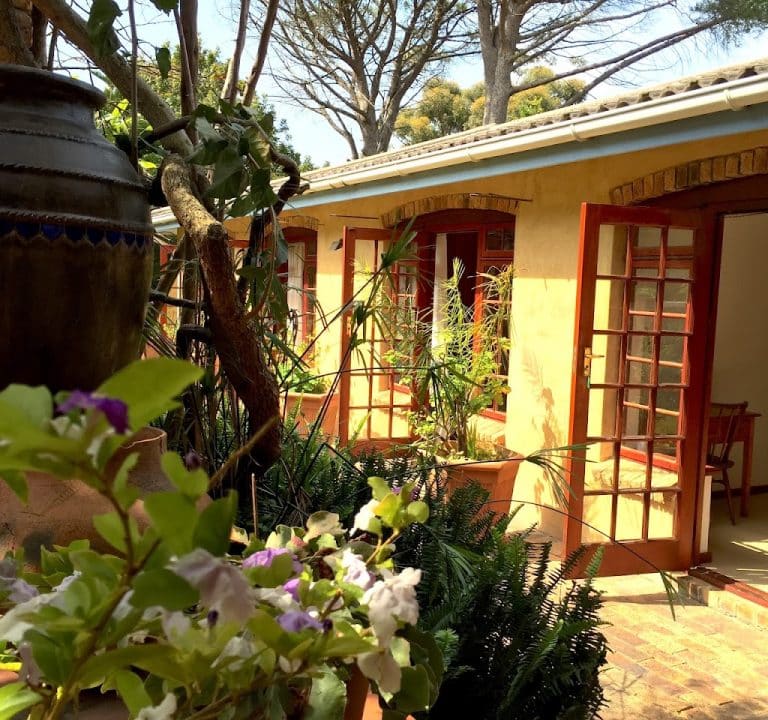
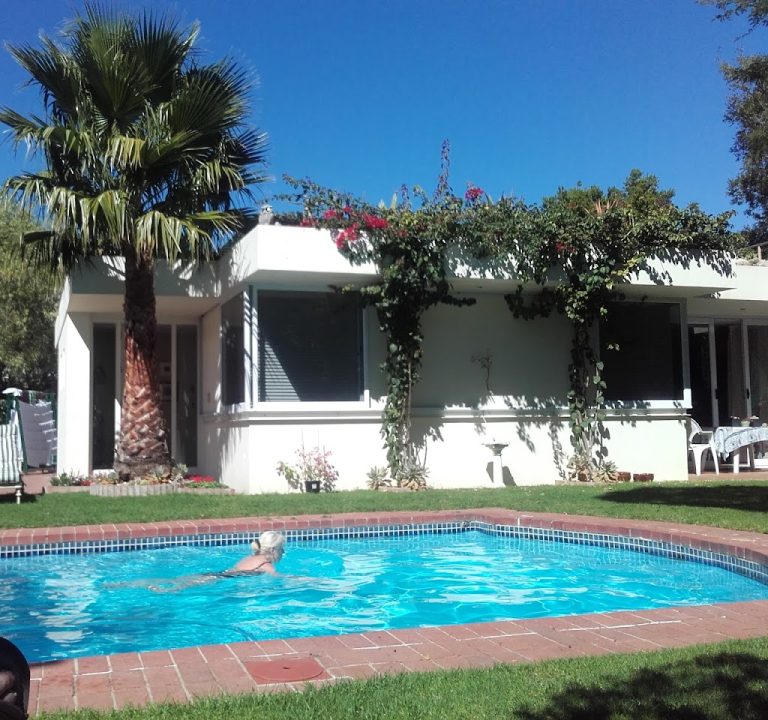
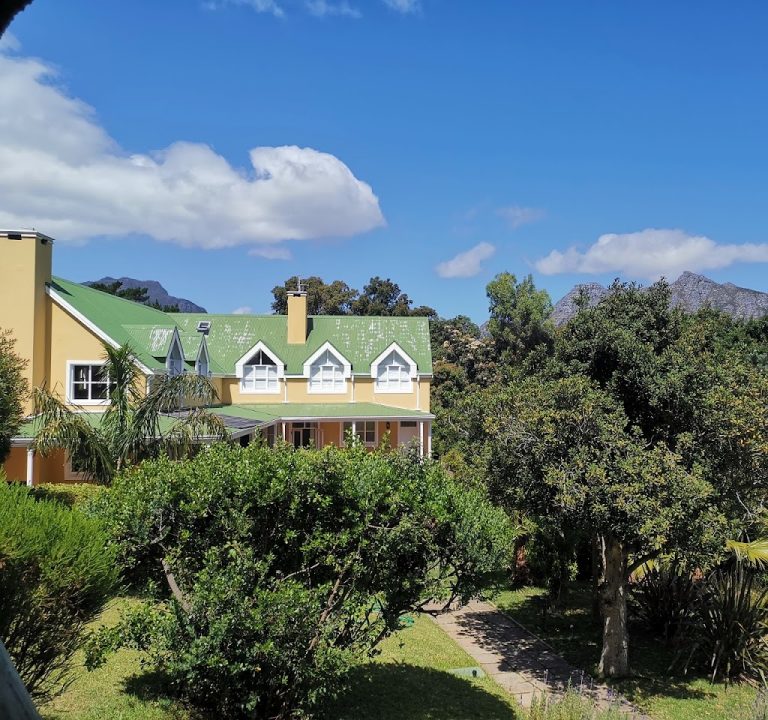
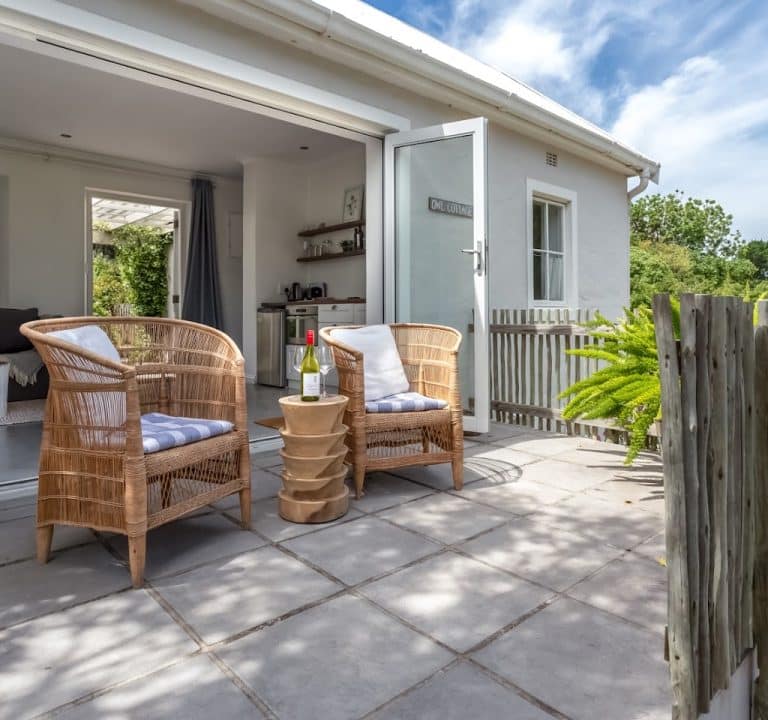
As an example of the region’s accommodation variety, self‑catering properties can be a flexible and comfortable base from which to explore. For instance, a property like Chateau Neuf du Cap describes itself as a self‑catering option, a style that often appeals to travellers seeking independence and the chance to tailor meals to dietary preferences. You can learn more about such stays through the property’s website, which provides practical information on layout, facilities and location at http://www.chateau-neuf-du-cap.co.za/.
- Plan in advance for peak seasons and major events.
- Prioritise safety, ease of access to transport, and clear information about check-in.
- Consider a mix of indoor and outdoor spaces to enjoy Cape Town’s climate.