Accommodation and Attractions in Cape Town: A Practical Guide for the Traveller
Cape Town is a destination built on stunning scenery, friendly hospitality and a wide range of places to lay your head. Whether you prefer a cosy B&B in a garden setting, a stylish boutique hotel overlooking the Atlantic, or a self-catering apartment with easy access to the city’s highlights, there are options to suit every budget and travel style. This guide offers practical advice on planning a stay, choosing areas, and enjoying what the region has to offer beyond the obvious sights.
Areas to consider when booking in Cape Town include the City Bowl, the Atlantic Seaboard, the Waterfront and its surrounding neighbourhoods, and the southern suburbs such as Constantia and Hout Bay. The City Bowl places you close to museums, markets, and an array of restaurants, with easy access to Table Mountain’s cableway and scenic hikes. The Atlantic Seaboard – including areas like Sea Point, Bantry Bay, and Camps Bay – is renowned for long beaches, breeze-filled walks, and sunsets over the Twelve Apostles. The Waterfront offers a hub of activity, with easy access to ferries, harbour views, and a concentration of dining options. The southern suburbs appeal to lovers of wine, mountain scenery, and leafy streets, often giving a quieter base while still being within reach of central sights.
When selecting accommodation, consider what matters most to you. Proximity to the activities you plan to enjoy can save time and transport costs. If you anticipate long days of hiking or safari trips, a quieter room with a good bed and blackout curtains can make a big difference. If you will be working or organising travel logistics during the day, a reliable Wi‑Fi connection and a comfortable workspace may be high on your list. For families, look for en suite rooms, extra beds or rooms that can be configured as twins, and access to safe outdoor space. For couples and light travellers, a cosy room with a pleasant lounge area and perhaps a small kitchenette can add a lot of convenience.
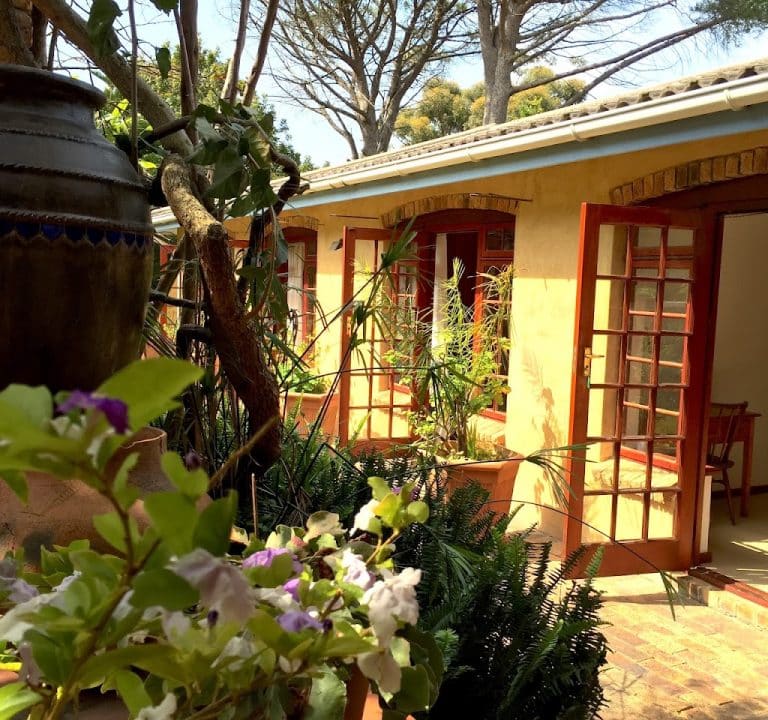
Typical amenities to expect at well‑run B&Bs and guesthouses include a generous continental breakfast, daily housekeeping, complimentary wi‑fi, secure parking, and guest lounges or outdoor spaces. Some properties offer private balconies, shared kitchen facilities, or plunge pools. It is common to encounter hosts who are knowledgeable about local routes, markets, and dining suggestions, and who can help you tailor day trips to your interests. If you are considering a specific bed & breakfast such as a property like Villa La Paz in Cape Town, it can be worth confirming what is included in the stay, such as breakfast service times, guest access to common areas, and any extra charges for activities or on-site facilities.
Transport and getting around are practical considerations. Cape Town’s public transport network includes buses and trains that connect major hubs, but many visitors find hiring a car or arranging a driver for day trips simpler, especially for trips to wine regions or scenic drives along the coast. If you prefer not to drive, look for locations with easy access to ride‑hailing services, beaches with boardwalks, and centralised pick‑up points for tours. For destinations within the city that are walkable, a location in or near the City Bowl or the Waterfront often means more walking and less driving, which can be part of the fun of exploring this walkable city.
The best time to visit Cape Town depends on your priorities. Spring and autumn (September to November and March to May) offer mild weather, manageable crowds, and excellent coastal scenery. Summer (December to February) brings warm days and lively beaches, but can be busy, particularly around major tourist corridors. Winter (June to August) is cooler and wetter, with a different atmosphere and fewer crowds, which some travellers find ideal for enjoying museums, markets and indoor dining. Regardless of season, the city offers outdoor activities, sea breezes, and dramatic skies, so plan with a flexible itinerary and a mix of outdoorsy days and indoor experiences.
When planning what to do, balance classic sights with local experiences. You may wish to reserve a morning visit to iconic viewpoints or a cable‑car ascent of Table Mountain, followed by afternoon time exploring markets, historic neighbourhoods, or a coastal walk. Dining in Cape Town ranges from tapas and casual cafés to refined seafood and Modern South African cuisine, often with spectacular views. In bustling districts you can expect a wide variety of eateries that focus on seasonal produce, wine pairings, and vibrant neighbourhood atmospheres. For those who enjoy food and drink as part of their travel, keep an eye out for chefs’ tasting menus, wine routes in nearby regions, and markets that highlight regional crafts and produce.
Practical tips to help you enjoy your stay: book accommodation with refundable policies when possible, especially during peak seasons; read recent guest reviews to gauge consistency in cleanliness and service; check parking arrangements and proximity to public transport if you plan to rely on public ways to move around. Pack adaptable clothing for changing coastal weather, sunscreen for coastal days, and comfortable walking shoes for uneven pavements and hillside paths. If you are visiting nature‑based attractions, start early to avoid crowds and to catch the best lighting for photographs. Lastly, keep a flexible mindset; Cape Town’s beauty reveals itself in layers—from sunlit beaches to misty mountain slopes and lively street life—so allow time to pause, observe, and enjoy the moment.
For ideas on places to stay and plan your itinerary, official tourism sites and reputable travel guides offer practical overviews of neighbourhoods, transportation options, and current visitor information. If you come across a specific bed & breakfast like Villa La Paz, you can use its listing to gauge the ambience, typical room configurations, and what periods of the year are most suitable for a tranquil stay in Cape Town. Website links to official guides, city pages and local tourism operators can help you assemble a balanced plan that combines accommodation, attractions, and dining into a memorable Cape Town experience.