Cape Town: Where to stay, what to do, and how to plan a memorable visit
With its dramatic coastline, mountain scenery and a city-to-sea vibe, Cape Town offers a wide range of accommodation to suit every style and budget. Whether you prefer a stylish boutique hotel in the City Bowl, a relaxed guesthouse in the Constantia Valley, a chic apartment along the Atlantic Seaboard, or a family-friendly lodge near the Cape Peninsula, there are plenty of options to match your plans. When choosing where to stay, think about what you want to be close to, how you’ll get around, and what kind of pace you enjoy on holiday.
Areas to consider
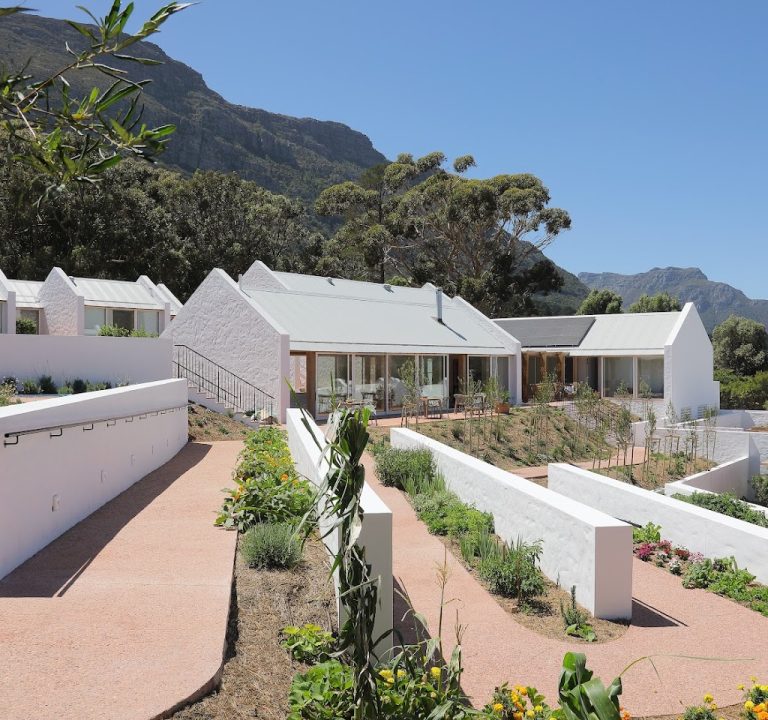
The City Bowl is ideal for first-time visitors who want quick access to sights, restaurants and nightlife. It also puts you within easy reach of Table Mountain and the V&A Waterfront. The Atlantic Seaboard, including areas such as Camps Bay and Clifton, offers sweeping ocean views, sunlit beaches and a more resort-like feel, often with higher-end properties and a lively dining scene. Green and leafy Constantia provides a tranquil setting just outside the city centre, with wine estates and expansive estates that pair well with a slower itinerary. If you’re keen on outdoor adventures, the Cape Peninsula offers picturesque lodges and guesthouses within reach of rugged coastlines, penguin colonies and rugged coastal drives. The nearby Winelands, a short drive away, are perfect for day trips to cellar doors and gourmet dining in historic towns.
What to look for when booking
- Location relative to your planned activities: Decide whether you want to be near the harbour and museums, or on the coast with easy beach access, or in quieter outskirts for longer rests.
- Safety and parking: Check security features and whether on-site parking is available if you plan to hire a car.
- Room type and layout: For families or travel with friends, consider suites with separate bedrooms or self-catering facilities.
- Inclusions: Look for breakfast options, pool or garden spaces, and access to common areas such as lounges or terraces with sea or mountain views.
- Transport links: Proximity to major routes, MyCiTi bus stops, Uber access, or a recommended taxi service can make day trips smoother.
- Wi‑Fi and workspace: If you need to work remotely or simply stream during downtime, verify reliable connectivity and desk space.
- Cancellation policies and flexibility: Especially around peak travel periods, flexible options can provide peace of mind.
Typical amenities you might expect
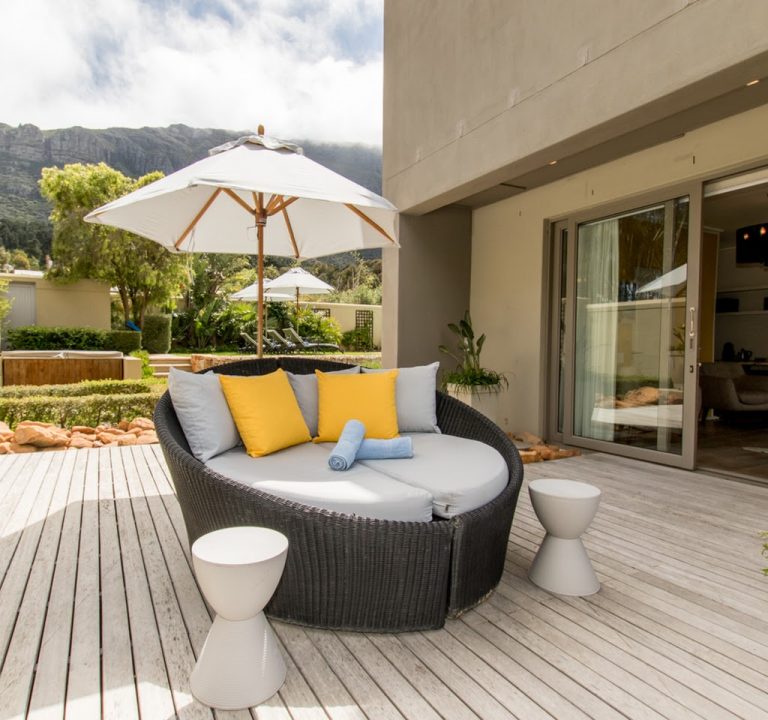
Many lodgings in Cape Town offer a mix of comfort and character. Common amenities include en-suite bathrooms, clean linen and fresh towels, air conditioning or ceiling fans, and well-equipped kitchens or kitchenettes. A good property often provides peace of mind with 24-hour reception, secure access, and staff who can offer local tips. Some places boast on-site dining, spa facilities, or help organising guided experiences such as hikes, cellar tours, or scenic drives. Outdoor spaces—balconies, terraces, or garden courtyards—are highly prized in the Cape climate, especially when combined with views of the harbour, mountain, or ocean.
Transport and getting around
Cape Town is best explored with flexibility. A car offers the greatest freedom to venture along the Atlantic coast or into the Cape Winelands, though many areas are well-served by public transport and ride-hailing services. If you’ll be based in the City Centre, you can often walk to key sights and use paid tours or hop-on-hop-off services for longer vistas. If you stay along the coast, a quick drive or ride can connect you to hiking trails, nature reserves and iconic viewpoints. For visitors intending to explore Robben Island or the Peninsula, plan ahead for ferry departures and scenic day trips that maximise time rather than travel.
Best time to visit
Cape Town experiences warm summers from November to March, with coastal breezes and longer daylight hours. Winter (June to August) is cooler and can be wetter, but it’s also a quieter period with opportunities to enjoy cosy lodges, rainy-day museums and vibrant markets. Shoulder seasons in spring and autumn often bring mild weather, calmer beaches, and fewer crowds, which can be ideal for sightseeing and modestly priced stays. If you’re chasing wildflowers in spring or whale watching in winter, plan accordingly and check local seasonal highlights.
Practical tips for travellers
- Book accommodation with a flexible cancellation policy, particularly if you’re visiting during peak seasons or event periods.
- Pack adaptable clothing: layers are useful for the varied weather between mountain mornings and seaside afternoons.
- Protect your belongings and stay aware of your surroundings in busy areas; choose well-reviewed properties with reliable security.
- Booking a hotel or lodge with available airport transfers or trusted airport shuttles can simplify arrival after long flights.
- Consider extending your stay to include a day trip to nearby attractions such as scenic viewpoints, nature reserves or wine estates.
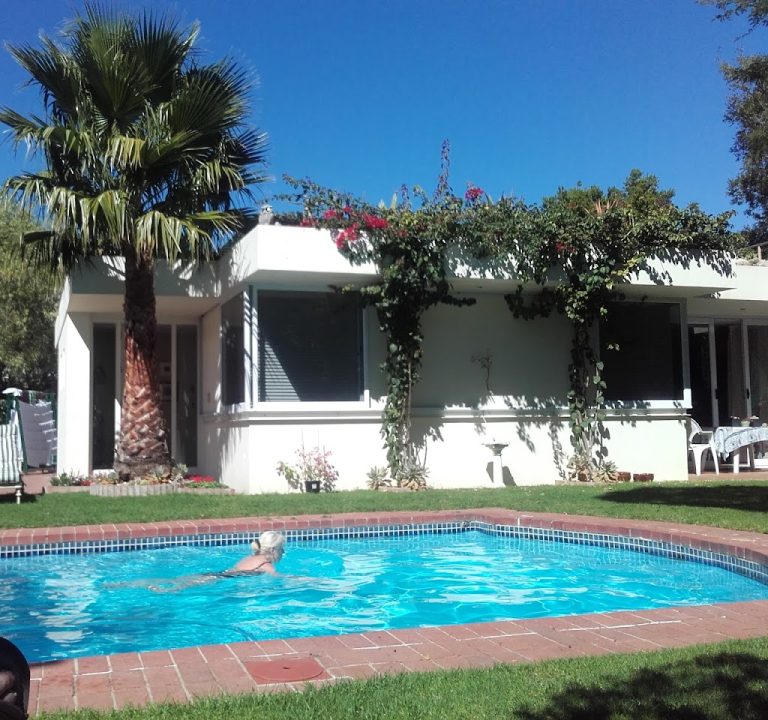
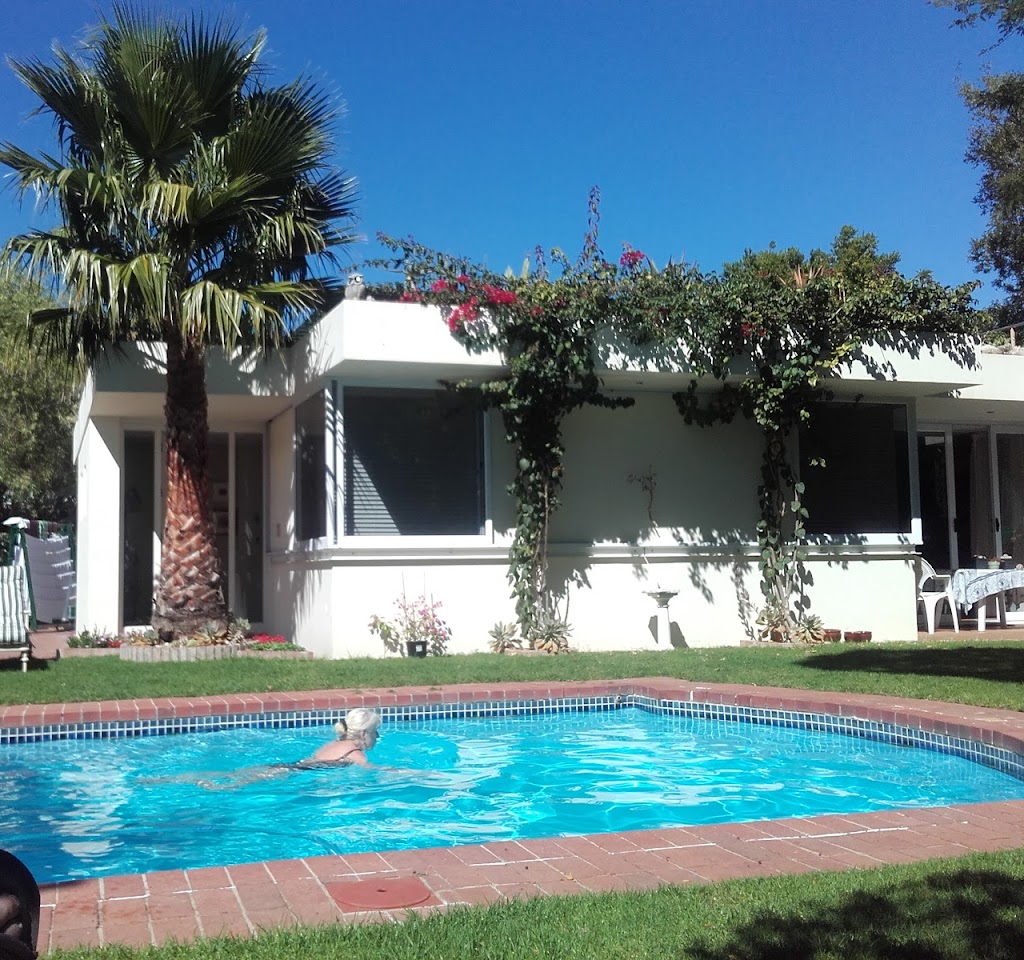
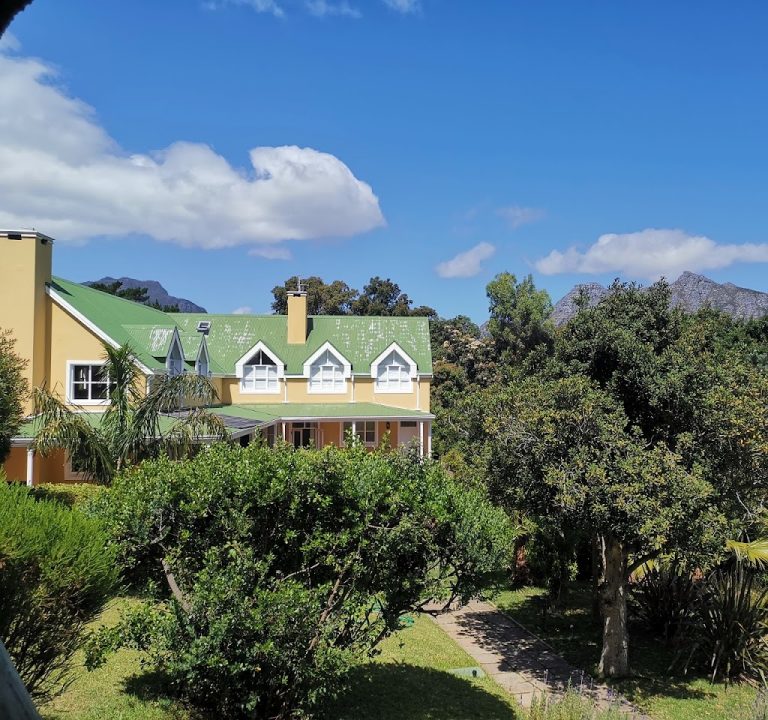
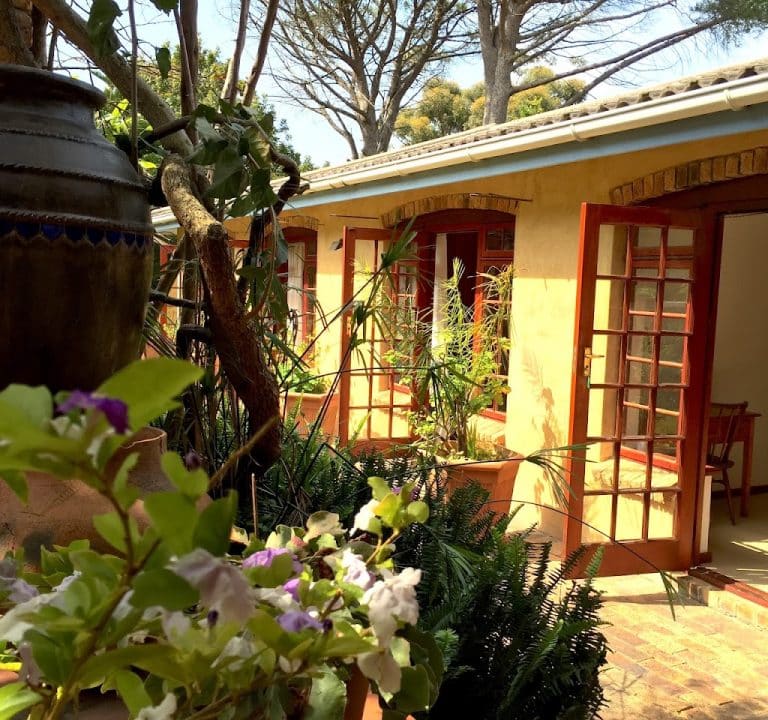
Accommodation example: Silver Leaf – annex to Victorskloof Lodge offers a glimpse into a lodge-style stay that can combine comfort with a touch of local character. Such arrangements typically provide a peaceful base within reach of Constantia’s green hills and the greater Cape Town area, making it possible to balance restful mornings with energetic afternoons of sightseeing and dining. For more information and planning ideas, you can explore official Cape Town tourism resources at Capetown.travel.