Planning a Stay in Cape Town: Where to Stay, What to Expect and How to Make the Most of It
Cape Town offers a richly varied canvas for visitors, from sea views and mountain backdrops to historic streets and world‑class cuisine. Whether you are seeking a cosy boutique stay, a stylish hotel with an urban vibe, or a friendly guesthouse with a personal touch, the city accommodates a wide range of preferences and budgets. The key to a smooth trip is balancing location, comfort, and pace, so you can wake up to a fresh plan each day of your Cape Town adventure.
Choosing the right neighbourhood is the first step in planning. The Atlantic Seaboard promises striking coastal views and easy beach access, with popular hubs along the coastline that feel energetic by day and relaxed by night. The City Bowl and the V&A Waterfront area offer convenient access to museums, galleries and harbour activities, with a walkable city centre feel and a bustling dining scene. Constantia and the Southern Suburbs appeal to quieter mornings, with vineyard routes and leafy streets, while Camps Bay provides a cinema‑worthy sunset backdrop. For colour and culture, Bo‑Kaap’s historic lanes and viewpoints offer a memorable stroll. When selecting accommodation, consider proximity to the places you plan to visit, the surrounding transport options, and whether you want a lively or a more tranquil base.
What to look for when booking matters as much as the décor. Priorities vary by traveller: some seek contemporary rooms with high‑end amenities, others prefer intimate guesthouses where hosts can offer local tips. Common and well‑regarded amenities include reliable Wi‑Fi, air conditioning or heating appropriate to the season, a comfortable bed with quality linens, and a secure environment. If you plan long days out, an early breakfast, a practical on‑site café, or self‑catering facilities can be particularly convenient. Check whether the property provides parking, as on‑street parking in busy areas can be scarce. A flexible cancellation policy offers peace of mind in case plans shift, and a clear house manual or reception hours helps guests navigate arrival and departure smoothly. For visitors seeking sustainability, note properties that use energy‑efficient lighting, recycling options and water‑saving measures.
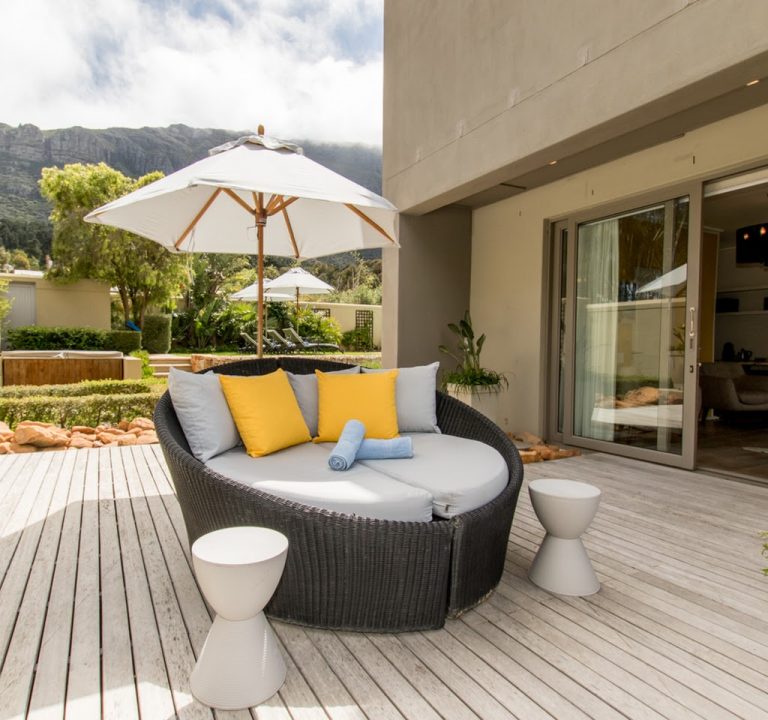
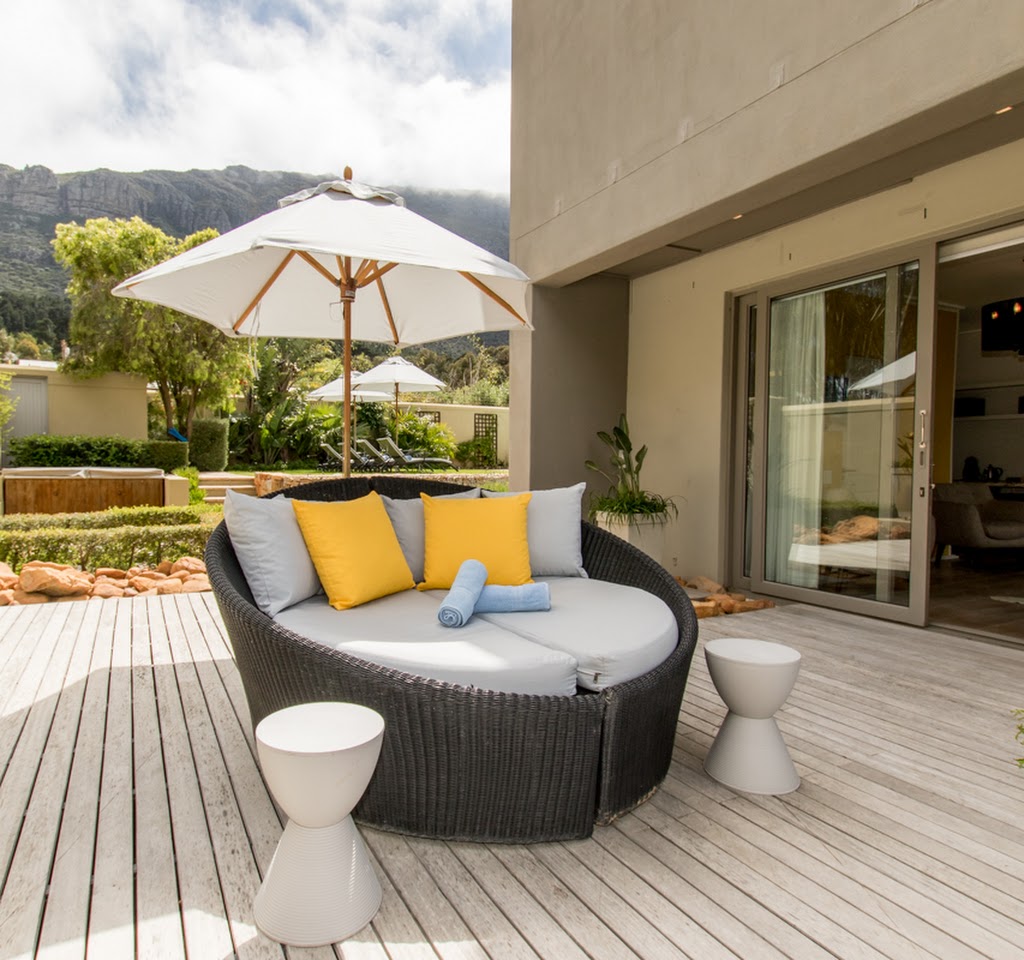
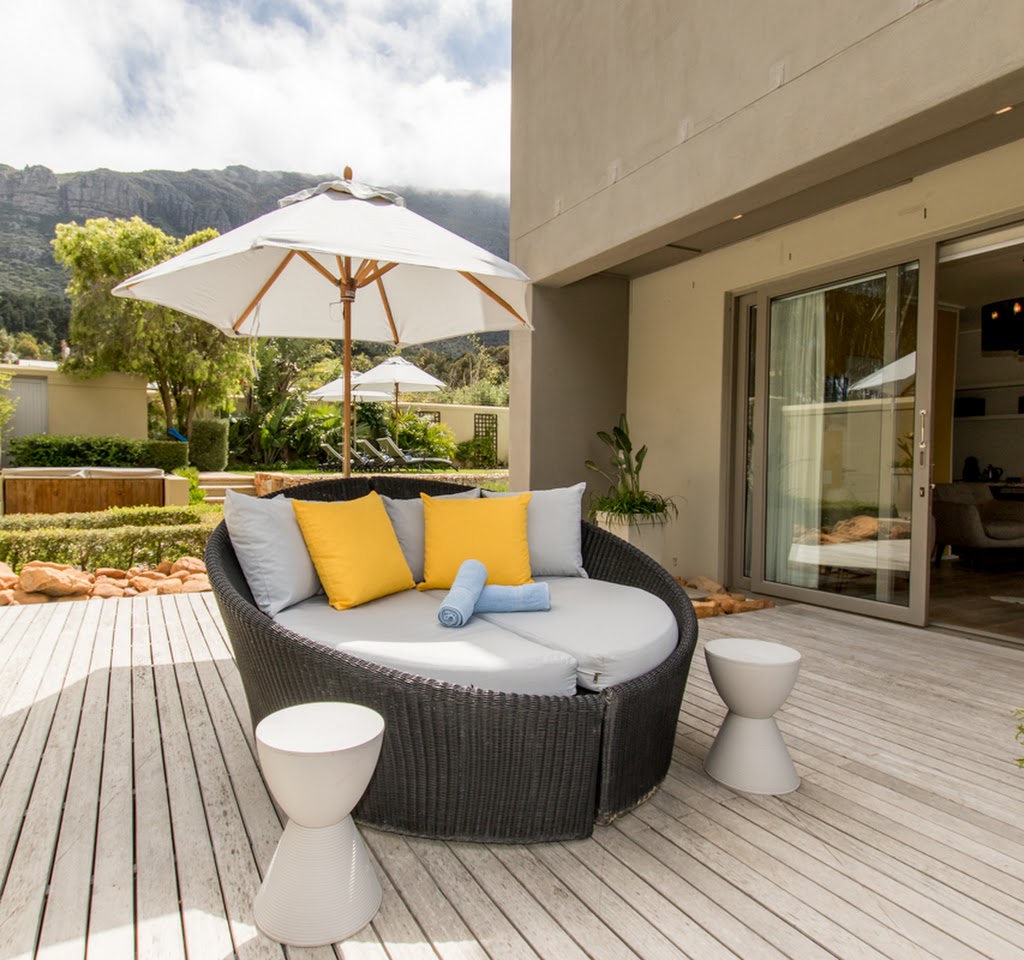
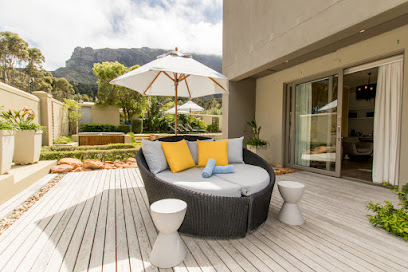
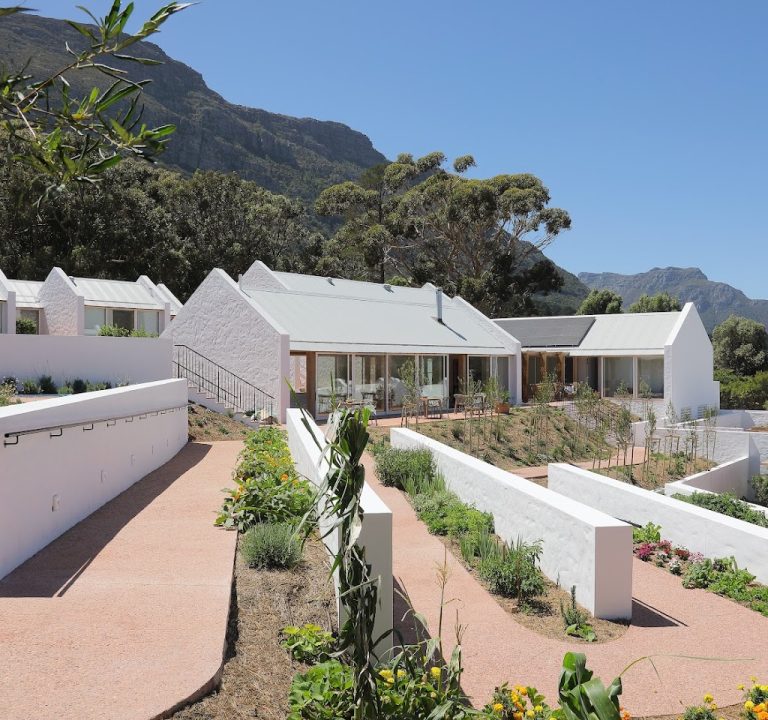
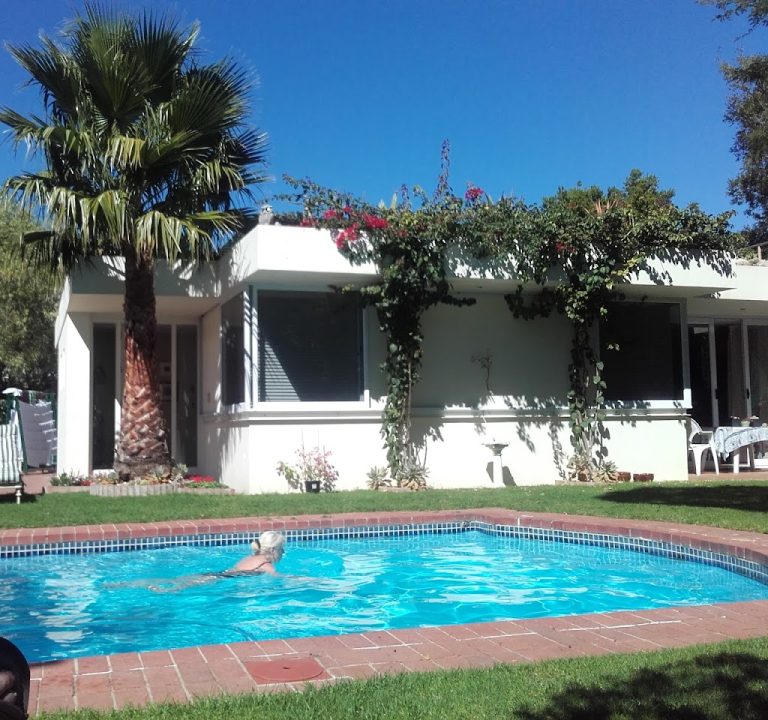
Typical amenities you may encounter include en‑suite bathrooms with ample hot water, well‑equipped kitchen corners for self‑catering, comfortable living spaces, and access to outdoor areas or rooftops with views. In some guesthouses and boutique hotels, you may find guided tours or curated experiences arranged by staff, designed to showcase local culture, scenery or food. If a property lists a pool or garden, confirm seasonal availability and the level of maintenance, as these spaces can be a rewarding retreat after a day of exploring the city.
Getting around Cape Town is straightforward but planning ahead saves time. The MyCiTi bus network and reliable ride‑hailing options cover many tourist routes, while some areas are best explored on foot or by bicycle at a relaxed pace. For day trips to the Cape Peninsula, the Winelands or nature reserves, consider an organised tour or a hire car with sensible parking options. If you intend to visit popular attractions in peak times, early starts help you beat crowds and make the most of the day. When staying near the waterfront or within the city centre, you’ll often be within comfortable walking distance of eateries, galleries and viewpoints, though some locations do benefit from a short taxi ride after a long day of activities.
The best time to visit Cape Town depends on the season and what you want to do. Spring and autumn offer mild weather, excellent for hiking and outdoor dining, while summer brings longer days, coastal breezes and a lively atmosphere around the harbours and beaches. Winter tends to be cooler and wetter, with a different charm and opportunities to explore indoor attractions, markets and restaurants. If you are planning outdoor adventures, check the forecast and pack accordingly, with layers for cool mornings and evenings, sun protection for daytime hours, and comfortable footwear for uneven terrain.
Practical tips to help you plan a comfortable, trouble‑free stay:
- Book accommodation in advance during peak travel periods, especially if you want a prime coastal or city‑centre location.
- Read recent guest reviews to gauge cleanliness, service quality and noise levels.
- Confirm access to essentials such as reliable Wi‑Fi, power outlets near the bed and a well‑equipped bathroom.
- Ask about breakfast arrangements, late check‑in policies, and whether the property offers airport transfers or guided tours.
- Look for properties with clear safety information and, if you plan to self‑drive, confirm parking arrangements.
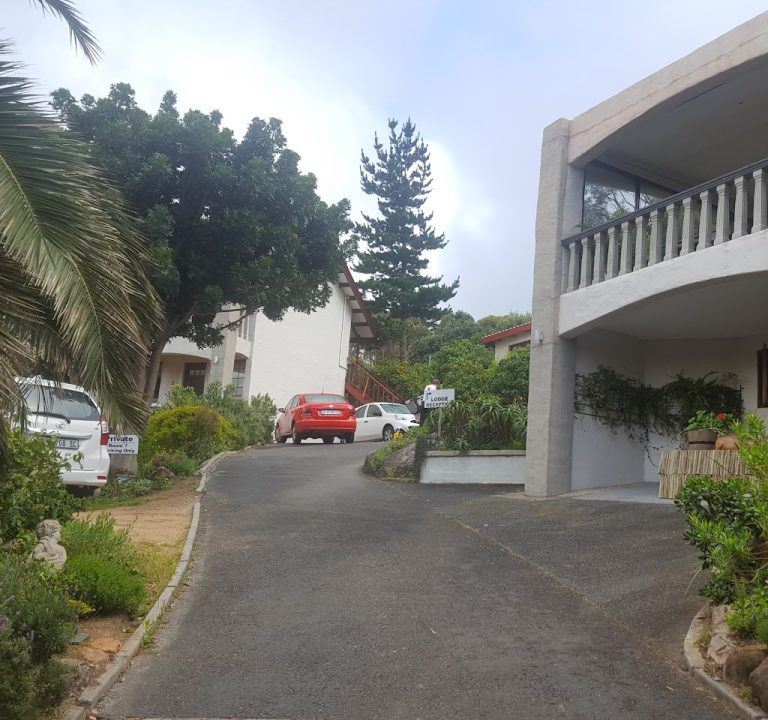
For travellers seeking reassurance and a sense of place, Cape Town offers a spectrum of accommodation that can be paired with memorable experiences. A well‑located stay can be your base to explore Table Mountain and surrounding viewpoints, wander the historic streets, enjoy sunrise walks along the coast, and sample a range of dining concepts—from casual cafés to refined restaurants. If you are curious about specific stays, you may visit established accommodation websites to compare options. For instance, Pure Guest House is one such option that presents itself as a convenient base in a notable part of the city; more information can be found on their website at Pure Guest House.
Whether you favour a stylish hotel, a guesthouse with a personal touch, or a charming boutique retreat, Cape Town invites you to plan thoughtfully and explore with confidence. With careful choice of neighbourhood, clear expectations about amenities, smart transport planning and a flexible itinerary, your stay can be as thrilling as the city itself.