Exploring Cape Town: Where to stay, what to do, and how to plan your visit
Cape Town is a city of striking contrasts and natural beauty, where the Atlantic meets a dramatic coastline and verdant mountain scenery. Choosing the right place to stay can shape your whole experience, from ease of sightseeing to the feel of neighbourhood life. Whether you favour a boutique guest house, a cosy B&B, a modern hotel, or a laid‑back lodge, the city has options to suit diverse itineraries and budgets.
When planning a stay, consider the areas that best match your priorities. The City Bowl is ideal for quick access to the historic core, V&A Waterfront, museums and fine dining, with easy hops to Table Mountain and colourful neighbourhoods like Bo-Kaap. Camps Bay and Clifton offer coastal views and beach access, paired with a more resort‑style tempo. Suburban neighbourhoods such as Green Point, Woodstock, and observant‑of‑art districts provide a mix of eateries, markets, and convenient transport links, while Constantia and Stellenbosch are perfect for wine lovers and countryside day trips. For a more authentic, quieter experience, seek out guest houses in leafy suburbs or along the Atlantic seaboard, where travel time to central sights remains reasonable but the pace feels relaxed.
What to look for when booking? Start with the basics: a comfortable bed, reliable heating or cooling, good lighting, en‑suite or private bathroom, and quiet hours. Actively check recent guest reviews for consistency on cleanliness, service, and accuracy of description. If breakfast is included, note whether it suits your dietary needs and whether it’s a self-serve option or prepared on site. For longer stays, a guest house or boutique hotel with a kitchen or lounge space can offer more flexibility. Safety features such as secure access, a well‑lit entry, and good neighbourhood lighting should be on your checklist. If you’re travelling with a vehicle, verify on‑site parking or nearby public parking options and access to main routes.
Typical amenities you may encounter include Wi‑Fi, workspaces, tea and coffee facilities, and laundry services. Some properties offer curated experiences, such as guided hikes, wine tastings, or neighbourhood walks, which can add value to your visit without the burden of planning every detail yourself. For families, request family‑friendly rooms or suites that can accommodate extra beds or cots, and check the availability of child‑safety features in pools or balconies. If you’re visiting during peak season, consider properties with flexible cancellation policies and the ability to secure confident reforms in light of weather or activity changes.
Transport in Cape Town is straightforward but varied. The MyCiTi bus network covers many central routes and is a cost‑effective option for day trips to the city’s major sights. Uber and similar ride‑hailing services are widely available and convenient for short hops, especially late at night or when heading to night markets and restaurants. If you hire a car for the day, confirm parking arrangements with your host, as some guest houses provide on‑site spaces with limited availability. For a scenic approach to the city’s landmarks, consider a mix of destinations by using cableway access to the Table Mountain area and then a short drive to coastal suburbs for a sunset stroll along the promenade.
The best time to visit Cape Town depends on your priorities. The city enjoys mild winters and warm summers, but the peak tourist period is typically from late spring to early autumn, when the weather is most reliable for outdoor activities. If you prefer fewer crowds, shoulder seasons in early spring or late autumn can be ideal, offering good weather and easier access to attractions. If your interests include marine wildlife, Cape Town’s coast has particular seasons for whale watching or penguin sightings, and local operators can advise on optimal times. Pack layers to adapt to coastal winds and the changing light around Table Mountain, especially in the mornings and evenings when breezes can be brisk.
Practical tips to help you navigate a stay in Cape Town:
- Book accommodation with clear directions and flexible terms, especially if you plan day trips to surrounding towns or nature reserves.
- Prioritise reliable Wi‑Fi and a comfortable workspace if you intend to balance work with sightseeing.
- Plan a mix of iconic sights and off‑the‑beaten‑path neighbourhoods to get a flavour of daily life beyond the tourist zones.
- Explore dining options that highlight local ingredients and seasonal produce, while also reserving a few special‑occasion meals based on personal tastes.
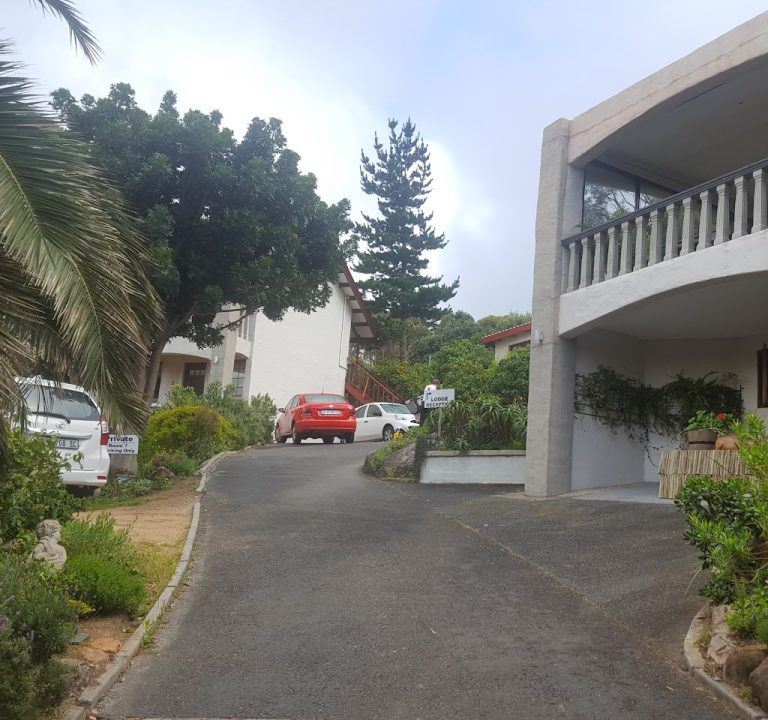
- Consider a guest house such as Paradiso for a more intimate experience that combines guest‑house hospitality with convenient access to central Cape Town or the Atlantic coast, depending on location.
In terms of attractions and dining in general terms, Cape Town offers a rich palette: dramatic viewpoints, botanical landscapes, historic sites, and a thriving food scene. Look beyond the headline landmarks to discover markets, harbour strolls, art and design districts, and sheltered garden courtyards where you can unwind after a day of exploring. For restaurant picks, seek places that celebrate seasonal produce and local seafood, paired with well‑curated wine lists that underscore the Western Cape’s viticultural traditions. Whether you’re drawn to the buzz of the city or the serenity of the coast, a well‑chosen stay will set the tone for a memorable Cape Town visit.