Accommodation and Experiences in Cape Town, Western Cape
Cape Town offers a diverse range of places to stay, from boutique guesthouses tucked into leafy neighbourhoods to contemporary serviced apartments with sweeping ocean views. When planning a visit, consider what will form the heart of your trip: whether you want quick access to the city’s museums and markets, a coastal vibe with easy harbour walks, or a quiet hillside retreat with dramatic scenery. The Western Cape is renowned for its natural beauty, but the best experience often comes from choosing an area that suits your pace and interests.
Areas to consider include the following, each with its own character and convenient transport links:
- City Centre and the V&A Waterfront – central for museums, galleries, dining and easy access to hop-on transport and guided tours.
- Sea Point and promenade routes – a lively Atlantic-facing neighbourhood with walkable eateries, parks, and convenient bus routes.
- Camps Bay and Clifton – sun-drenched beaches, stylish dining, and sunset views, ideal for a more leisurely stay.
- Constantia and the southern suburbs – verdant wine estates nearby, along with spacious guesthouses and villas.
- Hout Bay and the Atlantic Seaboard beyond – coastal charm, harbour access and a slower pace that still keeps you connected to city attractions.
When choosing your accommodation, consider the following common features and what they mean for your plans. A well-located base can save time and make day trips smoother, especially if you’re exploring the nearby Cape Peninsula, Cape Point, and the rolling winelands to the east and south.
Typical amenities you might expect include:
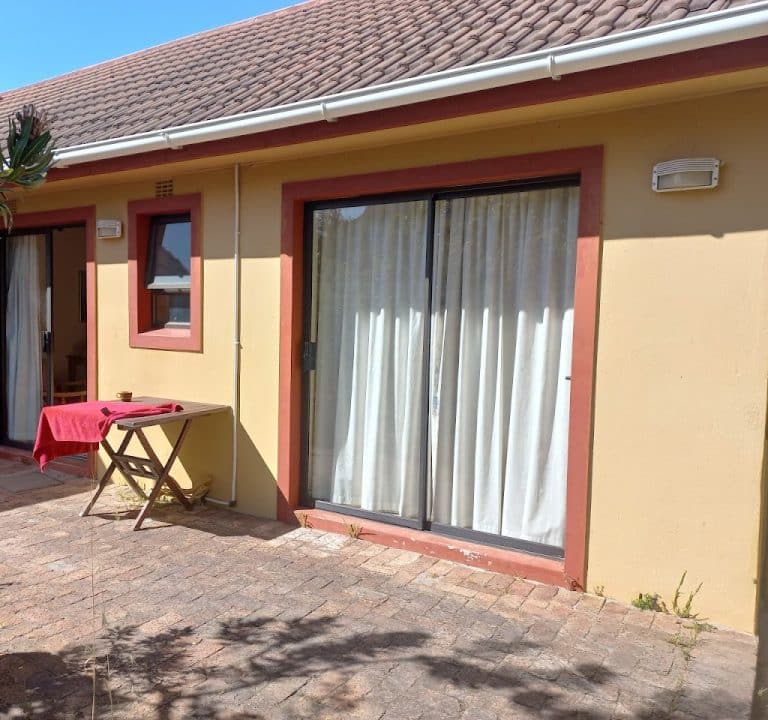
- Self-catering facilities in apartments or guesthouses, with kitchens or kitchenettes for flexible meals.
- En-suite bathrooms, wardrobe space, and reliable Wi‑Fi to support work or streaming after long days of sightseeing.
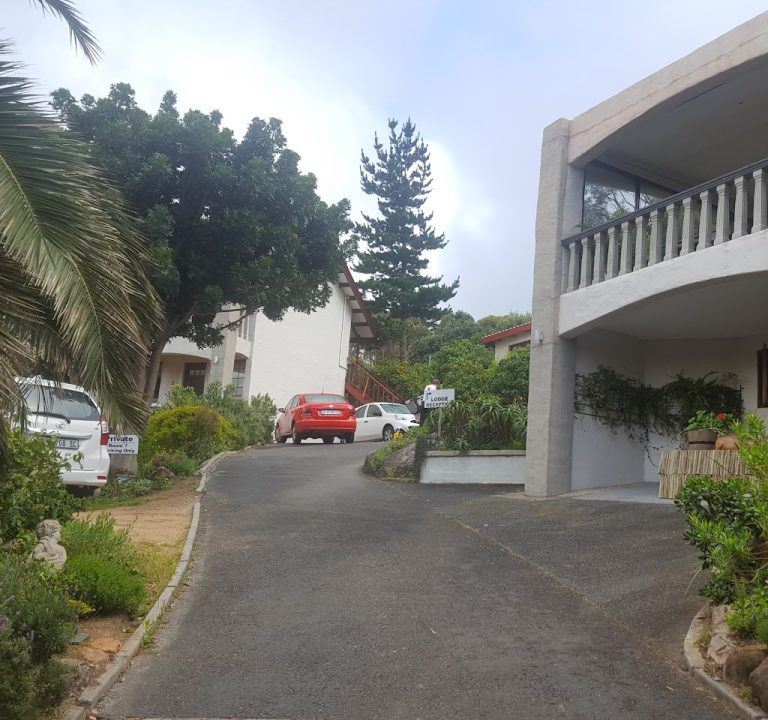
- On-site or nearby parking, which is useful for coastal roads and scenic drives around the Peninsula.
- Concierge or front-desk services to help with tours, restaurant reservations, and local advice.
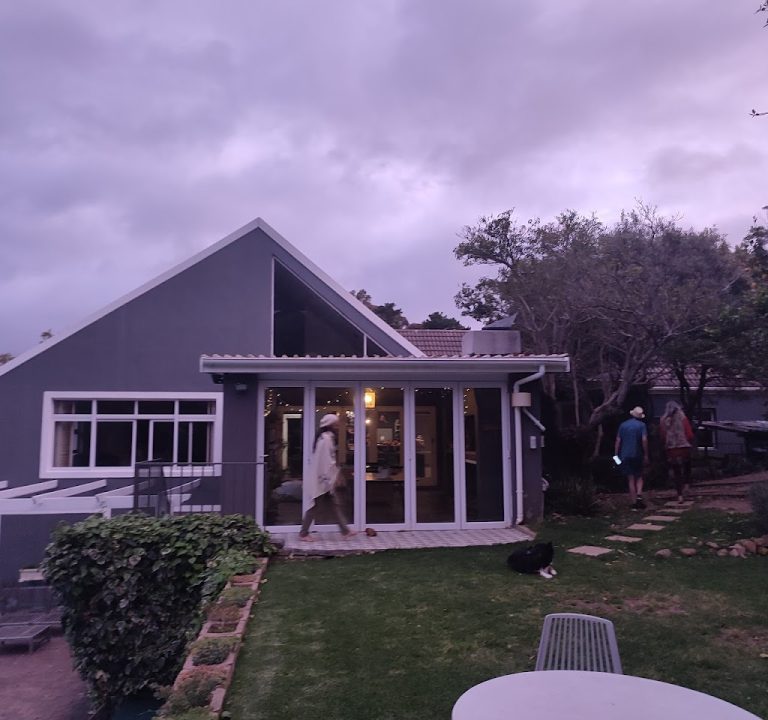
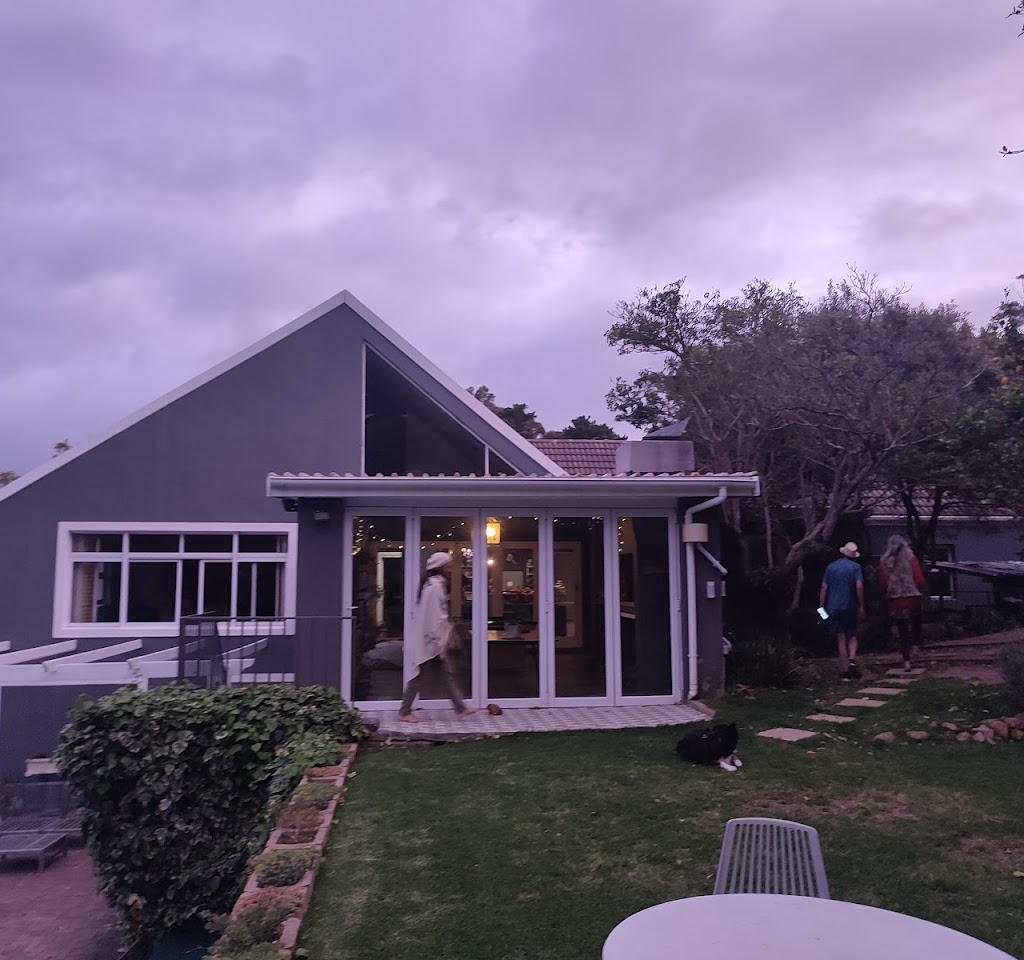
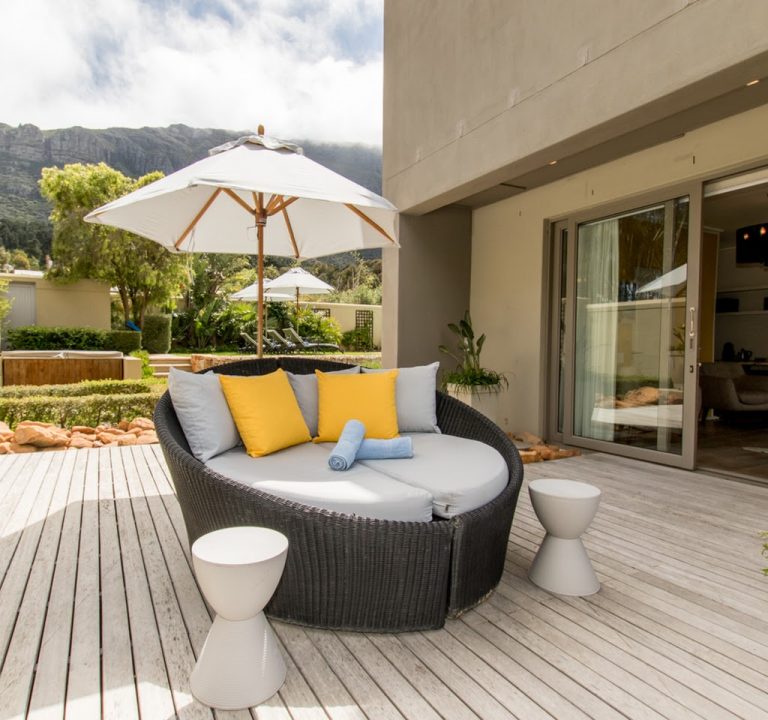
- Outdoor spaces such as balconies, terraces, or gardens that capture the city’s climate and views.
Transport is a practical factor in Cape Town. Many areas are well served by the MyCiTi bus network and ride-hailing apps, but if you’re planning a full Peninsula itinerary or trips to wine estates, hiring a car can offer flexibility. Some hotels and guesthouses provide shuttle services or partnerships with local tour operators. If you prefer the lowest-stress option, choose a centrally located property with easy access to public transport and a few good eateries within walking distance.
Best time to visit Cape Town depends on what you want from the city. The summer months (roughly November to February) deliver long days, beach-friendly weather, and a bustling dining scene. Spring (September to November) and autumn (March to May) offer milder temperatures, blooming gardens, and fewer crowds, which can be ideal for sightseeing, hiking Table Mountain, or the scenic coastal drives. Winter (June to August) is cooler and windier, yet it's a good time for atmospheric scenery and indoor experiences, such as museums, galleries and wine-tasting in nearby Constantia. Pack layers to adapt to changing conditions, especially on coastal hills and high viewpoints.
Planning practicalities can make or break a trip. Book accommodation with flexible cancellation policies when possible, especially if your plans may shift with weather or tides. Read guest reviews for information about noise levels, housekeeping schedules, and how staff handle requests for early check-ins or late departures. If you’re after a more immersive stay, look for properties that offer personal recommendations for local walks, markets, and food experiences—these insider tips can lead you to memorable meals and hidden viewpoints.
Dining and experiences around Cape Town range from casual markets to refined eateries with panoramic views. In general terms, you can expect a strong emphasis on seafood, fresh produce, and global flavours shaped by a multicultural city. For a well-rounded stay, mix beachside meals with a tasting session in a wine estate or a flavourful meal in a neighbourhood bistro. Availability and quality can vary by season, but Cape Town’s culinary landscape consistently rewards curious travellers with inventive menus and thoughtful service. If you prefer a lighter pace, choose a base near cafés and wine bars, which makes it easy to enjoy evenings without long travel times.
For a balanced stay that keeps you connected to nature and city life, consider an itinerary that blends coastal days with scenic drives and cultural discoveries. Begin with a sunrise walk along a seaside promenade, then take a cable car or hike to a high vantage point for sweeping views. Afternoon visits to galleries and markets can be followed by sunset drinks at a rooftop bar or a harbour-side restaurant. On a longer stay, set aside a day for a scenic drive to the Cape Peninsula’s famed routes, a wine-tasting excursion in Constantia, and an optional boat trip or harbour cruise to appreciate Cape Town from the water.
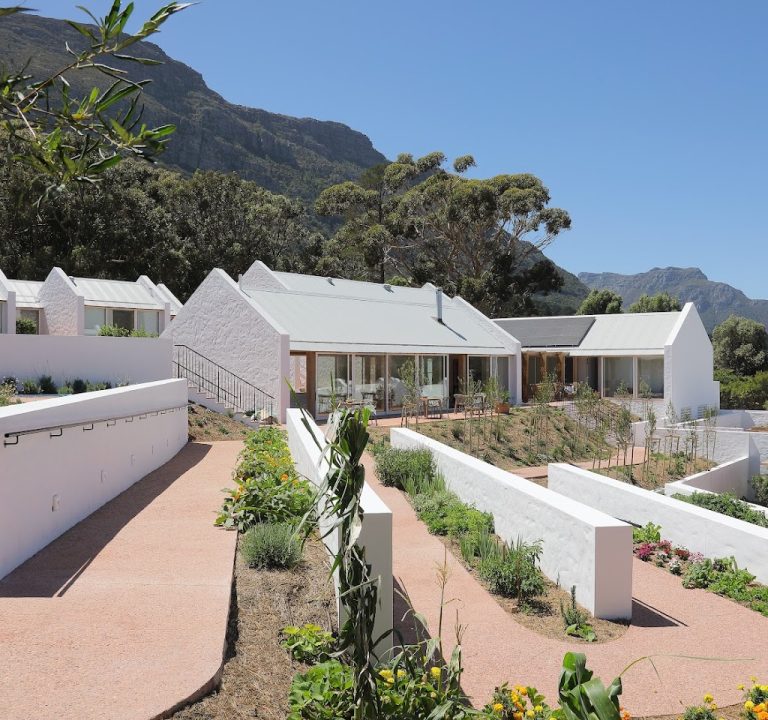
In areas such as Hout Bay, serviced accommodation exemplifies a comfortable, home-like base with easy access to coastal walks and harbour activities. The choice of accommodation in such areas often translates into deeper relaxation after busy days, with thoughtful touches that reflect the maritime atmosphere and the region’s warm hospitality. Regardless of where you stay, Cape Town invites you to plan with flexibility, enjoy diverse neighbourhoods, and explore an array of experiences that showcase the city’s unique blend of scenery, culture and cuisine. For more ideas and practical planning tips, visit official tourism resources and reputable travel sites, and consider booking ahead for peak seasons to secure the best locations and terms.