Where to Stay in Cape Town: Accommodation, Planning and Local Highlights
Cape Town is a compact city with a remarkable range of places to stay, from boutique B&Bs tucked into leafy suburbs to stylish self‑catering homes with ocean views. When planning a visit, think about what you want from your base as this will shape your experience as much as the sights themselves. Accessibility, noise levels, and the character of the neighbourhood often determine how relaxed your trip feels, especially if you plan day trips along the coast or up the last stretch of the Table Mountain cableway road.
Areas to consider include the Atlantic Seaboard, known for its beaches and dramatic sunsets; the City Bowl, which places you at the heart of the urban scene with easy access to museums, markets, and cafés; and the Constantia Valley for wine estates and green hills. Hout Bay offers a quieter seaside vibe and quicker access to the Chapman’s Peak Drive, while Camps Bay provides a more cosmopolitan, beach‑forward atmosphere. Each area has a distinct rhythm, so map your must‑see places and choose a location that minimises long transfers between mornings, meals, and sunset viewpoints.
When you book, look for a few practical features that can make a difference to your stay. A well‑equipped kitchen or kitchenette is essential if you enjoy home‑cooked meals or want to prepare a quick breakfast before a day of exploring. Laundry facilities are handy for longer trips, and reliable Wi‑Fi helps if you need to work or plan itineraries on the go. Good heating or cooling is important across seasons, and in coastal towns a property with sturdy windows can reduce street noise at night. A dedicated parking space or easy access to safe parking is a practical perk, particularly if you hire a car to explore beyond the city centre.
Self‑catering homes, guesthouses, and small boutique hotels each offer a different rhythm. Self‑catering properties, such as long‑standing garden flats or hillside cottages, give you the freedom to organise your day around your pace. Guesthouses tend to blend hospitality with privacy, often including breakfast or light evening options and local recommendations. Boutique hotels provide a design edge, with curated spaces that reflect Cape Town’s diverse neighbourhoods. When you read listings, check not only the photos but guest reviews for insights into cleanliness, responsiveness of hosts, and how easy it is to access nearby restaurants, supermarkets and public transport.
Typical amenities you might encounter include fully equipped kitchens, dishwashers, washing machines, towels and linen, and complimentary basics like tea and coffee. Some properties offer outdoor spaces, barbecue facilities, or access to communal lounges. For families, child‑friendly features such as high chairs or cots can be important. If you’re travelling with a vehicle, confirm parking arrangements and whether extra charges apply. If you prefer a more social atmosphere, consider properties that host community evenings or provide curated activity lists for guests.
Transport in Cape Town ranges from car rentals and rideshare services to MyCiTi buses and scenic harbour ferries. If you plan to explore beyond the city centre, a car provides flexibility for coastal drives along the Atlantic Seaboard, coastal towns, and wine routes. Within the city, compact, walkable neighbourhoods and well‑situated public transport can be ideal. When booking, think about proximity to the places you want to visit: Kirstenbosch and the southern suburbs are well served by roads and buses, while the V&A Waterfront area is excellent for an evenings stroll and easy access to Cape Town’s historic fleet and harbour views. If you’re coming in peak season, allow extra time for traffic and parking in popular spots, especially around Table Mountain and the waterfront.
The best time to visit Cape Town blends weather, activities and crowds. Spring (September to November) and autumn (March to May) offer mild temperatures and fewer crowds, making outdoor experiences such as hiking, coastal walks, and wine tastings particularly pleasant. Summer (December to February) brings warm days and lively beachfront scenes, while winter (June to August) can be cooler and windier, ideal for museum visits and sampling hearty local dishes. If you’re chasing flowers, coastal scenery or whale watching, plan your stay to coincide with the natural events of the season.
Sample planning tips to streamline your trip:
- Identify two or three must‑see areas as anchors for your stay and choose accommodation within easy reach of them.
- Book activities or day trips in advance during peak season to secure slots for popular experiences.
- Balance outdoor time with indoor or museum days to avoid fatigue from sun and hills.
- Pack layers, a hat, sunscreen, comfortable walking shoes, and a light rain jacket for changeable coastal weather.
- Look for flexible cancellation policies and read recent guest feedback for current conditions and service levels.
Cape Town’s culinary scene is as varied as its landscapes. In general terms, you’ll find everything from traditional South African fare to modern international cuisine, with restaurants ranging from buzzy bistros to intimate, candlelit rooms. Many eateries source local produce, and seafood is a natural highlight along the coast. For self‑catering travellers, a quick visit to a nearby market or deli can yield fresh ingredients for a meal at your accommodation, leaving you time to enjoy a sunset on the terrace.
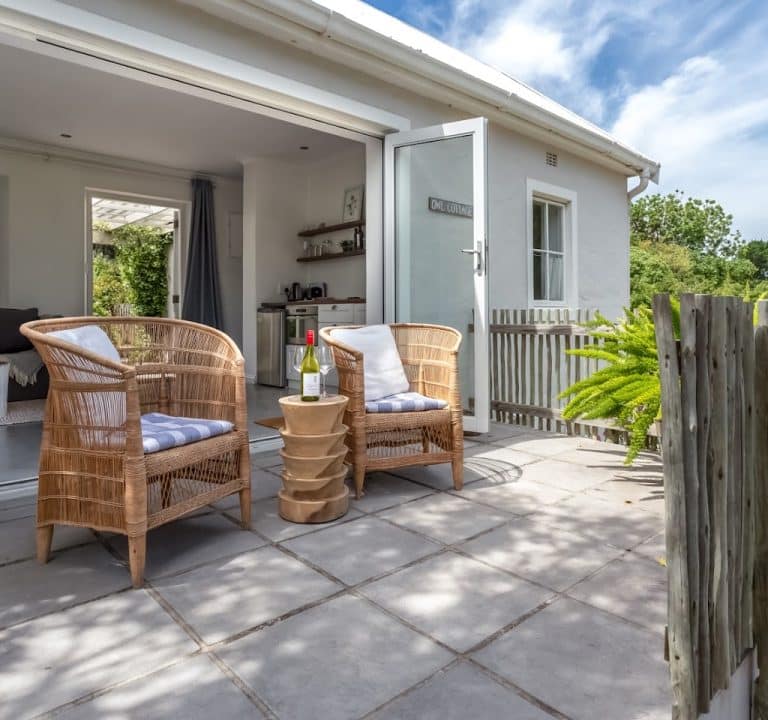
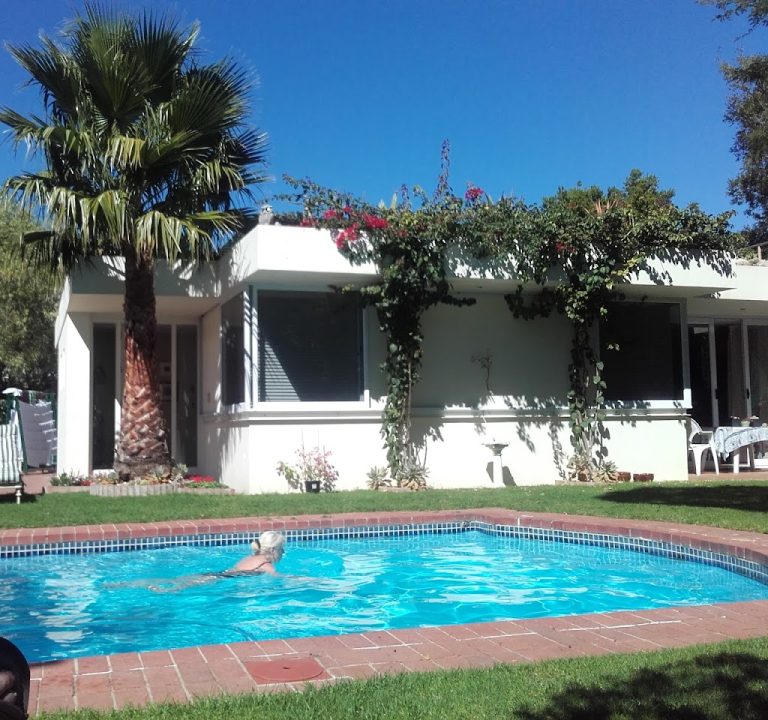
For accommodation that combines privacy with a sense of place, consider self‑catering options such as The Owl House Hout Bay, a venue listed for serious travellers who value convenience and a home‑from‑home ambiance. If you wish to explore more options, visit the property’s official website for current details and availability: The Owl House Hout Bay.