Cape Town in Comfort: Where to Stay and What to Do
Cape Town is a destination that rewards careful planning with a stay that suits your style, whether you’re drawn to bright city energies, cliff-top scenery, or coastal calm. The choice of neighbourhood can shape your daily rhythms, from sunrise walks along the Atlantic shoreline to sunset dinners with Table Mountain as a constant backdrop. When selecting accommodation, consider how you want to move around, how much time you’ll spend at your base, and what amenities will make your stay easiest and more enjoyable.
Areas to consider include the City Bowl for easy access to museums, galleries, and a lively dining scene; the Atlantic Seaboard, including elegant coastal suburbs, for dramatic sea views and quick beach access; Camps Bay and Clifton for stylish boutique hotels and chic, relaxed vibes; Constantia and the Southern Suburbs for wine estates and leafy serenity; and leafy Woodstock or Observatory for a more bohemian, buzzy atmosphere with good access to hip cafés and markets. Each area has a different pace and different transport options, so it’s worth mapping your daily plans before you book. If you’re planning day trips to the Cape Winelands or the Cape Point reserve, staying near a transport hub or within easy driving distance can be a real help.
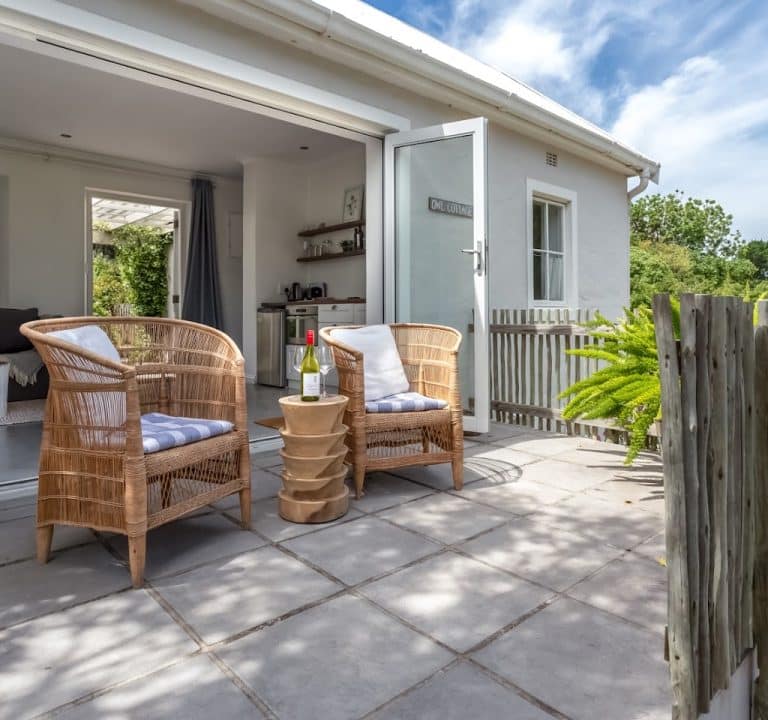
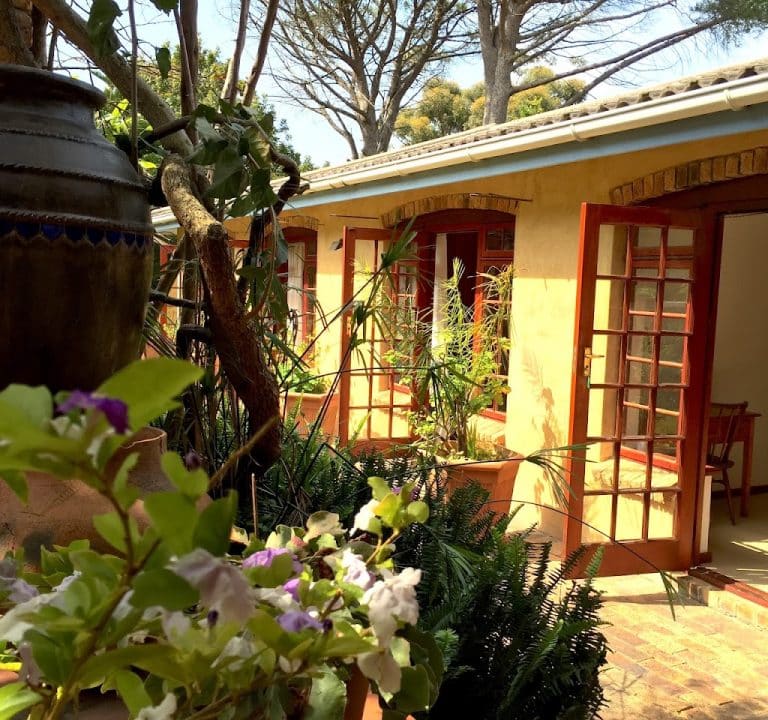
Accommodation ranges from intimate guesthouses and boutique hotels to self‑catering apartments and mid‑scale lodges. Look for properties that describe clear, practical amenities: reliable Wi‑Fi, secure parking if you’ll hire a car, a generous breakfast if you want a good start to long days, and a friendly, helpful reception that can guide you to local experiences. Many guesthouses in Cape Town include thoughtful extras such as a welcoming communal lounge, a small balcony with sea or mountain views, or a courtyard where you can unwind after a day on the go. If accessibility is a factor, check for lift access and step-free routes in the building.
Transport is a central planning point. The MyCiTi bus network provides a straightforward way to reach central sights and some coastal suburbs, but its routes are not a complete solution for every corner of the city. Renting a car offers flexibility for exploring Constantia’s wine estates, the scenic drives along the Atlantic Seaboard, or a day trip to Cape Point. Taxis and ride-hailing services are widely available, particularly around the V&A Waterfront and popular beaches. When selecting accommodation, a property with on-site parking or easy access to a reliable transport link can save time and stress, especially if you plan early morning excursions or late returns from dining spots.
The best time to visit Cape Town depends on what you want from the trip. Spring (September to November) and autumn (March to May) deliver mild weather, pleasant light for sightseeing, and fewer crowds than peak summer. Summer (December to February) is lively and ideal for beaches and outdoor activities, but it can be busy, and some seasonal attractions may require advance booking. Winter (June to August) brings cooler, wetter days, offering a different rhythm with fewer crowds and the chance to enjoy denser green scenery and indoor experiences such as museums and wine-county tours.
Practical planning tips:
- Book in advance for popular areas and seasonal activities, especially near holidays and long weekends.
- When packing, include a light waterproof layer for sea breezes and occasional showers, plus sun protection for outdoor days.
- Discuss cancellation policies and any local terms with your host or the agency before finalising the booking.
- Try a mix of experiences: a nights’ stay in a central boutique hotel for easy access to dining and nightlife, and a couple of nights in a wine region or coastal lodge for a slower pace.
- For experiences, consider guided walks up Table Mountain (weather permitting), visits to Robben Island with a knowledgeable guide, and a day trip to Cape Point and the Cape of Good Hope. If you enjoy seafood and contemporary interpretations of local cuisine, seek neighbourhood eateries that source produce locally and offer seasonal menus.
When planning an itinerary, balance iconic sights with quieter moments. The city’s cultural precincts, markets, and viewpoints offer endless opportunities to absorb the local flavour. For nature lovers, a morning in Kirstenbosch National Botanical Garden or a short hike along a coastal path can complement a day of city museums or harbour walks. The Atlantic coast provides memorably scenic drives and beach moments, while the winelands to the east invite leisurely tastings and cellar doors in a serene country setting. Dining in Cape Town ranges from casual cafés to refined restaurants that emphasise fresh, seasonal ingredients; many venues are walkable from central stays, while others lie within easy reach by car or taxi.
If you’re seeking assistance planning your stay, travel agencies and platforms specialising in accommodation in Cape Town can help curate options to match your dates, budget, and preferred pace. Websites aimed at the South African travel market often list a broad spectrum of properties with practical details to compare. For inspiration and practical planning, consult reputable local tourism guides and the official Cape Town tourism pages to understand current highlights and seasonal activities. With thoughtful selection of area, type of accommodation, and a flexible plan, you can enjoy a well-rounded Cape Town stay that blends iconic sights with restful, comfortable lodging.