Cape Town: where to stay, what to do, and how to plan a memorable visit
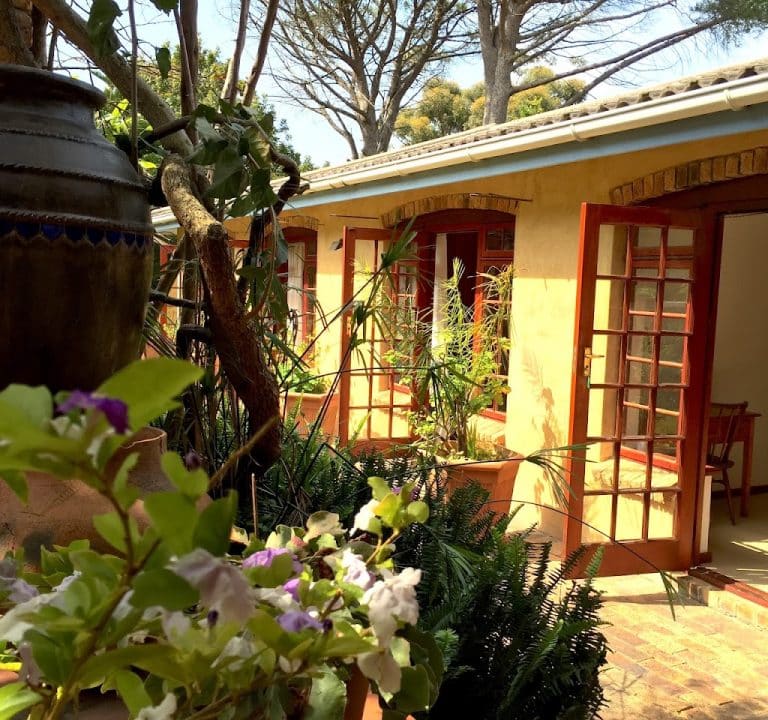
Cape Town blends natural grandeur with a vibrant urban scene, making it a prime destination for travellers seeking diverse experiences. When choosing a place to stay, consider the character of each neighbourhood, the ease of access to the city’s landmarks, and the type of comfort you value—from quiet coastal retreats to stylish city pads. Indoor lodging options range from intimate guesthouses perched above the Atlantic seaboard to well‑appointed B&Bs tucked into historic lanes, each offering a different doorway into the Cape experience. A great example to explore is Birdsnest Guest Accommodation, which sits within the city’s varied lodging landscape and can illustrate the range of home‑away‑from‑home stays available in Cape Town.
Area choice matters as much as your travel plans. The Atlantic Seaboard parts of the city offer dramatic sea views, convenient access to beaches and fine dining, and a more contemporary, cosmopolitan atmosphere. The City Bowl and central Green Point districts are excellent bases for first‑time visitors who want quick access to museums, markets, and a wide array of eateries, with many properties offering compact, well‑equipped spaces suited to short breaks or longer stays. For wine lovers and outdoor enthusiasts, the southern suburbs and Constantia valley provide easy access to verdant vineyards, scenic trails, and family‑friendly attractions. For a more historic and colourful experience, districts such as Bo‑Kaap bring a rich cultural flavour and charming boutique stays, often within easy reach of city sights and local eateries.
When you book, think about the amenities you’ll value most. Typical comforts include free Wi‑Fi, parking, continental breakfast or self‑catering facilities, and ensuite bathrooms. Some properties offer enhanced touches such as furnished terraces, heated pools, or guest lounges with views. If you rely on public transport, check proximity to main routes or bus stops; if you’ll be exploring widely by car, verify parking arrangements and whether the accommodation is in a drive‑friendly zone. Accessibility can be a priority for some travellers, with steps, lifts, or mezzanine layouts affecting ease of access—so it’s worth confirming room configuration and building facilities in advance.
Practical planning tips help you make the most of your stay. Cape Town enjoys a Mediterranean climate with wet winters and dry summers. The most pleasant periods for outdoor activities are typically spring (September to November) and autumn (February to April), when temperatures are comfortable and rainfall is lower than in mid‑winter. Summer can be busy, with regional events and peak beach season; early bookings are advisable for popular areas. If you enjoy hiking, a stay near routes that lead to Table Mountain or the surrounding nature reserves can cut travel time and add convenience to your itinerary. For wine tastings or coastal day trips, choose a base that reduces drive times to the Constantia Valley, the Cape Winelands, or the Atlantic coast towns.
Transport in Cape Town is well supported by rideshare services, taxis, and a growing network of buses. Many guesthouses and hotels offer on‑site or nearby parking, while central locations can be pedestrian‑friendly, with markets, cafés, and galleries within easy reach. If you plan to visit major sights such as iconic viewpoints, harbours, or the city’s museums, consider an itinerary that groups nearby attractions to minimise transfers and maximise daylight hours. For those renting a car, be mindful of traffic in peak times and the need for safe secure parking, especially in busy urban areas and along popular coastal routes.
Dining and local experiences form a key part of any Cape Town stay. The city’s dining scene ranges from seafood and modern African fusion to traditional South African braai and cosy, intimate eateries. In popular districts you’ll find diverse cuisine to suit different budgets, with many venues highlighting fresh, locally sourced ingredients. Even if you don’t plan to book every restaurant in advance, having a shortlist of dining neighbourhoods near your lodging can help you enjoy a flavourful mix of casual meals and special‑occasion dining without long detours after a day of sightseeing.
Attractions and experiences, while not exhaustively listed here, cover a broad spectrum. Natural wonders such as dramatic viewpoints along rugged coastlines, botanical splendours in large city parks, and wildlife‑inspired day trips sit alongside cultural highlights—museums, markets, and art districts—that offer a sense of the region’s history and contemporary life. When planning day trips, consider combining a scenic drive with a light walk, and include flexible time to linger at viewpoints, seaside towns, or winelands routes. It’s easy to tailor a Cape Town stay to whether you’re seeking active outdoor days, quiet waterfronts, or immersive city experiences.
- Check distance to key sights from your accommodation and assess access to reliable transport.
- Confirm included breakfast, parking availability, and any eco or sustainability measures offered.
- Review cancellation policy and any seasonal changes to rates or amenities.
- Ask about accessibility features if needed, such as lifts, ramps, or step‑free arrangements.
- Look for properties with convenient access to MyCiTi routes or reputable local taxi services for easy day trips.
With its blend of dramatic landscapes, cultural richness, and a food and drink scene that reflects Cape Town’s diversity, planning a stay with attention to location, amenities, and transport can help you craft a balanced itinerary. Whether you choose a cosy guesthouse with harbour views, a sleek apartment in a bustling district, or a tranquil retreat near verdant winelands, Cape Town invites you to explore its contrasts—coast, city, and countryside—at a relaxed pace while enjoying the warm hospitality that typifies South African travel experiences.