Accommodation and Getting the Most Out of Polokwane, Limpopo
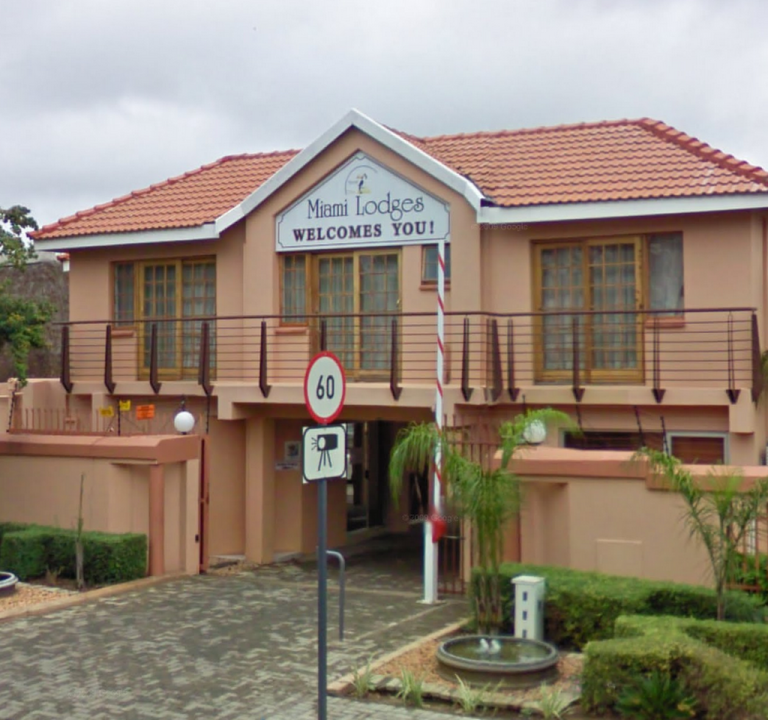
Polokwane, the capital of Limpopo Province, offers a compelling mix of urban facilities and easy access to the province’s natural beauty. When planning a stay in this city, it’s worth considering the different neighbourhoods and the convenience they offer for travel, dining, and day trips. From modern hotels in the city centre to cosy lodges on the edge of town and guesthouses tucked away in leafy suburbs, Polokwane has options to suit a range of budgets and travel styles. A notable example is Miami Lodge, a lodge property that provides a relaxed base with straightforward access to the surrounding areas. You can learn more about it at the property’s website: Miami Lodge.
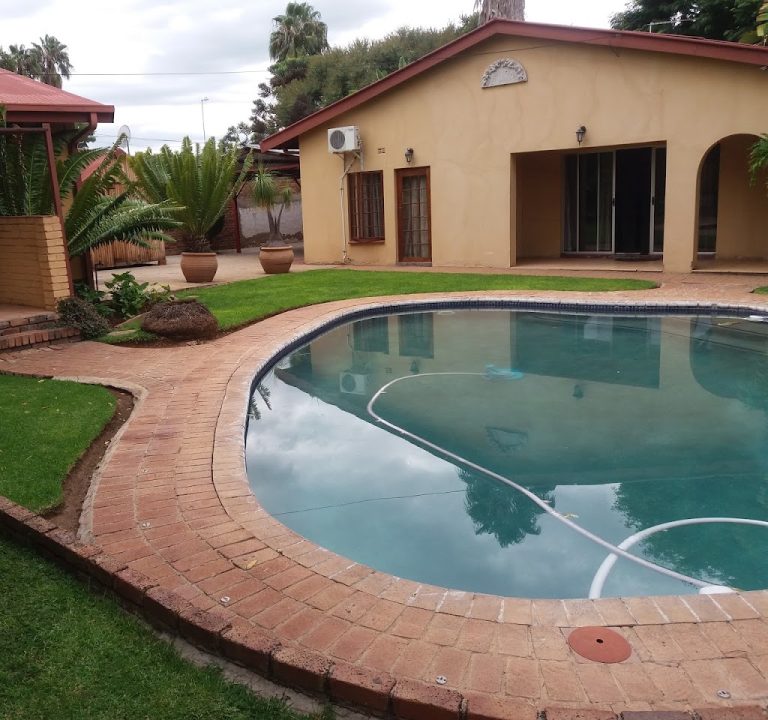
Areas to consider when booking include the central business district, which is convenient for access to shops, markets and offices, and the northern and western outskirts where quieter residential streets, gardens and larger properties are common. If you are visiting for a short break, look for locations within 10–20 minutes’ drive of the city centre to strike a balance between tranquillity and convenience. For a longer stay or if you are exploring Limpopo more broadly, choosing a base near main roads that lead to the Kruger Park corridor or to local attractions can save you time and reduce daily travel. Always check the parking arrangements and whether the property offers secure on-site parking if you expect to hire a car.
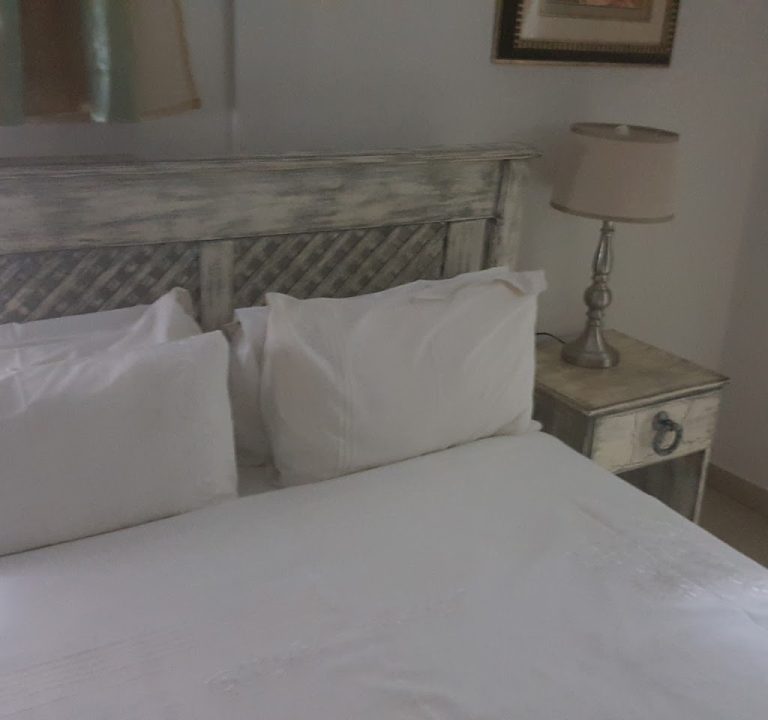
When booking, consider the typical amenities that can make a stay more comfortable. A reliable air conditioning system or ceiling fans is important in Polokwane’s warm months. En-suite bathrooms, good Wi-Fi, a self-catering option or at least access to a communal kitchen, and a steady supply of hot water are practical essentials. If you plan to work remotely or enjoy leisurely mornings, a comfortable workspace and quiet surroundings can be a real bonus. For families or groups, look for properties with extra living spaces, multiple bedrooms, or a lounge area. If you will be staying in the city for longer, a guesthouse that arranges breakfast or a light meal can simplify daily routines.
Transport planning is key. The city is served by a road network that handles private vehicles well, and a driving licence is sufficient for most visitors who plan to hire a car. Public transport options are available but can be limited outside peak hours, so many travellers opt for a rental car or a taxi service arranged by the accommodation. If you prefer not to drive, check whether the property offers a shuttle service to major points of interest or proximity to taxi ranks and ride-hailing services. Having a clear sense of your itinerary—whether you plan wildlife visits, cultural experiences, or shopping days—will help you map practical day trips.
Best time to visit Polokwane depends on what you want from your trip. The city experiences a subtropical climate with warm summers and mild winters. The dry season, typically from May to September, can be particularly pleasant for outdoor activities and game drives in nearby reserves, with lower humidity and comfortable daytime temperatures. If you come during the wetter months, be prepared for brief and sometimes heavy rain showers, which can still be manageable with a good rain jacket and a flexible plan. Outside of peak holiday periods, you may find quieter streets, easier restaurant reservations, and more relaxed itineraries.
Attractions and experiences in and around Polokwane offer a broad look at the region’s culture and wildlife. In the city itself, you can expect to encounter museums and cultural centres that tell stories of the area, alongside markets and craft stalls that showcase local artistry. For nature enthusiasts, nearby reserves provide opportunities for wildlife viewing, short game drives, or scenic walks. Day trips to the broader Limpopo landscape—famous for its biodiversity, landscapes, and opportunities for birdwatching—are popular for visitors who want a balanced mix of urban discovery and outdoor adventure. Dining in Polokwane ranges from modern bistros to traditional South African fare, with many venues offering fresh, seasonal ingredients and a welcoming, relaxed atmosphere.
Practical tips to help you plan a smoother stay:
- Book accommodation with clear cancellation terms in case your plans change.
- Check whether breakfast or other meals are included, and whether self-catering facilities are available.
- Ask about security features such as gated parking or 24-hour front desk services for peace of mind.
- Request guidance from your host about the best local eateries, markets and safe routes for evening strolls.
- Pack comfortable walking shoes and a lightweight rain jacket for variable weather.
Finally, when you arrive, take time to chat with your host or reception staff about hidden gems in the area—short drives to nearby towns or villages can reward you with a broader sense of Limpopo’s hospitality, landscapes and community traditions. With thoughtful planning, Polokwane makes a welcoming base for exploring both the urban vibrancy of the city and the natural beauty that lies beyond its streets.