Accommodation and Attractions in Polokwane, Limpopo: A Traveller’s Guide
Polokwane, the capital of Limpopo, offers a friendly mix of lodge-style retreats, boutique guesthouses, and comfortable hotels, all set against the backdrop of South Africa’s northern plains. Whether you arrive for business, a family break, or a slow-paced escape to the bush, the city serves as a convenient base for exploring the surrounding landscapes, wildlife reserves, and cultural highlights of the province. When planning a stay, think about convenient locations, expected amenities, and how you’ll get around to maximise your time.
Areas to consider when booking
- Central Polokwane: Staying in or near the city centre provides easy access to shops, restaurants, and business districts. It’s a practical choice for travellers who want to walk or take short taxi rides to evenings out after days spent sightseeing.
- Suburban and lodge zones on the outskirts: Lodges and guesthouses located a short drive from the centre often offer more space, tranquil surroundings, and a touch of rural charm while still being within reach of main roads and the airport.
- Close to attractions and routes: If your focus is wildlife on day trips, selecting a base within reasonable driving distance of nature reserves and game viewing areas can cut travel time and increase your daily exploring opportunities.
What to look for when booking
- Location versus transport: A well-situated base near major routes makes day trips easier. Check how far the property is from Polokwane International Airport and from the main roads you’ll use.
- Size and layout: For families or groups, consider guesthouses or lodges with separate bedrooms, common living spaces, and self-catering options.
- Amenities that matter: Free parking, reliable Wi-Fi, a restaurant on site, laundry facilities, and a pool or outdoor space can significantly improve your stay, depending on the season.
- Privacy and security: Look for properties with secure parking, gated access, and well-lit public areas. A quiet room away from street noise can be a big plus in busy areas.
- Access to experiences: Some lodges offer on-site activities, guided tours, or arranged transfers. If you’d like to keep plans flexible, choose a place that can help organise day trips or provide information about local operators.
- Flexibility and terms: Check cancellation policies and minimum stay requirements, especially if you’re travelling during peak periods or uncertain dates.
Typical amenities you can expect
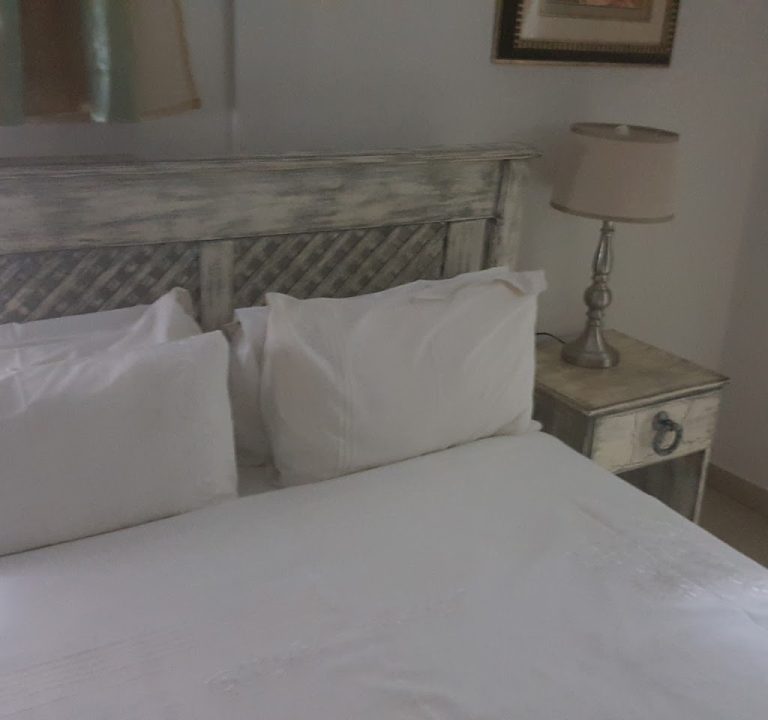
- Comfortable bedrooms with en-suite or shared bathrooms, air conditioning or ceiling fans, and clean bedding.
- Guest lounges or verandahs where you can relax after a day of exploring.
- On-site dining options or easy access to local eateries, with options for breakfast included or offered à la carte.
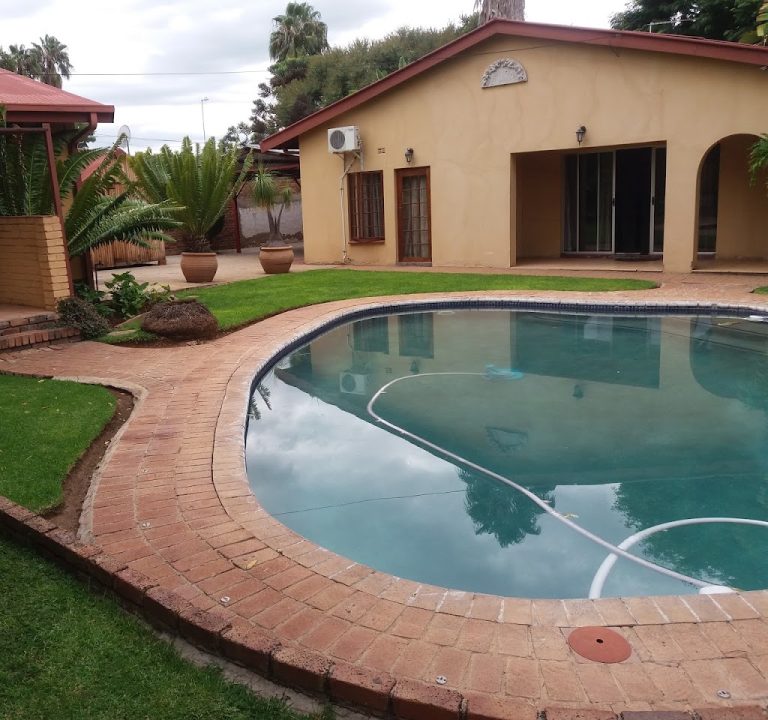
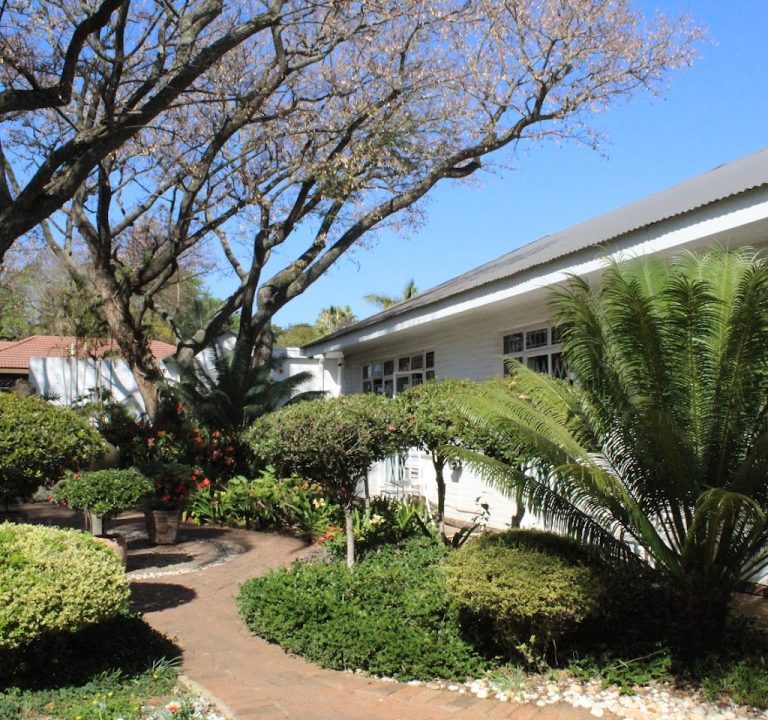
- Outdoor spaces such as gardens or courtyards, sometimes with a swimming pool or sheltered seating areas.
- Vehicle parking on-site or nearby, with security considerations clearly communicated by the host.
- Basic practical touches like kettles in rooms, tea and coffee facilities, and in some cases microwaves or small kitchenettes.
Transport and getting around
- Car hire is common and convenient for Polokwane, allowing you to explore the city and surrounding reserves at your own pace.
- Taxis and ride-sharing services are typically available, though you may want to arrange transfers through your accommodation for convenience, especially after late arrivals.
- The city is served by a modest network of roads; if you plan to venture into rural areas or nature reserves, a reliable vehicle is advisable.
Best time to visit
- Dry season (winter months in the Southern Hemisphere): Generally characterised by pleasant days and cooler evenings, making it comfortable for outdoor activities and game viewing.
- Wet season: Lush landscapes and vibrant flora, but some roads and tracks can become less accessible due to rainfall. This period offers different photography opportunities and less crowded conditions.
- Consider school holiday periods and local events when planning your dates, as these can affect availability and room rates.
Practical planning tips
- Book in advance for peak periods, especially if you want specific lodges or guesthouses that offer scenic surroundings or personalised service.
- If you have dietary preferences or special requests, contact the property ahead of arrival to confirm what can be accommodated.
- Pack practical essentials for a Limpopo stay: sun protection, light layers for cooler evenings, comfortable walking shoes, a hat, and a reusable water bottle.
- On longer trips, consider a flexible itinerary that balances rest with a couple of day trips to wildlife or cultural sites. The region rewards steady planning and a relaxed pace.
- Check local dining options and offerings; many lodges partner with nearby eateries or provide guests with recommendations to sample Limpopo flavours respectfully and responsibly.
Local experiences and dining in general terms
Polokwane serves as a gateway to a range of experiences, from nature and wildlife viewing on nearby reserves to markets and cultural encounters that spotlight Limpopo’s heritage, crafts, and culinary traditions. When choosing where to stay, you can look for places that offer or arrange guided neighbourhood walks, evening experiences, or short day trips to nearby attractions. For meals, you’ll typically find a mix of hotel dining rooms, property restaurants, and independent eateries offering familiar comfort foods alongside regional dishes and fresh, locally sourced ingredients.
For more information and inspiration, you can explore official tourism resources and regional guides to plan your stay. A sample starting point for planning is to explore Polokwane’s accommodation options and local transport links, and then tailor your itinerary to fit your interests and pace. Whether you opt for a lodge that provides a tranquil retreat, a cosy guesthouse with a personal touch, or a mid-range hotel with dependable comfort, Polokwane invites you to enjoy a relaxed stay that leaves room for discovering Limpopo’s wider landscape. Learn more at suitable regional travel resources and official tourism information as you refine your plans.