Polokwane: Accommodation and Planning a Memorable Stay in Limpopo
Polokwane, the gateway to Limpopo’s Northern Lowveld, offers a range of accommodation from stylish hotels to welcoming guesthouses and self‑catering lodges. When planning a stay, consider the areas that best fit your travel style, the amenities you value, and how you’ll move around. A well‑structured plan helps you make the most of what the city and surrounding countryside have to offer, whether you’re seeking a restful base, convenient access to sights, or easy day trips into nature and culture.
Areas to consider include the central business district, which provides straightforward access to shops, cafés and services, as well as quieter residential pockets such as Bendor, Ivy Park andfo nearby suburbs. If you prioritise proximity to nature and wildlife experiences, look for lodges or guesthouses on the outskirts or within easy drives of nature reserves and parks. For those who enjoy a more vibrant dining scene and nightlife, a stay closer to the city centre can be convenient, with several properties offering breakfast, on‑site dining, or easy access to nearby eateries.
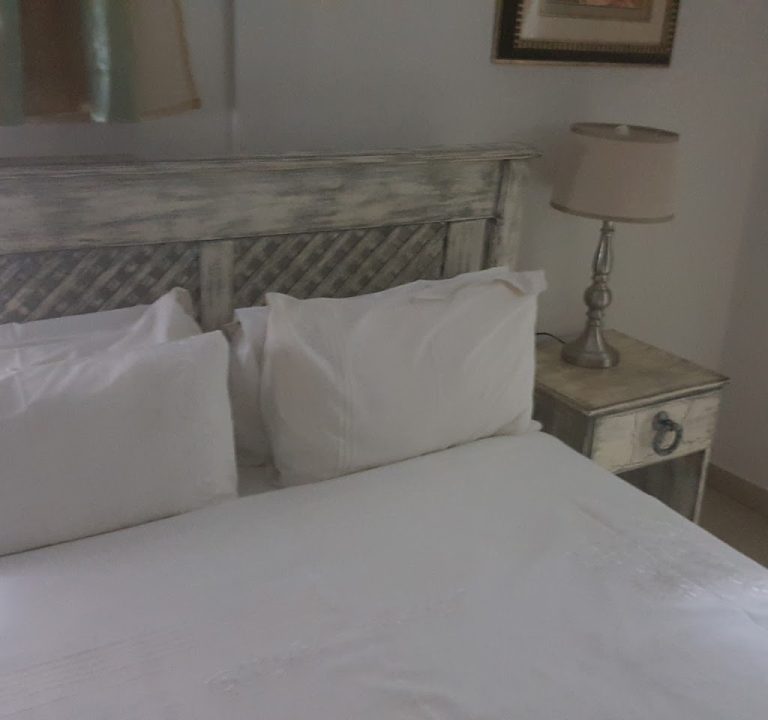
When booking, think about a few practical factors. Room configuration (single, double, or family setups) and whether an on‑site restaurant or bar is available can influence your daily rhythm. Check parking arrangements if you’re hiring a vehicle, as well as accessibility features if required. A reliable Wi‑Fi connection, air conditioning for warmer months and sufficient shade or cooling options for the heat are common priorities in this region. If you’re travelling for business, you might value quiet workspaces and flexible check‑in times; holidaymakers often look for outdoor spaces, such as balconies or courtyards, and easy access to outdoor activities.
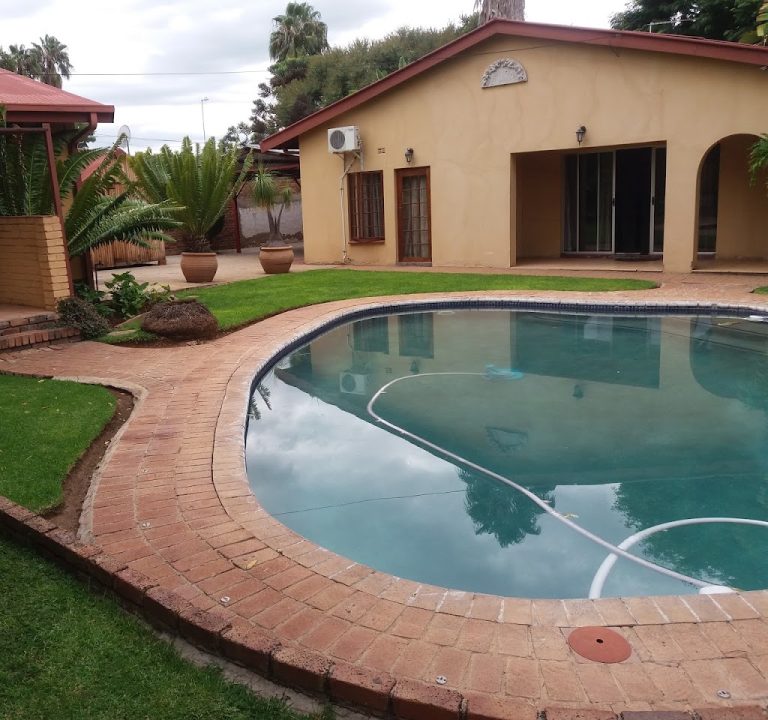
Typical amenities across Polokwane’s accommodation scene include secure parking, housekeeping, and options for breakfast or half‑board stays. Many properties offer guest lounges, gardens or terraces, and some feature pools or shaded outdoor seating areas—ideal for relaxing after a day exploring the province. Families often appreciate multi‑room layouts, child‑friendly facilities, and kitchens or kitchenettes in self‑catering units. For travellers seeking convenience, a property with 24‑hour reception, concierge services, or organised activity bookings can save time and add value to the trip.
Getting around Polokwane is straightforward with a private vehicle, and several suburbs are well connected by local roads. If you don’t plan to drive, check whether your accommodation offers transfers to key attractions or can assist with reliable taxi services. Public transport options exist, but schedules can be less predictable than in larger cities, so some planning is wise. Distances within the city are manageable for easy day trips, and many visitors use a base in the city while exploring nearby reserves, cultural sites and markets.
The best time to visit Polokwane depends on what you want from your trip. The dry season, typically from May to September, brings milder days and cooler evenings, making it pleasant for outdoor activities and city sightseeing. The wet season ushers in June to November showers, which can bring lush scenery and fewer crowds in certain attractions, but potential afternoon showers. For game viewing and nature experiences, early mornings and late afternoons are often the most rewarding times, regardless of the season. Pack versatile clothing for warm days and cool evenings, together with sun protection and a light rain jacket.
Attractions in and around Polokwane present a balance of culture, history and nature. You might spend time exploring museums or heritage sites that tell local stories, as well as parks and nature reserves offering birdwatching and short bush walks. A visit to nearby cultural centres or traditional villages can provide insights into Limpopo’s rich heritage. For those who enjoy markets and casual dining, allow time to explore street stalls, local eateries and cafés where you can sample everyday favourites and regional flavours in a relaxed setting.
When planning meals, you’ll find a mix of on‑site dining, nearby eateries and simple take‑away options. Restaurants around accommodation clusters frequently present a core menu featuring contemporary South African dishes, with emphasis on fresh ingredients and regional produce. If you’re unsure about dietary needs, ask staff for recommendations on local options and nearby cafés that offer flexible choices. For a comfortable evening, many properties provide a lounge or bar area where guests can unwind with a light meal or a drink after a day of sightseeing.
To help you get the most from your stay, here are a few practical tips:
- Book accommodation with clear cancellation terms and confirm what meals are included to avoid surprises.
- Look for properties that provide secure parking and easy access to important routes for day trips.
- Consider a flexible itinerary that balances indoor, outdoor, and cultural activities to suit weather and energy levels.
- Ask about guided or self‑guided excursions offered by the property, such as nature walks, wildlife spotting, or heritage tours.
Polokwane presents a friendly, welcoming base from which to explore Limpopo’s northern vistas, while still enjoying the comforts of well‑appointed accommodation. Whether you prioritise a restful retreat, a convenient city stay, or a launching point for wildlife adventures, planning with the right location, amenities and transport in mind will help you craft a satisfying and memorable visit. For those seeking a local flavour, choose an establishment that blends comfortable rooms with thoughtful touches and easy access to the city’s amenities and nearby natural attractions.