Accommodation and experiences in Polokwane, Limpopo: plan your stay and enjoy the city
Polokwane, the capital of Limpopo, offers a diverse range of places to stay that suit travellers from backpackers to those seeking more comfortable guesthouses or boutique hotels. When planning a visit, consider the layout of the city to maximise your time. The central area provides convenient access to shops, markets, and some cultural sites, while quieter neighbourhoods on the outskirts can offer a calmer base close to nature reserves and game experiences. By choosing the right area and understanding what to look for in a booking, you can tailor your itinerary to fit a relaxed weekend or a longer exploration of the region.
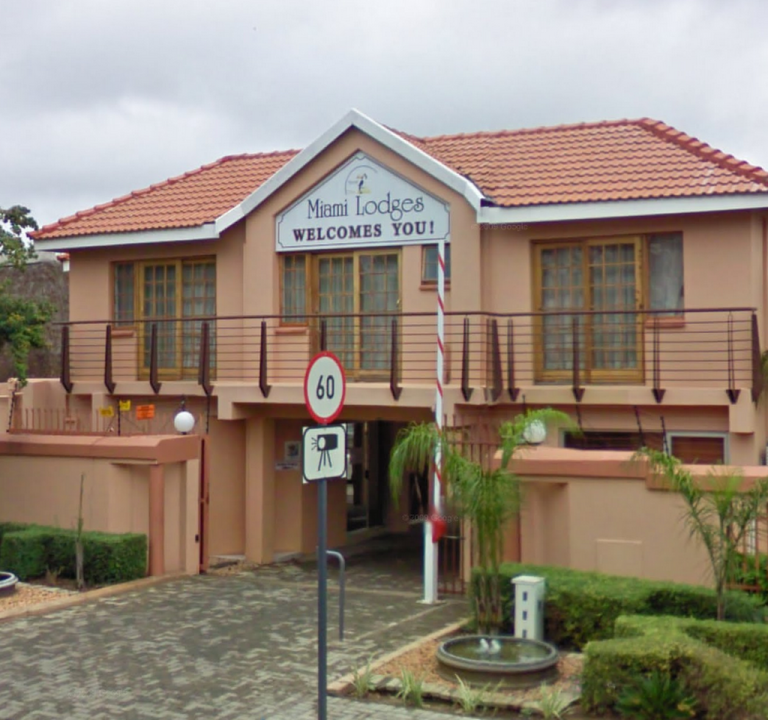
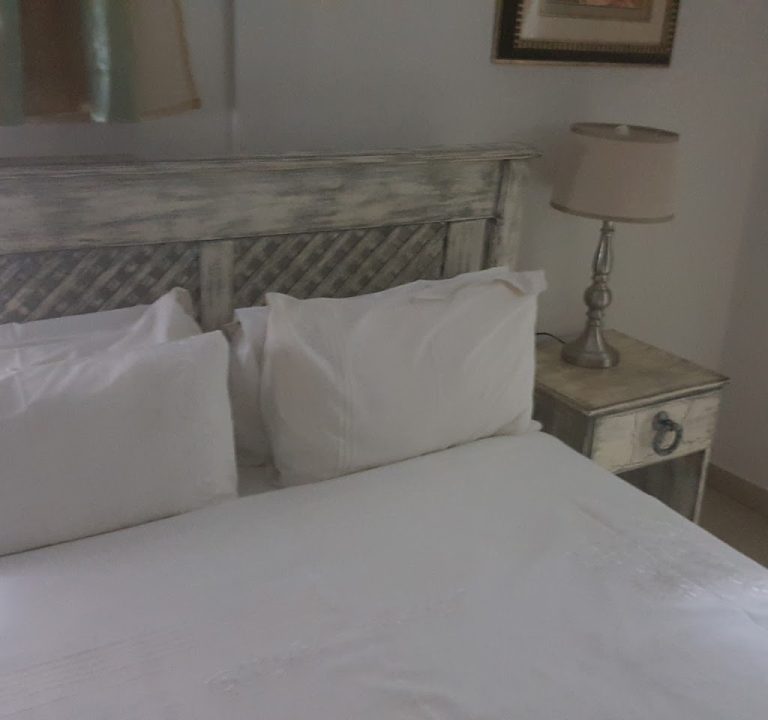
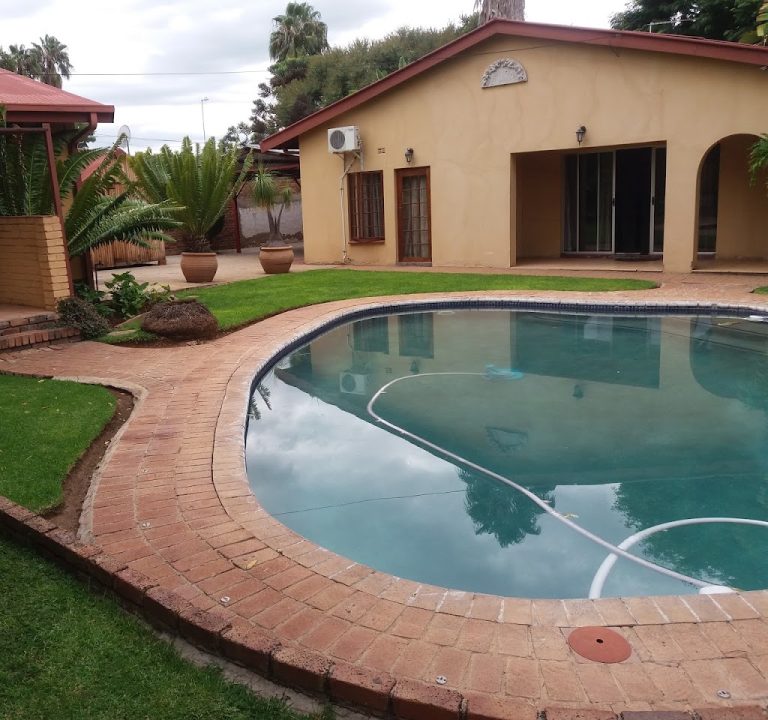
Accommodation options span guesthouses and B&Bs, self-catering units, lodges on the edge of town, and traditional hotels. A guesthouse or B&B often provides a friendly, home-from-home atmosphere with locally sourced breakfasts and knowledgeable hosts who can recommend day trips and routes. Self-catering flats and apartments give flexibility for families or groups, with easy access to kitchens, parking, and public transport links. For travellers seeking a bit more privacy or a boutique feel, smaller lodges on the outskirts may offer spacious rooms, private verandas, and a pooled outdoor area. When selecting a property, look for a clear description of room types, private bathrooms, available parking, and whether meals are included or available on request.
Typical amenities worth noting include air conditioning or fans for the warm Limpopo climate, reliable Wi‑Fi, secure parking, in-room safes, and easy access to laundry facilities. If you plan to self-drive or tour by car, confirm that the property has on-site parking and easy entry in and out of the area. Some properties may offer airport transfers or organised tours, which can be convenient for first-time visitors. When travelling with children, enquire about family rooms, baby cots, and the availability of child-friendly spaces. For longer stays, check whether there are on-site kitchens or kitchenettes, and whether there are communal lounges or outdoor spaces to relax after a day of sightseeing.
Practical considerations can help you choose the best base. Polokwane is well served by road connections and has a modern regional airport, making fly-and-drive trips practical. If you plan day trips to nearby wildlife areas or nature reserves, staying near the outskirts can shorten transfers and maximise daylight hours. Conversely, staying in the central area can cut transit times for sightseeing within the city itself and for dining out in the evening. Accessibility for travellers with mobility needs is an important question to ask during booking, so check entrances, lifts, and the availability of ground-floor rooms if required.
Best time to visit Polokwane depends on your interests. The region enjoys a warm climate for much of the year, with the rainy season typically in the summer months. If you prefer outdoor activities without heavy heat, consider late spring or autumn. For wildlife viewing, you might find early mornings or late afternoons more rewarding, when temperatures are cooler and animal activity is higher. If you are visiting for cultural experiences, align your trip with local markets or seasonal events, and allow some downtime to simply wander the friendly streets and markets that characterise Polokwane’s growth as a regional centre.
Getting around the city and its surrounds is straightforward with a car, taxi services, and ride‑hailing options. If you are self-driving, plan your routes in advance and check road conditions, especially after rain, as some secondary roads can become challenging. For those relying on public transport, ask your host or guesthouse front desk for maps and current guidance on the most convenient routes to attractions, shopping areas, and dining districts. A well‑planned stay often includes a balance of rest days at your accommodation and a couple of organised or self‑guided explorations, so factor travel time into your daily plans.
Attractions and experiences in and around Polokwane are varied. You can expect a blend of nature, culture, and leisure opportunities. Typical options include visits to regional wildlife reserves and nature trails, parks for a relaxed afternoon, and opportunities to learn about local crafts and cuisine at markets or small cultural centres. Dining in Polokwane ranges from casual eateries serving hearty regional dishes to more refined restaurants that offer contemporary twists on local flavours. When planning meals, you will generally find options to suit different budgets, with emphasis on generous portions and ingredients sourced from the surrounding Limpopo countryside.
To make the most of your stay, keep a few practical tips in mind. Book accommodation with flexible cancellation terms where possible, especially in peak travel periods. Read recent guest reviews to gauge cleanliness, responsiveness, and overall comfort. Confirm airport transfer availability if you prefer not to hire a car from the outset. Pack sun protection, a light layer for cooler evenings, and comfortable walking shoes for markets and parks. And, most importantly, leave some room in your itinerary for spontaneous discoveries—Polokwane’s streets and eateries reward curious travellers with friendly welcome and a sense of place that extends beyond the usual tourist trails.
- Check the area that best suits your plans: central convenience versus quiet outskirts for nature access.
- Ensure the property lists clear amenities, parking, and meal options.
- Ask about transfers, accessibility, and family‑friendly facilities in advance.
- Plan a mix of guided and self-guided activities to maximise flexibility.
For further information and ideas on planning a stay in Polokwane, you can explore regional tourism resources and local guesthouses’ websites to compare options and read up-to-date guides. A well‑chosen base will help you unwind after your travels and give you a comfortable start for exploring the wider Limpopo region.