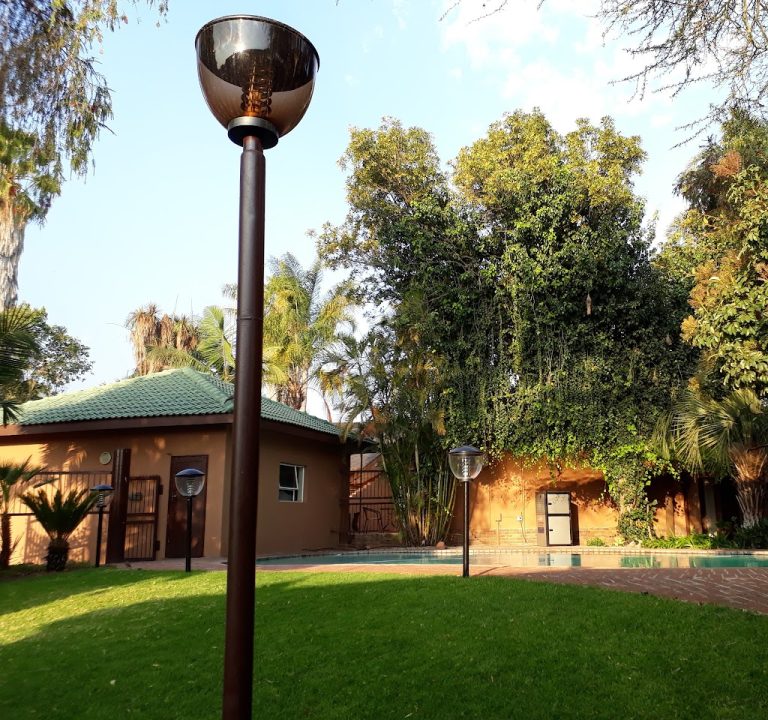
Accommodation and Experiences in Polokwane, Limpopo: Planning Your Stay
Polokwane, the capital of Limpopo, blends urban convenience with easy access to South Africa’s rich natural landscapes. When planning a stay, consider the city’s diverse neighbourhoods, where lodging ranges from boutique lodges to comfortable guesthouses and self‑catering apartments. Each area offers its own vibe and advantages, helping you tailor your trip whether you are in Polokwane for business, a family break, or a wildlife excursion in the surrounding region.
Central Polokwane, often referred to as the CBD, is ideal for visitors who want to be close to shops, restaurants and the cultural pulse of the city. It is a practical base for first‑timers, offering straightforward access to taxis and ride‑hailing services. For a quieter stay with easy access to residential charm, look to northern suburbs such as Bendor or Fauna Park, where lodges and guesthouses frequently sit behind secure gates and offer a more relaxed pace after day trips. The western and southern suburbs present additional lodging options, often with extended‑stay facilities and easy parking, which can be convenient if you are hiring a car for day trips further afield.
When selecting accommodation, consider the following practical factors. Location and accessibility: check how close you are to main roads, the airport route, and public transport hubs. If you plan to explore beyond Polokwane, a property with parking or easy access to major highways can save time. Ambience and style: Polokwane offers stylish boutique properties and more traditional guesthouses. Decide whether you want modern amenities, a pool, or a garden setting. Space and privacy: family groups may prefer self‑catering units or larger suites, while solo travellers might opt for compact rooms with a private entrance. Staff and service: larger lodges may offer on‑site dining and guided excursions, whereas smaller guesthouses often prioritise personalised attention and local insights.
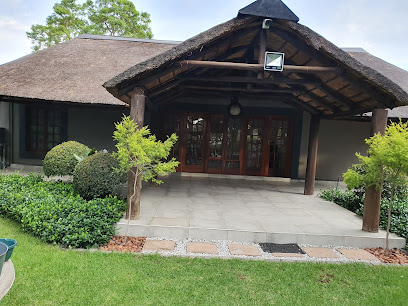
Typical amenities to look for include reliable Wi‑Fi, air conditioning or ceiling fans, secure parking, quiet rooms, daily housekeeping, and access to a kitchenette or coffee facilities. If you value cuisine without leaving the property, ask about on‑site dining, or whether help with arranging dinner recommendations is offered. A comfortable outdoor area or pool can be a welcome retreat after a day of sightseeing. For families, ask about child‑friendly spaces, cots, and independent laundry facilities. Rustic Rest Luxury Accommodation can be a reference point for the level of comfort and attentiveness that many visitors seek in the area, though always verify current facilities with the property directly before booking.
Transport in Polokwane is practical for most travellers with a car, common in many tourist stays. If you do not drive, check whether your chosen lodging provides airport transfers or shuttle services into town. Taxis and ride‑hailing services are generally available, and some accommodations offer organised tours or day trips to nearby attractions. Consider planning a few fixed days and leaving room to stroll the city centre, where markets, craft shops and cafés can be rewarding to explore on foot or by short taxi rides.
The best time to visit Polokwane is influenced by climate and activities. The region enjoys warm summers and cooler winters. Visitors often favour the dry winter months for wildlife and outdoor exploration in surrounding reserves, with less humidity and more predictable travel conditions. Spring and autumn offer comfortable temperatures for city sightseeing and outdoor dining. If you are aiming to visit neighbouring reserves or nature reserves, plan in advance during peak travel periods to secure preferred accommodation options.
For planning purposes, think about experiences that suit your interests rather than chasing a single “must‑see.” Polokwane offers a mix of cultural heritage, parks and nature, and a range of dining options that celebrate local ingredients. Expect open‑air museums that reveal Northern Sotho heritage, small art galleries, and markets where handcrafted goods are showcased. In general terms, much of the appeal comes from engaging with local life—spending an evening in a relaxed restaurant district, exploring leafy streets, and using a central base to day‑trip to nearby landscapes. When booking, confirm access to guest services such as maps, local tips on safe neighbourhoods, and the possibility of late check‑in if your travel schedule involves late arrivals.
Sample planning checklist for a balanced stay:
- Choose accommodation in a convenient area (CBD for walking access; northern suburbs for a quieter stay).
- Confirm amenities you require (Wi‑Fi, parking, kitchenette, pool, daily housekeeping).
- Check transport arrangements (car hire vs. transfers, proximity to major routes).
- Plan a mix of city experiences and nature excursions.
- Look into dining options and whether on‑site meals are available.
When it comes to dining, Polokwane’s restaurant scene offers relaxed neighbourhood venues and more formal eateries. Most establishments provide a mix of local flavours and international dishes, with an emphasis on fresh ingredients. It is wise to sample a few different settings—casual cafés for breakfast and lunch, and bistros or family‑friendly venues for evening meals. Always consider making reservations during peak periods to avoid disappointment, especially on weekends or public holidays when the city attracts visitors for events and markets.
To plan your stay, consult reputable accommodation listings and the official tourism pages for Polokwane and Limpopo. They can provide up‑to‑date information on properties, access to attractions, and seasonal guidance. A well‑chosen lodging in Polokwane can serve as a comfortable base from which to discover the region’s openness, warm hospitality and the gateway it offers to the broader Limpopo landscape. Use a trusted source to confirm current facilities and any seasonal notes before confirming your booking.