Polokwane: A Traveller’s Guide to Accommodation, Attractions and Local Experiences
Polokwane, the capital of Limpopo, offers a friendly base from which to explore Northern South Africa. The city combines modern lodging with easy access to nature reserves, cultural experiences and a lively dining scene. When planning a stay, think about which area suits your pace, what amenities you value, and how you’ll move around to make the most of your time in this part of the country.
Areas to consider for accommodation
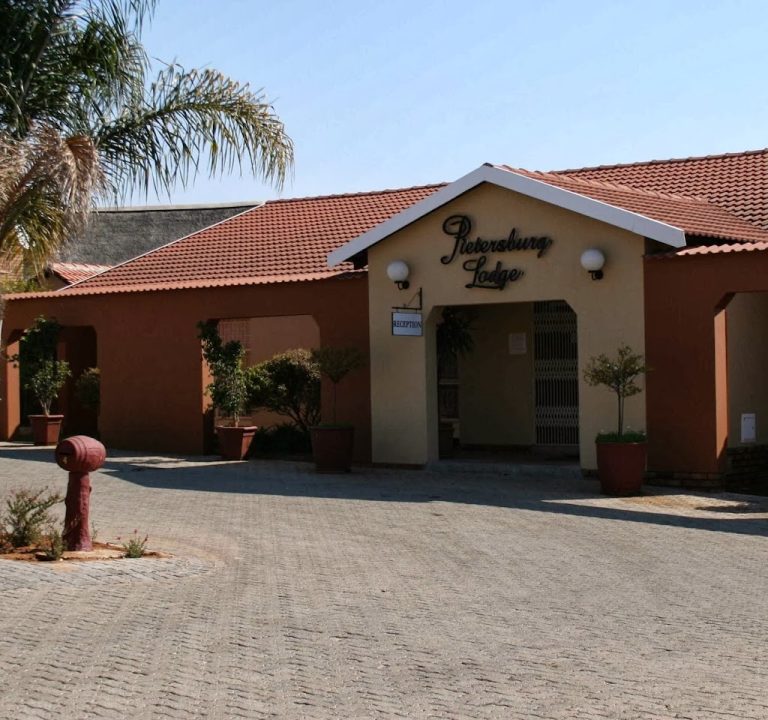
The central business district and its immediate surrounds are convenient for guests who want to be within walking reach of shops, markets and eateries. A few minutes’ drive away you’ll find quieter residential neighbourhoods that still offer easy access to the city’s attractions and to the ring road that leads out toward game reserves and more extensive nature routes. If you’re seeking a resort-style stay or a guesthouse with a garden setting, consider suburbs with easy drive-to access to the airport and major highways. Those arriving by road often favour lodges and boutique hotels on the city’s outskirts, where parking is plentiful and dinner options range from casual bistros to refined dining rooms.
What to look for when booking
Key factors include location relative to your planned activities, parking availability, and the level of service you expect. Look for guesthouses or hotels that offer secure parking if you’re hiring a car, and check reviews for consistency in housekeeping and quietness. If you’re visiting during peak season for safaris or events, book well in advance to secure preferred room types or balconies with city or garden views. Consider whether the property offers continental breakfast, on-site dining, or kitchen facilities if you prefer self-catering. Accessibility features, room configurations for families or groups, and reliable Wi‑Fi are practical items to confirm ahead of arrival.
Typical amenities you may encounter
Many Polokwane stays provide a mix of modern conveniences and local character. Common amenities include air conditioning, private en-suites, room safes, and daily housekeeping. On-site examples may feature reception that can assist with taxi calls or local information, a restaurant or café, a swimming pool, and outdoor seating areas. Some properties offer laundry services, luggage storage, and tour assistance for day trips to nearby attractions or nature reserves. If you’re planning longer stays, look for apartment-style units or suites with kitchenettes, which add flexibility for meals and snacks between explorations.
Getting around and practical transport tips
Polokwane has a growing transport network, with taxis, ride-hailing services, and car rental as common options for visitors. If you plan to explore beyond the city, hiring a car provides the most freedom to visit wildlife reserves, surrounding villages, and markets at your own pace. The city is well connected by road to the Limpopo countryside, but some nearby attractions are spread out. For short trips, a taxi or rideshare can be convenient; for full-day excursions, a pre-arranged driver or guided tour may be more efficient and informative.
Best time to visit
Polokwane benefits from a subtropical climate with warm summers and mild winters. The dry season, typically from May to September, can be very pleasant for outdoor activities and city walks, with cooler evenings ideal for dining out or evening strolls. The rainy season, usually rising from November to March, brings lush landscapes and occasional afternoon showers, which can add drama to a day of sightseeing. If you’re aiming for wildlife experiences in the broader region, plan your trip when waterholes are likely to attract plains game and when hospitalities and reserve operations are at their most welcoming.
What to do: attractions and local experiences (in general terms)
Within Polokwane and the surrounding area, you’ll find a mix of culture, markets, and access to wildlife. The city serves as a hub for day trips to nearby nature reserves where seasoned guides can offer sightings of antelope and other savannah species. Museums and cultural centres in the city give insight into regional history and crafts, while markets and public spaces showcase local cuisine, produce and handmade goods. For entertainment, you may come across family-friendly venues, open-air theatres, and occasional live music events at various venues around town. A well-known leisure and entertainment complex in the area offers a combination of dining, gaming or family-friendly activities and can serve as a convenient anchor for an evening out or a relaxed day indoors.
Dining and local gastronomy
Dining in Polokwane ranges from casual eateries to more refined establishments, often featuring familiar comfort foods alongside bold, regional dishes influenced by local ingredients. When planning meals, consider trying a mix of relaxed cafés, fruit-and-vegetable markets for fresh produce, and a couple of dining rooms that specialise in South African flavours. Many accommodation providers will offer recommendations for nearby dining options, including local favourites and venues with outdoor seating for warm evenings. If you’re on a flexible itinerary, you might combine a day exploring markets with a dinner that highlights seasonal ingredients and regional produce.
Practical tips
- Book accommodation with flexible cancellation policies where possible, especially if your plans may change due to weather or events.
- Check whether the property offers secure parking and reliable Wi‑Fi, particularly if you plan work or streaming from your room.
- Confirm bed configuration in advance if you are travelling with children or a group, and ask about room quietness if you’re sensitive to street noise.
- Plan at least one day for a short excursion into the surrounding countryside or reserves to experience the broader Limpopo landscape.
- Respect local customs and ask hosts or staff for guidance on safe areas to visit after dark.
For travellers seeking a balanced stay in Polokwane, the mix of comfortable accommodation, accessible transport options, and a gateway to natural and cultural experiences offers a practical base for discovering Limpopo. Whether you’re here for business, a family break, or a nature-filled escape, planning ahead and choosing a well-located base will help you make the most of your time in this welcoming part of South Africa.