Polokwane: Accommodation, Attractions and Practical Planning for Visitors
Polokwane, the capital of Limpopo, offers a welcoming base for travellers exploring northern South Africa. The city blends modern conveniences with easy access to nature, culture and the outdoors. Whether you are seeking boutique stays, full-service hotels or comfortable guesthouses, you’ll find options that suit different budgets and styles. Planning a stay in Polokwane often means weighing location against transport links, amenities and access to nearby attractions, which range from nature reserves to cultural experiences and dining that showcases regional flavours.
When choosing where to stay, consider the areas you might favour. The central business district provides convenience for travellers who want quick access to shops, restaurants and offices, plus shorter drives to key sights. Suburban pockets around Polokwane offer quieter evenings, typically with easy parking and larger rooms, while some properties near the airport corridor are convenient for early departures or late arrivals. If you’re visiting with family, look for accommodation that offers family-friendly rooms, ample parking, and options like on-site dining or laundry facilities. For a more intimate experience, you may find charming guesthouses or boutique hotels that emphasise personalised service and local design.
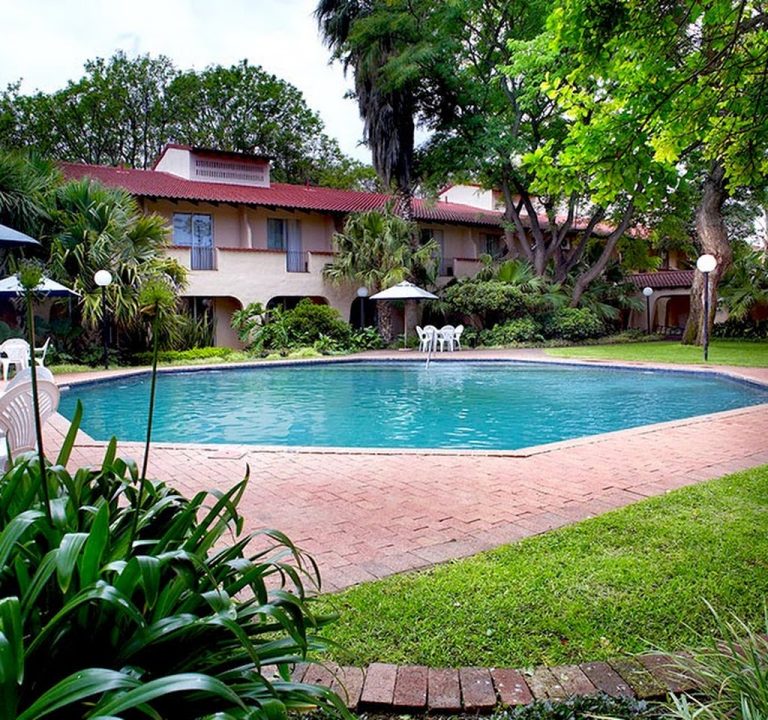
Typical amenities to look for include secure parking, reliable wifi, air conditioning or fans (Polokwane can be warm in the dry season), a swimming pool for cooling off, and a restaurant or room-service option on-site. Some properties offer breakfast included, which can simplify plans for busy days chasing wildlife sightings or meeting schedules. If you are travelling with pets, verify the property’s pet policy in advance. Accessibility considerations – such as steps, lifts, and accessible bathrooms – are worth checking if needed. Check cancellation policies and whether the rate displayed is a flexible or non-refundable option, especially during peak travel periods.
Transport in and around Polokwane is straightforward for most visitors. A hire car is often the most convenient way to explore beyond the city, with easy access to rural routes and nearby reserves. Taxis and ride-hailing options are typically available, but schedules can vary, so planning ahead is wise. If you plan day trips or early-morning excursions, verify that transfers or parking arrangements align with your itinerary. From the airport, pre-arranged transfers or taxis can simplify your arrival even when you are tired from travel. For those who enjoy cycling or a more leisurely pace, some areas around Polokwane offer scenic routes that can be explored at a gentle tempo.
Best time to visit Polokwane depends on your interests. The dry season, typically running through the winter months, can offer pleasant daytime temperatures and clear skies for outdoor activities and game viewing in nearby reserves. The rainy season brings lush landscapes and dramatic afternoon showers, which can be ideal for travellers who enjoy a greener backdrop and seasonal flora. If you are chasing cultural events or markets, plan your visit around local festival calendars and weekends when shops and eateries tend to be busiest. Be mindful of the heat in peak summer and ensure you stay hydrated and protected when exploring outdoor sights.
Attractions and experiences in the area span nature and culture rather than single attractions. Within a short drive you can find wildlife reserves and landscapes that invite wildlife watching, hiking, or peaceful picnics. The province’s museums and cultural centres offer glimpses into regional history, art and daily life. For a relaxed day, you might enjoy strolling through local markets, trying regional cuisine and chatting with hosts about their recommendations. Dining choices in and around Polokwane run from casual eateries to more polished restaurants where the focus is on fresh ingredients and modern takes on traditional flavours. If you prefer self-catering or staying in a hotel with a cafe-style option, most accommodations will provide either in-house dining or easy access to nearby places to eat.
Planning tips to make the most of your stay:
- Book ahead for peak travel periods and check if your chosen property offers flexible rates.
- Balance your days between light sightseeing in the city and longer excursions to the surrounding landscapes.
- Ask about transport options, parking, and how close you are to major roads or shopping centres.
- Consider properties that align with your preferred pace—urban convenience, quiet residential settings, or boutique hospitality with personalised service.
- Check for on-site amenities that matter most to you, such as a pool, restaurant, or dedicated business facilities if you’re travelling for work.
For further inspiration and practical planning, you can explore the official tourism and municipal resources for Polokwane and Limpopo, which provide maps, suggested itineraries and practical visitor information. A good starting point is the local tourism portal and regional guides, which often link to accommodation options across the city and its surrounding areas. If you’re researching specific stays, a few hotels or guesthouses may feature robust descriptions of their location, décor and guest services on their own official sites or trusted booking platforms. More general planning details, including transport routes and seasonal considerations, are typically available via travel resources and city guides.
Ultimately, Polokwane offers a comfortable base from which to enjoy Limpopo’s hospitality, nature and culture. With careful planning around area choice, key amenities and transport, you can craft a stay that suits your interests and pace—whether you arrive for business, family travel, or a relaxed explorer’s break. For more ideas, visit official resources and browse accommodation options that align with your travel style. For practical details and further planning, you can consult online guides and hotel partner sites at your convenience: https://www.polokwane.gov.za/ and related regional tourism pages.