Accommodation and Experiences in Polokwane, Limpopo: Planning a Comfortable Stay
Polokwane, the capital of Limpopo, offers a mix of welcoming lodges, guesthouses and modern hotels set against a backdrop of savanna landscapes, birdlife and close proximity to wildlife experiences. When planning a stay, consider both your preferred pace and the kind of setting that suits your group—whether you want a small, intimate guesthouse with personal touches or a larger hotel with on‑site facilities. The city also serves as a convenient gateway to the broader Lowveld and wildlife adventures that the region is known for.
Areas to consider when booking include Polokwane Central, which tends to be closest to shops, restaurants and the airport shuttle routes, ideal for guests who want convenience and easy access to business facilities. Suburbs like Meropa and Moregloed offer quieter residential vibes, often with larger grounds and a more relaxed atmosphere. Eastgate and Westenburg provide a balance of residential character with access to major roads and shopping centres. If you are planning day trips to nearby nature reserves or game reserves, a lodge or guesthouse with transport arrangements or flexible excursions can save time and hassle.
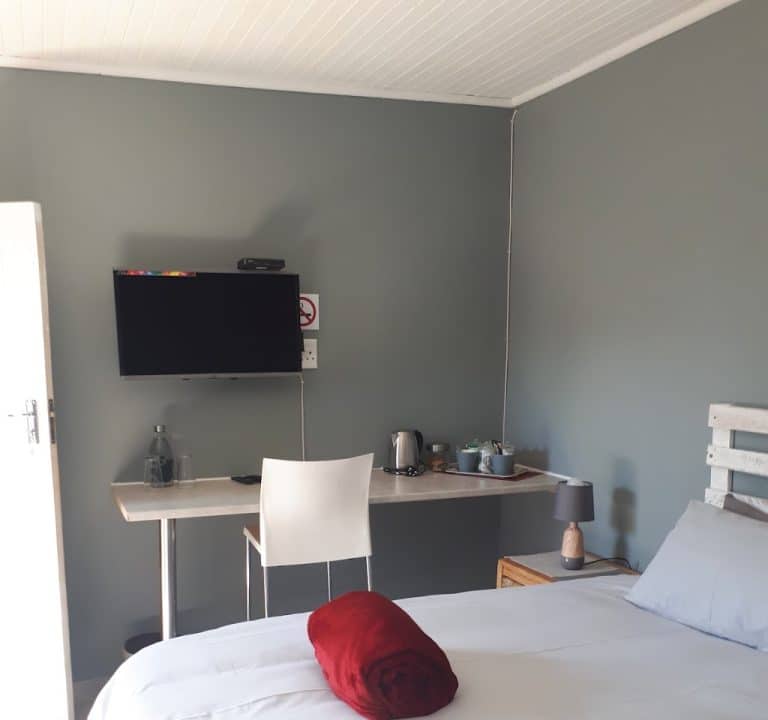
When choosing accommodation, look for a good balance of comfort and practicality. Key amenities to expect or request include reliable air conditioning or fans (important in the hot season), adequate on-site parking, secure access, and complimentary Wi‑Fi. A well‑equipped kitchenette or coffee facilities can be a real benefit for longer stays, while on‑site dining options save time for travellers with busy itineraries. If you are visiting during a busy period or with children, a space with a separate living area or a small garden can be a definite plus.
Practical planning tips to help you get the most from your stay:
- Check access times for reception and any curfews, especially if you plan late arrivals or early departures.
- Ask about airport or station transfers, as well as the availability of organised tours or guided excursions to nearby attractions.
- Inquire about laundry facilities or services if you are travelling longer-term or in family groups.
- Request information on nearby grocery stores, supermarkets and recommended dining options to save time on daily meals.
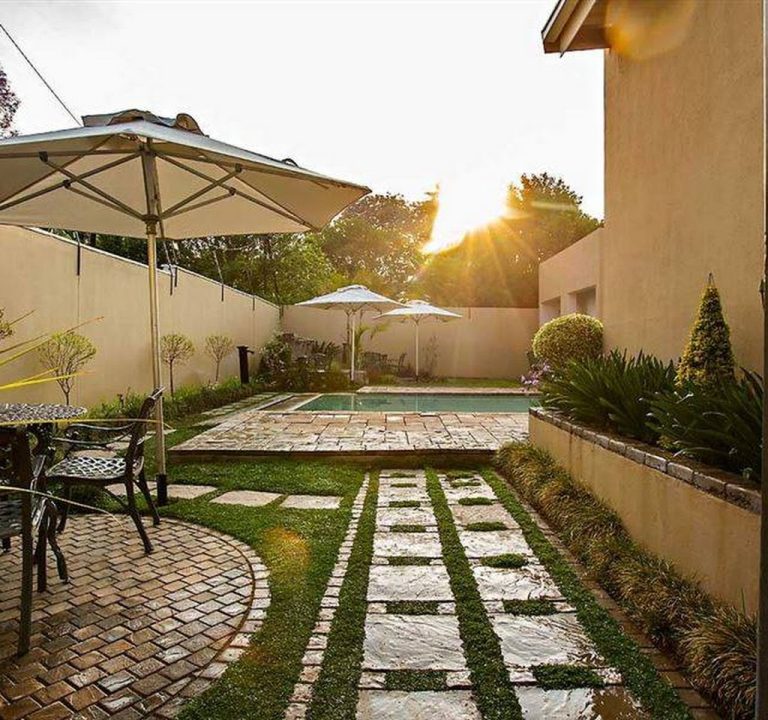
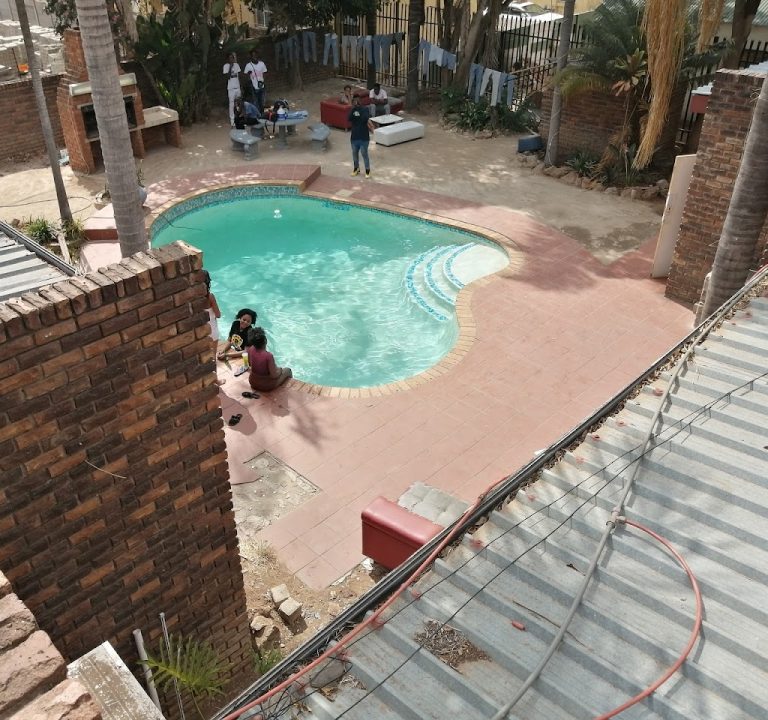
- Confirm whether pools, outdoor spaces or barbecue areas are available, particularly in family-friendly or self-catering properties.
Transport in Polokwane is practical for most visitors with a car or a hired vehicle. Renting a car offers the most flexibility for day trips to nature reserves, markets and wider Limpopo sights. Taxis and ride-hailing options can be convenient for short trips to town or dining out. If you are flying in, Polokwane International Airport handles domestic and regional flights, and many lodging options offer shuttle services or can arrange transfers upon request. From a logistical standpoint, central lodgings can reduce drive times, while outlying lodges can provide a quieter, more scenic base for wildlife‑watching and nature walks.
Best time to visit Polokwane tends to be during the dry season from late autumn through winter (roughly April to September). The days are typically sunny, with cooler evenings, making it comfortable for outdoor explorations and market visits. Summer brings warmer temperatures and the chance of afternoon showers, which can be ideal for those who enjoy lush landscapes and green surroundings, but plan for sudden rain and humidity. The town itself hosts markets and cultural events throughout the year, providing a window into local crafts, foods and daily life. Check local event calendars before you travel to catch any seasonal festivals or performances.
For accommodation in Polokwane, typical offerings span stylish boutique guesthouses, intimate lodges with gardens, and mid‑range hotels with essential amenities. Many properties champion a friendly, guest‑facing approach, aiming to make stays comfortable and convenient for both business travellers and holidaymakers. Expect features such as housekeeping, secure parking, and often seasonal referrals to nearby attractions. Some properties may provide self‑catering options or kitchen facilities, which can be particularly convenient for longer visits or family stays.
In terms of attractions and experiences, Polokwane serves as a practical base for exploring the broader Limpopo region. You can plan visits to nearby parks and wildlife reserves, enjoy scenic drives, or explore local markets and craft stalls to sample regional produce. The dining scene tends to reflect a mix of South African flavours, with casual eateries and mid‑range restaurants offering a range of dishes. For those who enjoy thoughtful, well‑paced itineraries, consider pairing a day in town with a countryside or wildlife day, allowing for a blend of urban convenience and nature immersion.
Booking tips to help secure the best value and most suitable stay:
- Compare cancellation policies and flexibility, particularly for travel in shoulder seasons when plans may change.
- Read recent guest reviews to gauge the reliability of Wi‑Fi, housekeeping and the responsiveness of hosts or staff.
- Ask about breakfast options and the availability of self‑catering facilities if you prefer a flexible morning routine.
- Consider the proximity of accommodation to your planned activities and the accessibility of transport routes for easy day trips.
- Look for inclusive pricing that covers essential services and avoids unexpected fees for parking or extras.
Whether your stay is business‑driven, a family break, or a longer urban retreat with wildlife day trips, Polokwane offers a welcoming base with a range of lodging to suit different needs. For further planning, you can explore tourism resources and hotel or guesthouse pages that provide practical guidance, driving directions and links to local experiences. A well‑chosen base in Polokwane can make your Limpopo visit feel relaxed, well‑paced and thoroughly enjoyable.