Polokwane in Limpopo: where to stay, what to do and practical planning tips
Polokwane, the capital of Limpopo, offers a welcoming blend of modern comforts, leafy neighbourhoods and easy access to South Africa’s Northern Cape and Lowveld corridors. A well-sited base for exploring the wider Lowveld, it suits travellers who want a relaxed city centre experience with convenient gateways to nature reserves, cultural sites and excellent South African cuisine. In Polokwane you’ll find serviced accommodation, guesthouses and self-catering options that cater to a range of budgets and trip styles, from short breaks to longer stays.
When planning where to stay, consider the area that best matches your itinerary and pace. The central area is handy for visitors who prefer walkable access to shops, cafés and supermarkets, as well as quick drives to local attractions. Suburban zones around Polokwane, including popular residential pockets, often provide a calmer ambience, larger properties and more privacy. For travellers who value easy access to regional routes or parks, a property near major highways or just off the city ring road can reduce daily driving time.
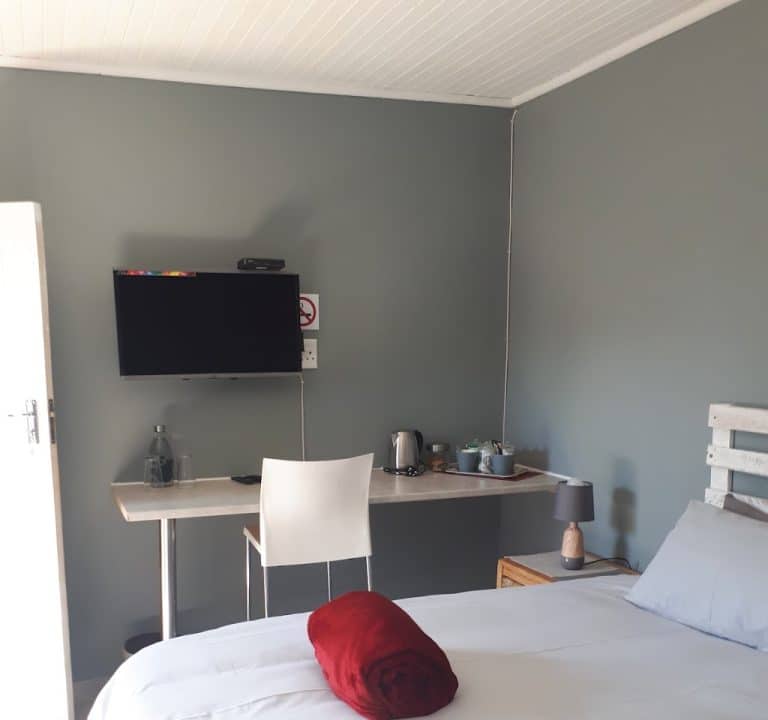
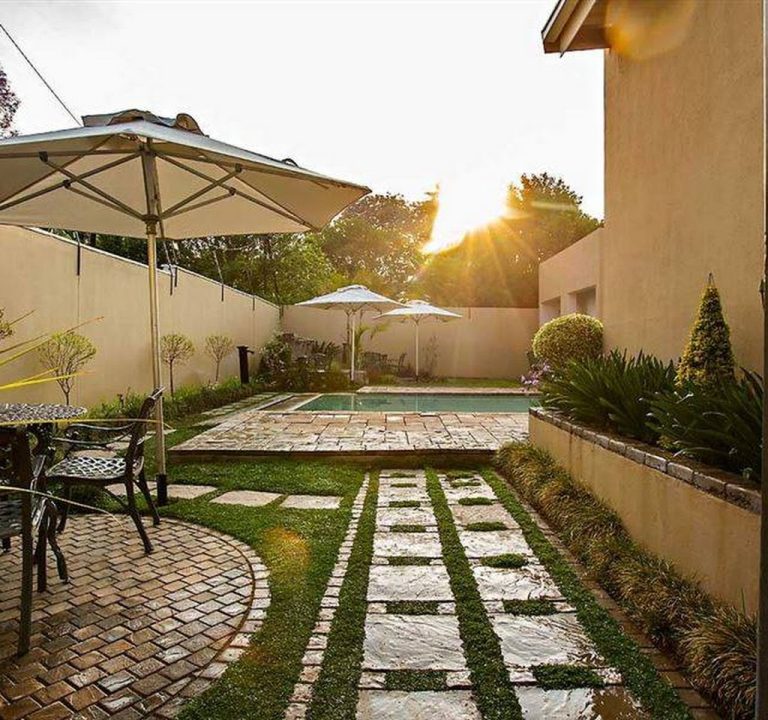
Typical accommodation offerings in Polokwane range from serviced apartments and boutique guesthouses to larger lodges on the city’s outskirts. Look for features that will keep you comfortable in a Limpopo climate: air-conditioned rooms for the hot months, reliable hot water, a well-equipped kitchen or kitchen facilities for self-catering, and reliable Wi‑Fi. A pool or shaded outdoor space is a bonus for afternoons spent relaxing after day trips. If you’re travelling with family or a group, a property with multiple bedrooms and flexible sleeping arrangements can be a practical choice. Basic but useful amenities to check include secure parking, 24-hour reception or on-site staff, and clear house rules or security provisions for guest safety.
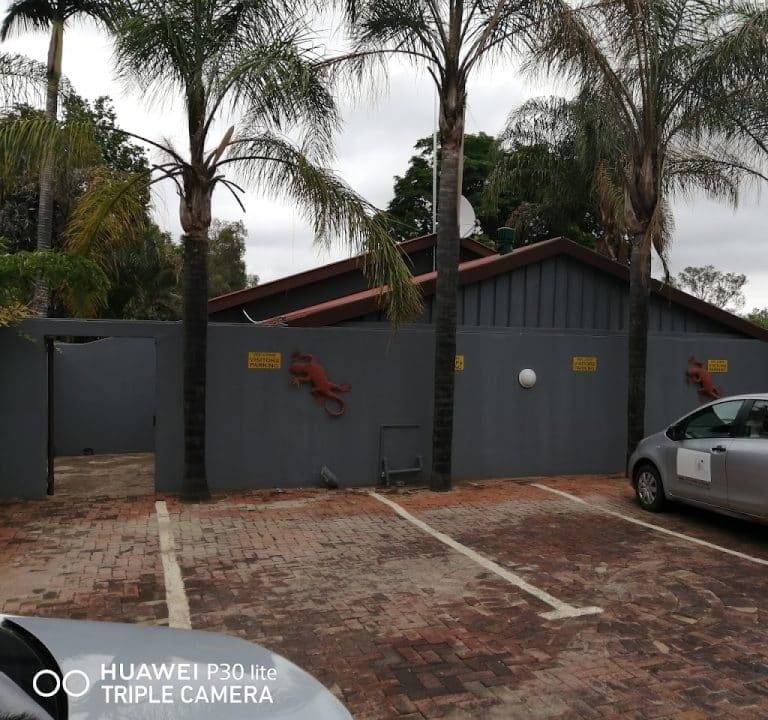
One example of serviced accommodation in Polokwane is AvoTree Private Accomodation, which offers an experience aligned with short- or longer-term stays in a convenient base for exploring the city and surrounding areas. You can learn more about this type of option and its location via the property’s website: https://avotree.business.site/.
Transport in Polokwane is generally car-reliant, and many visitors find renting a vehicle the most convenient way to move between attractions, dining spots and day trips. If you prefer not to drive, it’s worth checking whether your chosen accommodation can arrange airport transfers or local shuttle services, and whether there are reputable taxi or ride-hailing options nearby. Proximity to major arterials can cut travel times when you’re visiting multiple attractions in a day.
Timing your visit is also part of planning. The dry season, roughly May to September, tends to bring cooler days and very pleasant evenings, making it ideal for outdoor activities and city exploring. The wet season, from roughly November to March, can bring afternoon showers and humidity, which is great for those who enjoy lush landscapes and wildlife viewing, but plan for possible brief downpours and adjust outdoor plans accordingly. Consider local events calendars and market dates, which can add a memorable dimension to your stay but may require earlier booking for popular weekends.
Dining and experiences in Polokwane run from casual cafés and bakeries to more refined eateries offering a mix of local game, seafood and contemporary South African cuisine. Many visitor-friendly restaurants focus on fresh ingredients and regional flavours, and some venues provide shade-filled outdoor areas for pleasant evenings. While it’s wise not to rely on a single recommendation, you’ll typically find options that suit quick meals between activities, as well as venues where you can enjoy a relaxed dinner after a day of exploring the surrounding reserves and cultural sites. In addition to meals, consider experiences such as guided walks, cultural heritage visits and nature excursions that help you get a sense of the region’s history and landscapes.
Practical tips to help you book confidently and enjoy a smoother stay:
- Read recent guest reviews focusing on cleanliness, responsiveness of hosts, and the accuracy of property descriptions.
- Check for climate-appropriate amenities (air conditioning, fly screens where applicable, outdoor spaces).
- Confirm parking arrangements and security provisions, particularly if you will be out late or arriving after dark.
- Ask about power backup or emergency provisions, as service interruptions can occur in some areas.
- Clarify whether utilities such as washing facilities and kitchen equipment meet your needs for self-catering or longer stays.
- Inspect access to reliable Wi‑Fi if you intend to work during your trip or stream entertainment.
- Plan day trips with sensible driving times in mind—Polokwane serves as a gateway to nearby reserves and cultural sites, but roads can be busy at peak times.
To make the most of your stay, map out a balanced itinerary that blends city experiences with outdoor adventures. Start with a day or two in central Polokwane to explore parks, markets and a few heritage sites, then plan countryside excursions to nearby reserves or nature areas where you can spot birdlife and occasional wildlife in a relatively short drive. Allow time to enjoy a relaxed meal at a local restaurant or café, and perhaps a sundowner on a comfortable veranda or garden setting at your accommodation.
In sum, Polokwane offers a practical mix of serviced accommodation and guesthouses that cater to varied preferences, with options in or near the city centre and in quieter residential areas. When choosing where to stay, prioritise comfort-forward amenities, security and a plan that aligns with your intended activities—whether you’re after cultural encounters, nature escapes or simply a base from which to unwind after a day of exploration.