Accommodation and attractions in Polokwane, Limpopo: planning your stay and what to expect
Polokwane, the capital of Limpopo Province, offers a mix of comfortable lodges, guesthouses, boutique hotels, and modern conferencing venues. Whether you arrive for business, nature, or a relaxed city break, planning ahead helps you make the most of your time in this malleable gateway to the Highveld and the Northern Reserve. When booking, consider your preferred pace, how you’d like to get around, and the kind of atmosphere you enjoy—whether that’s tranquil garden settings, contemporary city facilities, or a lodge-style space with easy access to nearby attractions.
Areas to consider when choosing where to stay include central Polokwane for convenience, with proximity to shops, restaurants and the main thoroughfares, as well as northern and southern suburbs that may offer quieter streets and more self-contained lodging options. If you require easy access to business facilities or conferencing venues, look for properties that advertise on-site meeting rooms, reliable Wi-Fi, and convenient parking. For those chasing a more relaxed, nature-connected stay, consider lodges or guesthouses on the outskirts where greenery and less urban noise are part of the appeal.
Typical amenities to look for when booking include: comfortable en-suite rooms, air conditioning or fans for Polokwane’s warm months, free or easy parking, a good breakfast option, and secure access or reception. A reputable property may offer a small on-site restaurant or bar, a swimming pool, and guest lounge areas. For longer stays or families, check if rooms include self-catering facilities, such as a kitchenette or kitchenette-ready spaces. If you value flexibility, ask about late check-in policies and the possibility of arranging airport or railway transfers through the guesthouse or hotel, even if not advertised on the listing.
Transport and getting around Polokwane is straightforward but doing a little planning helps. The city is best navigated by car, with many attractions and dining options located within a short drive of central lodging. If you prefer not to drive, look for properties that can assist with airport transfers or local shuttle services. Public transport is available in the form of taxis and shared ride options, but a car offers the most freedom to explore beyond the city centre, including nearby wildlife reserves and nature trails.
When to visit Polokwane depends on your activities. The region enjoys warm to hot summers and mild winters. The dry season, typically from May to August, can be pleasant for outdoor outings and game drives nearby, with cooler evenings. The summer rains bring lush landscapes but can mean more humid conditions and occasional showers. If you plan outdoor activities or wildlife experiences, check local forecasts and consider your tolerance for heat or sudden showers when choosing dates and packing accordingly.
Practical planning tips for a smooth stay:
- Book ahead for peak periods such as holidays and conference seasons to secure your preferred area and property type.
- Ask about on-site security, parking arrangements, and guest accessibility to ensure peace of mind during your stay.
- Consider a property that offers flexible breakfast timing, as schedules may vary with departures for day trips or early meetings.
- Check nearby dining options and whether staff can recommend safe, walkable evening eateries or arrange reservations.
- Prepare for longer drives if you intend to visit surrounding natural areas or reserves—coordinate with your accommodation about driving routes and recommended day trips.
- Review cancellation policies and whether the rate includes taxes or service charges to avoid unexpected costs.
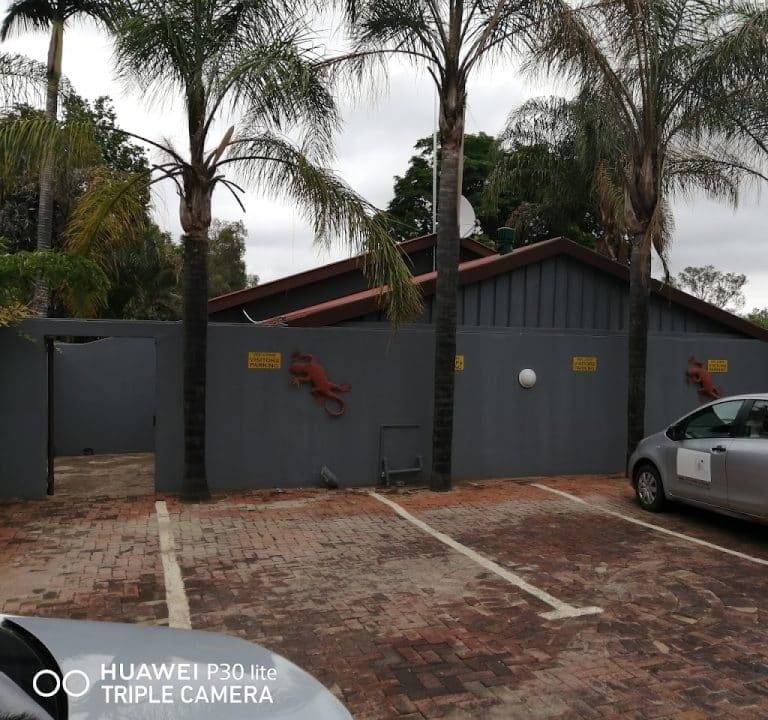
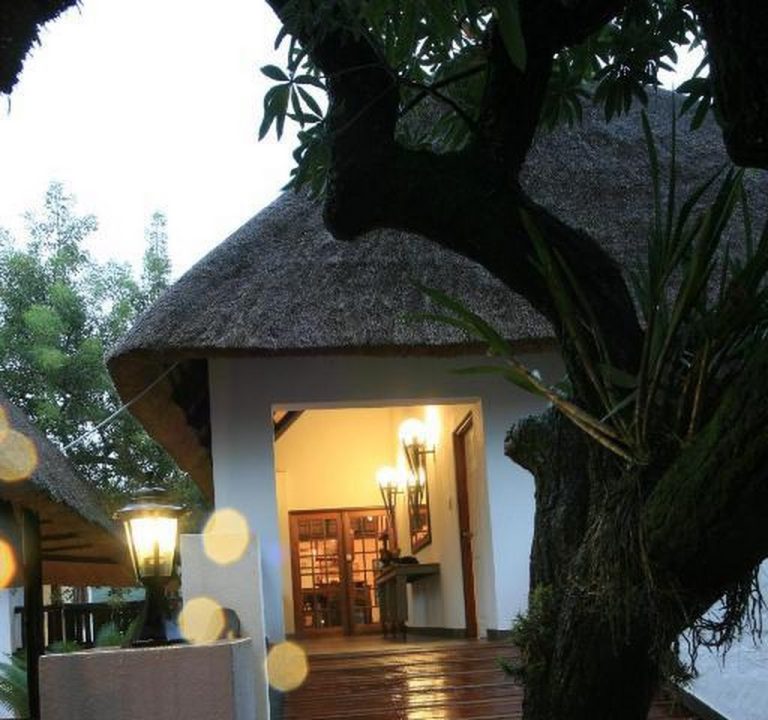
In terms of accommodation suggestions, Polokwane features a spectrum from compact guesthouses to larger lodges with conferencing facilities. One example you may encounter in this category is a lodge-style property that positions itself as both a lodging and conference centre, offering a calm base with the possibility of hosting meetings or events. If your plans include a business gathering or a small conference, you’ll want to assess the availability of meeting rooms, AV equipment, and on-site dining options, as well as the ease of parking for attendees. For a more intimate stay, a boutique guesthouse or a family-run lodge can provide a warmer, more personalised experience with smaller dining spaces and closer service.
When it comes to attractions and dining, Polokwane offers a blend of nature-based outings, cultural experiences, and casual dining scenes. Within a short drive, you can experience leafy parks, markets, and wildlife-related activities that showcase the region’s biodiversity. Dining options range from informal cafés to restaurants serving local and pan-African flavours. Plan a day to explore the city’s markets, stroll around green spaces, and then dine at a chosen venue that suits your mood and budget. It’s wise to leave some flexibility in your itinerary for spontaneous discoveries or recommendations from your host or property staff.
For further planning resources and up-to-date travel guidance, you may wish to consult Polokwane’s official information portals and tourism pages. These can provide practical maps, current events, and suggested itineraries to help you plan a balanced stay that combines accommodation, dining, and local experiences. Polokwane Official Website and broader South African tourism resources offer reliable background to help you tailor a visit that matches your interests and travel style.
In summary, Polokwane can offer a comfortable base for exploring Limpopo, with a range of lodging options that suit different rhythms of travel. By focusing on area, amenity, transport, and timing, you can build a stay that feels relaxed yet well organised, leaving room for both discovery and downtime. If you’re seeking a specific lodging experience—whether a compact guesthouse, a mid-range hotel, or a conference-friendly lodge—you’ll likely find options that align with your priorities while providing access to the city’s surrounding parks, eateries, and cultural spaces.