Polokwane, Limpopo: where a comfortable stay meets vibrant South African flavours and adventure
Polokwane (formerly Pietersburg) sits at the heart of Limpopo and serves as a gateway to the province’s savanna landscapes, wildlife encounters and rich cultural heritage. When planning a stay, many travellers start with the practical choice of location within the city and its outskirts. The central business district offers convenient access to shops, markets and dining, while the northern and western suburbs tend to provide quieter residential pockets, often with modern self-catering options and guesthouses that suit families, couples and solo travellers alike. The surrounding farms and rural routes also tempt visitors with tranquil settings just a short drive from the city’s amenities.
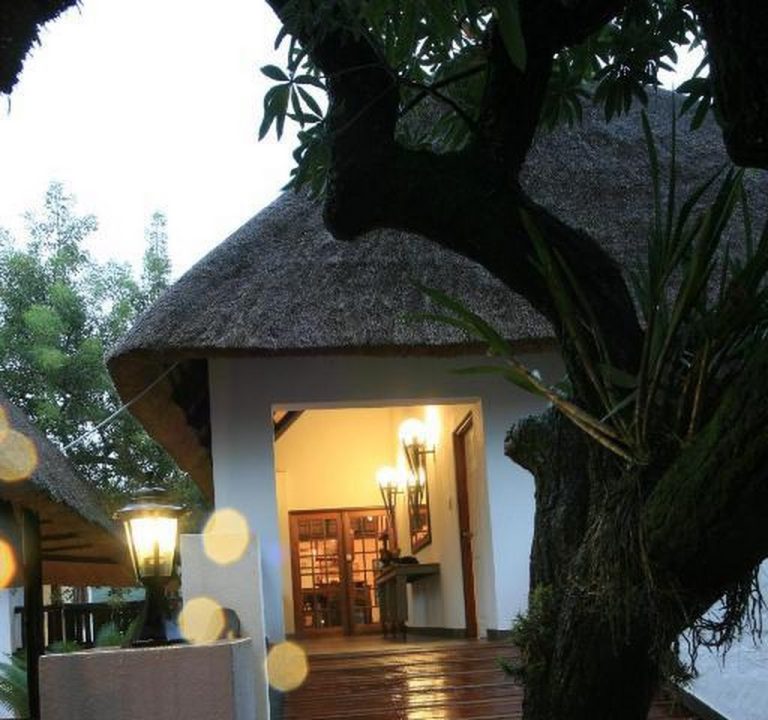
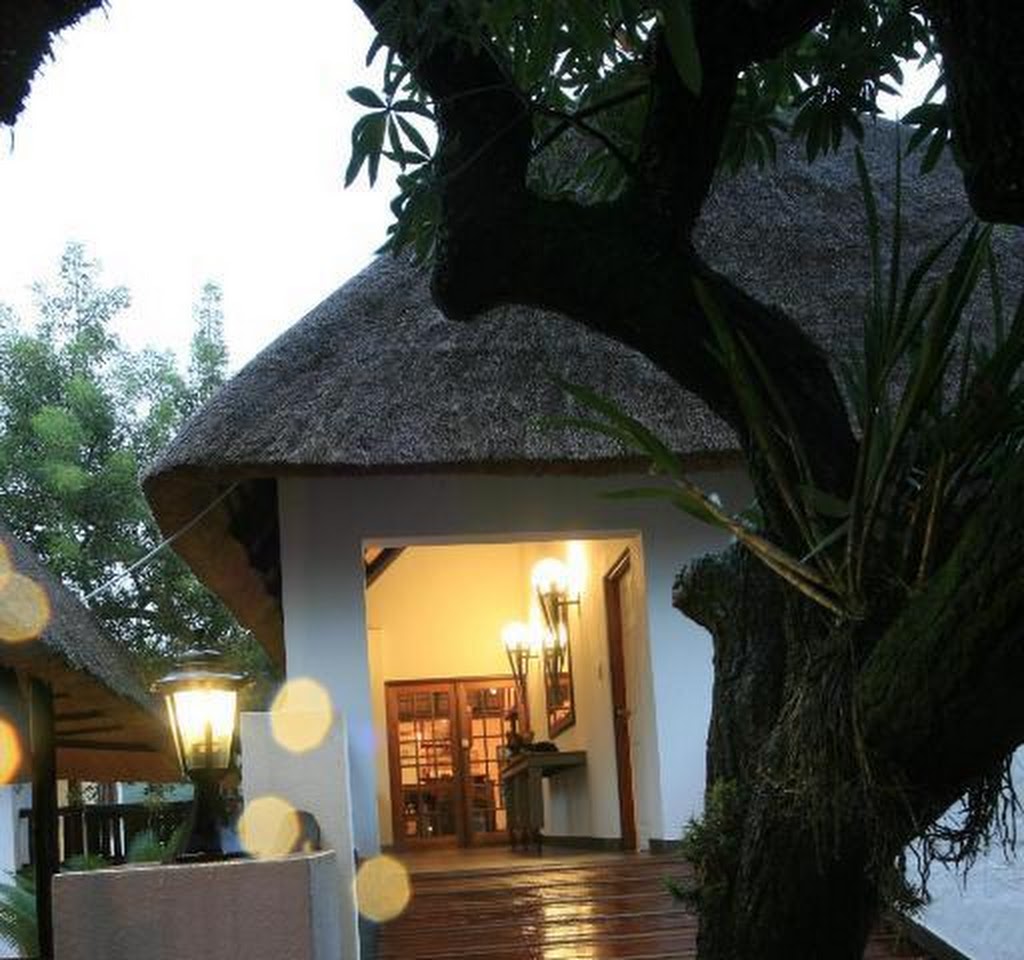
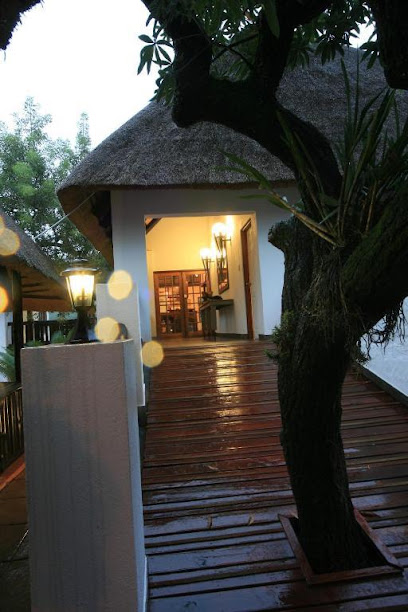
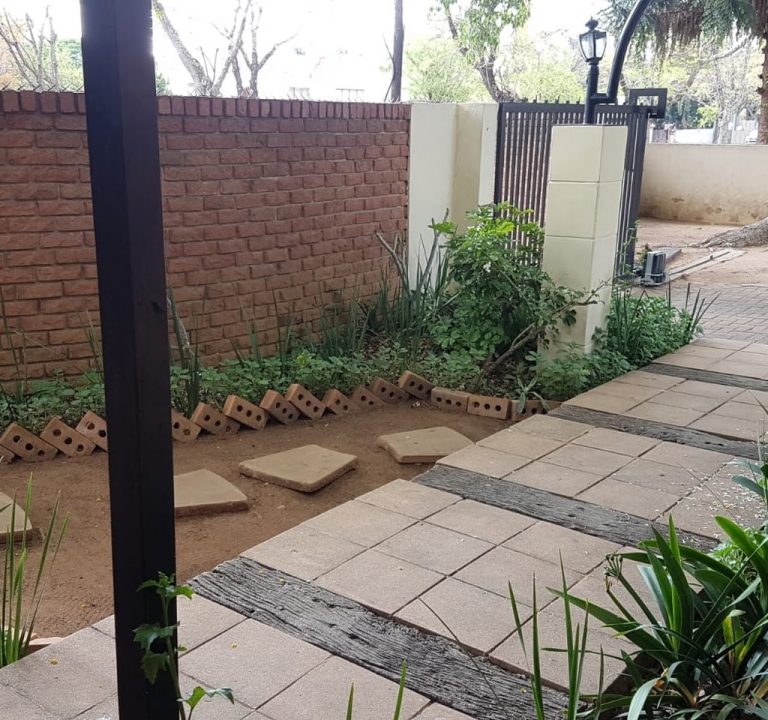
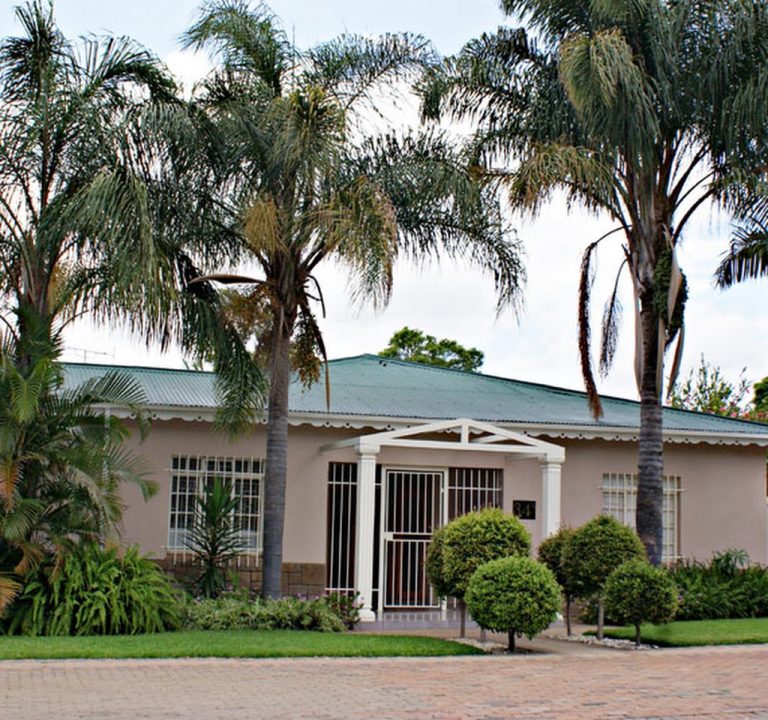
Accommodation in Polokwane ranges from compact guesthouses and self-catering units to mid-range hotels and boutique lodges. For families or longer stays, self-catering options near the city centre or in leafy suburbs can be ideal, providing the flexibility to prepare meals and come-and-go at your own pace. A reputable self-catering property such as Deekay Family Guest House, should you happen to come across it in your search, can illustrate the level of space and facilities you can expect in this part of the world. When choosing where to stay, consider room layouts, cleanliness, kitchen facilities, and whether a lounge or outdoor sitting area is available for those relaxed evenings after a day of exploration.
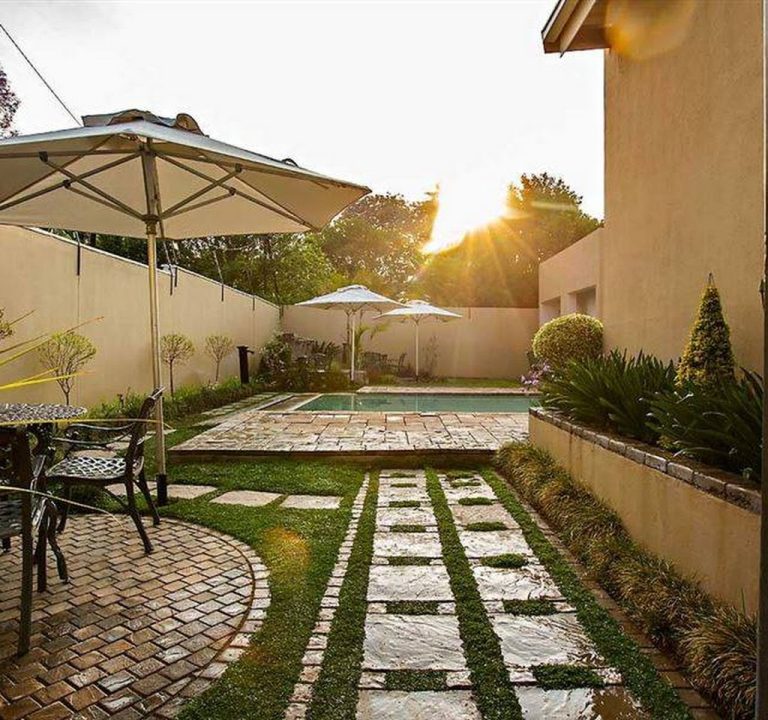
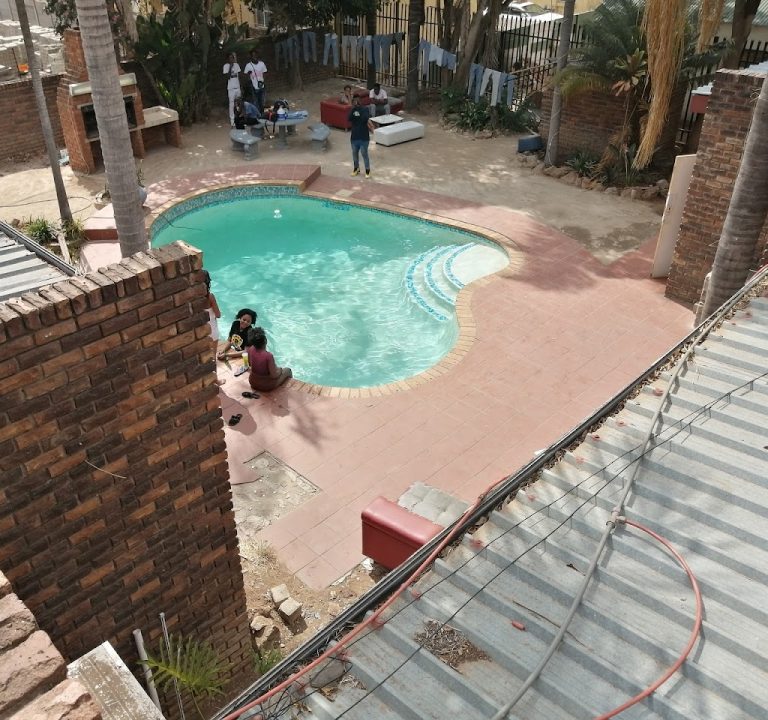
Typical amenities to look for include reliable Wi‑Fi, a well-equipped kitchen or kitchenette, air conditioning or fans (Polokwane can be warm in the dry season), secure parking, laundry access, and clear information on house rules or self-check-in arrangements. If staying in the city centre or a busy precinct, you’ll value easy access to shops, cafés and short drives to nearby attractions. For a more countryside feel, look for properties with gardens, braai (barbecue) zones and perhaps a pool to help cool down after sun-filled days.
Transport is a practical consideration. A private car is often the most convenient option for exploring Polokwane and its surroundings, especially if you plan day trips to nearby nature reserves or scenic drives along provincial roads. If you are not driving, check whether your accommodation offers an airport or city shuttle service or recommended taxi partners. In general, public transport within Polokwane is limited, so planning ahead with a rental car or organised tours can save time and add comfort to your stay.
When to visit Polokwane matters for both weather and experiences. The winter and early spring months (April to September) bring cooler, drier conditions that can be ideal for wildlife viewing on nearby reserves and for outdoor activities without the heavy rain. The hotter, rainy season (October to March) brings lush landscapes and more vibrant flora, but you may encounter afternoon showers and higher humidity. If your itinerary includes game viewing or exploring remote areas, aim for the dry season for easier mobility and better visibility of animals. Always pack sun protection, light layers for cooler evenings, and a basic rain poncho during the wetter months.
What to do and where to go, in broad strokes, includes a mix of cultural, natural and culinary experiences. Within the city, you can expect markets, art galleries, museums and spaces that reflect Limpopo’s diverse communities. Beyond the streets, there are nature reserves and parks where guided or self-guided walks reveal birds, wildlife and the wide-open skies that define the region. The dining scene tends to be warm and welcoming, with eateries offering hearty South African favourites and international dishes. It is sensible to explore a few neighbourhood spots to get a sense of local flavours and hospitality, rather than focusing on a single restaurant scene during a short visit.
Booking tips to guide your stay:
- Book in advance for peak travel periods, particularly around school holidays and long weekends, to secure preferred areas and self-catering options.
- Read guest reviews to gauge cleanliness, host responsiveness and the accuracy of listing descriptions.
- Clarify check-in times and whether self-check-in is available if your flights or transfers arrive late.
- Ask about parking arrangements, security features, and proximity to the places you plan to visit.
- Request a detailed outline of included amenities (kitchenware, laundry facilities, and any included meals or groceries).
Practical tips for a smooth stay include mapping out a rough day-by-day plan that clusters nearby activities to minimise road time. Pack a basic first-aid kit and a small security bag for day trips. Ensure you have a plan for cash and card payments, since some smaller outlets may prefer one or the other. If you are sensitive to the heat, staying hydrated and using sun protection is essential, especially on long outdoor excursions. Always confirm the latest local advisories and weather expectations before heading out for day trips into nature reserves or more remote areas.
In summary, Polokwane offers a well-rounded base for exploring Limpopo’s highlights—from comfortable, self-catering stays in convenient locations to broader experiences that blend culture, nature and culinary welcome. By selecting a thoughtfully located accommodation with practical amenities and clear access to transport, visitors can enjoy a relaxed, immersive visit to this vibrant South African city and its captivating surroundings.