Polokwane: Accommodation, Attractions and Planning Your Stay
Polokwane, the urban gateway to Limpopo, combines a lively town centre with easy access to nature and cultural experiences. When choosing a place to stay, consider the neighbourhoods and their particular strengths. A guest house in the city centre can offer convenient access to restaurants and markets, while a lodge or boutique hotel in residential areas may provide a calmer atmosphere and a more relaxed pace after day trips into the surrounding countryside.
Areas to consider include the central business district, where guest houses and small hotels tend to be within easy reach of shops, cafés and the main transport routes. For a quieter ambience closer to nature, look toward suburbs on the western side of the city or near the edge of town, where guest houses and lodges often provide secure parking and personalised service. If you’re planning day trips to nearby reserves or scenic spots, a base with easy access to main highways can reduce travel time between activities.
Booking tips to bear in mind include readability of the listing descriptions, recent guest reviews, and the availability of practical amenities. Look for reliable free parking, secure entry, and clear information about access times. Breakfast is a plus for many visitors, as it can simplify morning planning, but a self-catering option or nearby cafés are convenient if you prefer flexibility. Check whether the accommodation is child-friendly or suitable for groups if you are travelling with family or friends, and note accessibility features if applicable.
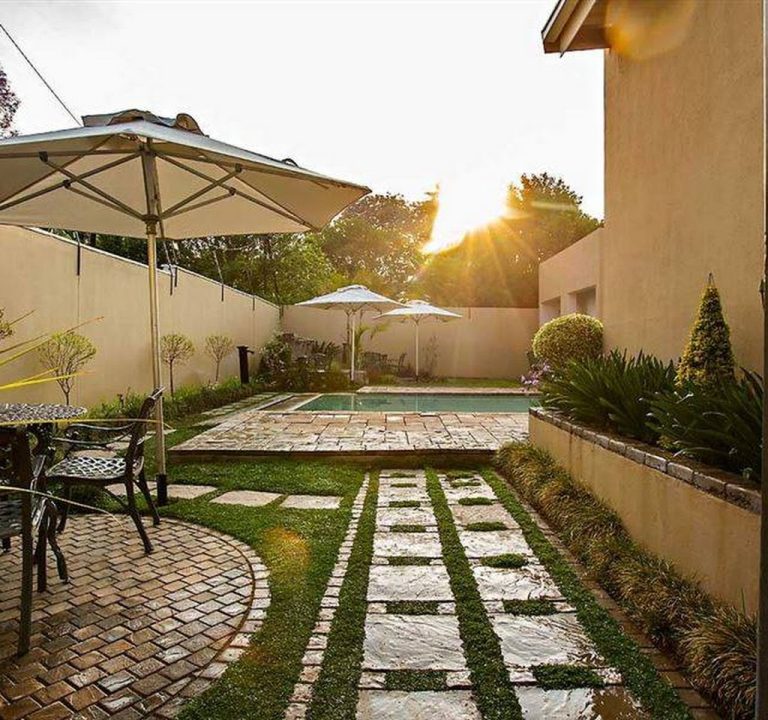
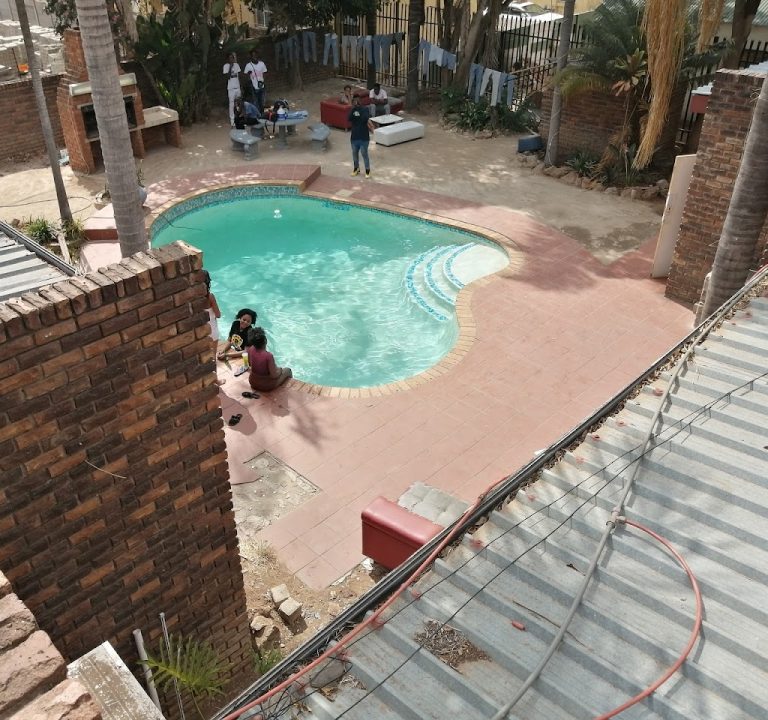
Typical amenities you might encounter include free Wi‑Fi, air conditioning or fans (important in warmer months), private bathrooms, and a comfortable workspace if you need to catch up on emails. Many guest houses and lodges offer either a pool or a shaded outdoor area, which can be a welcome retreat during hot weather. Security and on-site staff are also common features—having a receptionist or resident manager can make arrivals and day-to-day queries smoother, particularly if you are unfamiliar with the area.
Transport options in Polokwane range from self-drive to guided tours. If you arrive by air, the city is served by an international airport with road connections to the centre. Within the city, having access to a car gives you the greatest flexibility for sightseeing at your own pace. Taxis and ride‑hailing services are generally available, though it’s wise to confirm availability in advance if you plan late returns from evenings out. Public transport is more limited, so planning transfers between your accommodation and attractions ahead of time can save you time and stress.
Best time to visit Polokwane depends on your priorities. The dry winter months (roughly May to August) are pleasant for outdoor activities and wildlife watching in nearby reserves, with cooler evenings. The summer period (roughly November to February) brings warmer days and higher rainfall, which can bring lush landscapes and vibrant flora, but expect higher humidity and occasional showers. The shoulder seasons often offer a good balance of pleasant weather and quieter streets, with plenty of daylight for exploring markets and parks.
When planning a stay in Polokwane, it helps to think about how you’ll structure your days. If you enjoy morning walks and birdlife, a guest house near green spaces or a park can be ideal. For culinary enthusiasts, staying within easy reach of a variety of eateries—ranging from casual braai spots to more refined dining venues—lets you sample the local flavours without long commutes. Access to a central hub with shops and markets makes it straightforward to stock up for day trips or to pick up essentials before heading out to the countryside.
Attractions and experiences in and around Polokwane are varied and family-friendly. Visitors often spend time in nature reserves or botanical spaces close to the city, where guided or self-guided trails reveal native flora and wildlife. Museums and cultural centres offer insights into the region’s history and heritage, while markets and craft stalls provide opportunities to observe local life and pick up handmade goods. For a relaxed day, you might enjoy exploring a picturesque garden or a riverside park, followed by a casual meal at a nearby restaurant or café that showcases regional ingredients.
For dining, expect a mix of options that range from casual eateries to more contemporary venues. Many places reflect South Africa’s warm hospitality, with menus designed to showcase local produce and flavours. When planning meals, it can be useful to check opening times and whether options are available for breakfast, lunch, and dinner, as this helps align your day with any other activities you have scheduled. If you are staying in a guest house, you may have the chance to enjoy a homemade breakfast or to request a light evening meal, which can be convenient after a day of exploration.
- Consider the location relative to your planned activities (nature reserves, markets, city attractions).
- Check for essential amenities: secure parking, reliable Wi‑Fi, air conditioning or fans, and private bathrooms.
- Assess transport needs: is car hire convenient, and are taxis or ride‑hailing services readily available?
- Look for security features and clear access policies for late arrivals or early departures.
- Plan your meals and day trips with flexible options in mind; ask hosts about nearby eateries or even guided tour ideas.