Polokwane Accommodation Guide: Where to stay, what to book, and how to plan your visit
Polokwane, the capital of Limpopo, offers a thoughtful mix of comfortable guesthouses, boutique lodges and modern hotels set against a backdrop of warm hospitality and easy access to the province’s nature and culture. When planning a stay, consider the area that best fits your daylight plans, spa breaks, family-friendly trips or business needs. A well-chosen base can shorten drives, maximise exploring time and keep evenings relaxed after a day on the road or in the countryside.
Central Polokwane is convenient for accessing shops, markets and the main transport routes. If you want a quieter ambience with easy access to nature, look towards leafy suburbs or lodges perched near parks and reserves. For those seeking a little extra glamour or a stay close to shopping and dining hubs, a property near the city’s malls and entertainment precinct can be ideal.
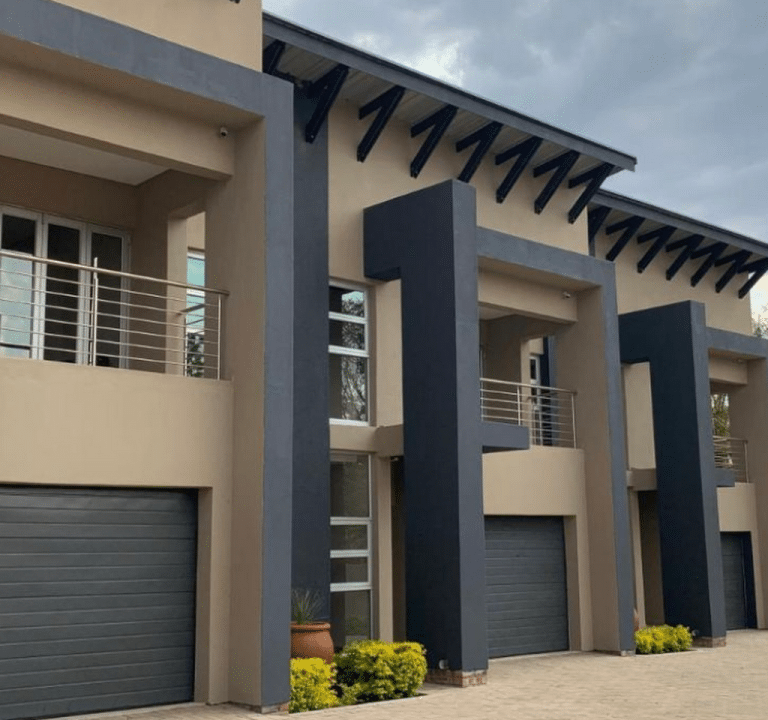
Typical accommodations vary from guesthouses and B&Bs to small boutique hotels and larger guesthouses such as the Limpopo Guest Manor, which exemplifies a guesthouse approach with personalised service and comfortable rooms. Regardless of style, most properties in Polokwane emphasise clean, well-kept rooms, reliable housekeeping, and friendly local knowledge to help guests plan day trips and dietary needs.
When booking, look for clear information on room configuration, whether breakfast is included, and the availability of secure parking. A description of the property’s public spaces—whether a small courtyard, a shared lounge, a veranda or a pool area—gives a sense of how you’ll unwind after a day out. For families, check on child-friendly facilities such as family rooms, childproofing, and nearby playgrounds. For business travellers, ask about workspaces, reliable Wi-Fi, and quiet corners for calls or early starts.
Access and transport are practical considerations. If you’re driving, confirm parking arrangements and whether the area has easy access to main roads and routes to attractions. If you’re relying on public transport or shuttle services, ask the host about transfers, local taxis, and walkable routes to dining precincts or overnight markets. Many properties can suggest trusted day-trip operators to nearby nature reserves, cultural sites, or nature streams, helping you to balance adventures with downtime.
Booking well in advance for peak periods—holiday seasons and school holidays—can secure better rates and room options. Flexible dates can reveal cheaper stays midweek or packages that bundle meals, tours or spa experiences. Always review cancellation terms and check whether the rate includes taxes or service charges. Reading recent traveller reviews can offer a realistic sense of what to expect in terms of room size, noise levels and how the property handles guest requests.
Best time to visit Polokwane generally aligns with the region’s cooler winters and warm summers. Spring and autumn offer comfortable daytime temperatures for outdoor activities, while summer can be vibrant with occasional rain showers that refresh the landscapes. If you plan outdoor safaris or nature walks, mornings and late afternoons tend to be the most pleasant for wildlife viewing and photographic moments.
In terms of experiences, Polokwane offers both cultural insights and nature-based activities. You might spend a day exploring markets or museums, enjoying a stroll through parks, and tasting traditional flavours at local eateries. If you’re chasing Africa’s wildlife heritage in a short hop, nearby reserves and nature reserves provide opportunities for easy day trips with guides who can talk you through birdlife, fauna and the region’s geology. For a gentler pace, spa treatments, garden strolls and a meal at a well-regarded restaurant can be a perfect complement to active days.
Dining in Polokwane is varied, with options ranging from casual cafes to more formal eateries. Many guesthouses and hotels offer breakfast buffets or plated meals, and several city-centre restaurants focus on contemporary South African cuisine, fresh produce and seasonal menus. If you’re exploring independently, you’ll find eateries close to major streets and shopping areas where you can sample flavours in relaxed settings. For those who enjoy a longer dining experience, look for venues with a patio or outdoor seating that lets you soak up the evening ambience after a day of touring.
Accommodation in Polokwane is often complemented by practical touches that enhance a stay. Secure parking, 24-hour reception, and dependable water and heating systems are the backbone of comfortable rooms. Expect ensuite bathrooms with good water pressure, fresh towels, and a choice of pillow types to aid restful sleep. Some properties may offer additional amenities such as a pool, a small gym, or a communal kitchen for self-catering guests. If you have dietary needs or a particular room preference, it’s worth requesting this at the time of booking and confirming before arrival.
- Areas to consider: central Polokwane for nightlife and convenience; near Mall of the North for shopping breaks; quieter suburbs for a peaceful stay and easy access to nature.
- What to look for when booking: clear room configurations, breakfast options, parking, Wi-Fi reliability, and guest reviews about service and cleanliness.
- Practical tips: confirm transport options, check cancellation terms, and plan day trips with local operators recommended by your host.
For a starting point, you can explore more about Polokwane’s attractions and accommodation by visiting official tourism sites and local booking platforms. A stay in Polokwane can offer a balanced blend of restful lodging, accessible dining, and gateways to Limpopo’s broader natural and cultural landscape. Consider a well‑chosen guesthouse such as Limpopo Guest Manor as a friendly base from which to explore and unwind in this vibrant part of South Africa.