Polokwane: Accommodation and Experiences in Limpopo
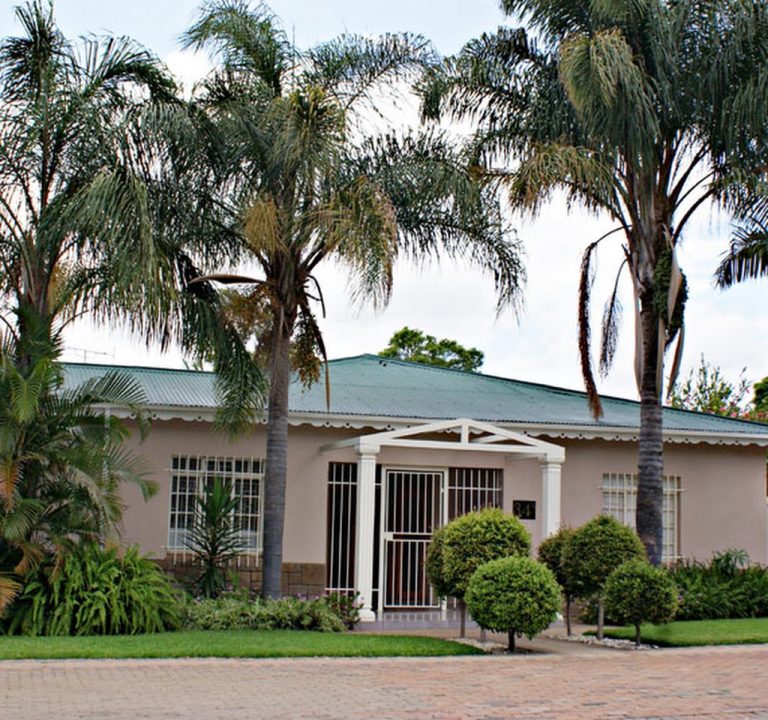
Polokwane, the provincial capital of Limpopo, sits at the heart of South Africa’s northern region and serves as a practical base for travellers exploring the Waterberg, wildlife reserves and the surrounding countryside. When planning a stay, consider the different neighbourhoods and types of accommodation to suit your pace and budget. The city itself offers a convenient mix of guesthouses, B&Bs, hotels and self‑catering options, with a growing number of properties catering specifically to visitors seeking comfort after a day of exploring the region.
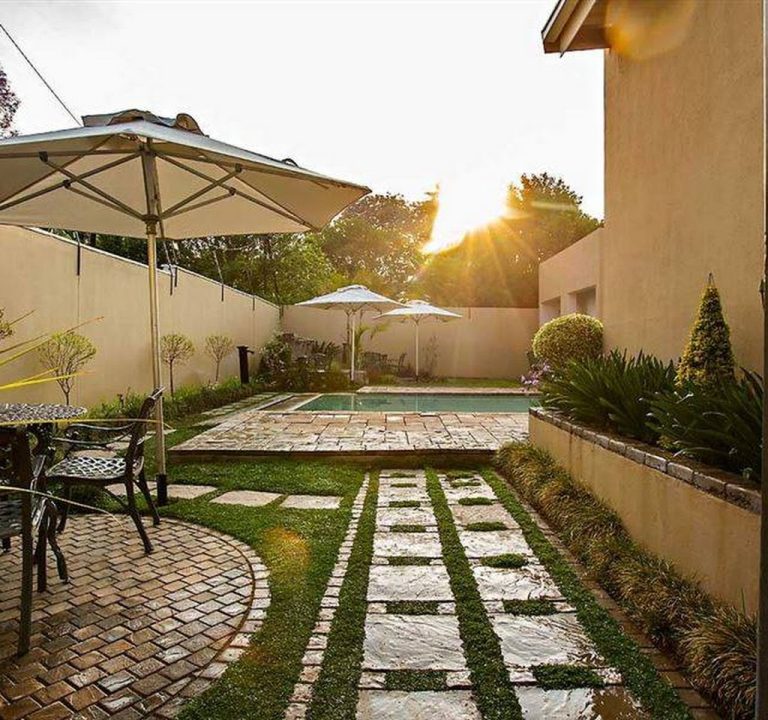
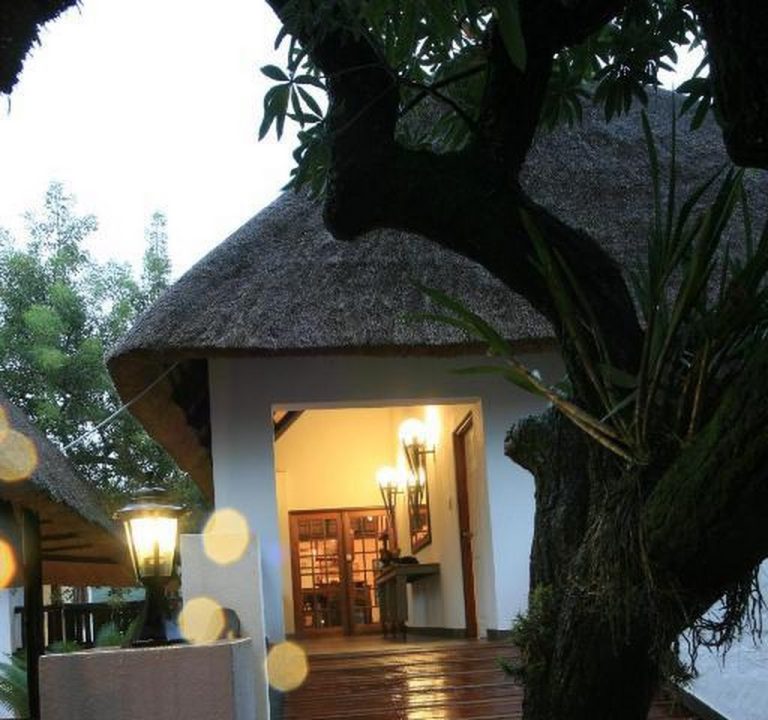
Areas to consider include the city centre and its immediate surroundings for easy access to conveniences, restaurants and day trips. Suburban zones such as the central business district with leafy streets, or quieter pockets a short drive from the centre, can provide more space, secure parking and a relaxed ambience. For those chasing a more countryside feel, lodges and guesthouses on the edge of town often provide larger plots, garden spaces and views of the nearby hills. If you are travelling with family or a group, look for properties that offer flexible layouts, self‑catering facilities and child‑friendly amenities.
When booking, think about what matters most to you. A reliable reputation for cleanliness, friendly service and clear policies on check‑in times, breakfast offerings and potential late arrivals will go a long way. Practical considerations include secure on‑site parking, generator back‑up in case of loadshedding, and high‑quality bedding for comfort after long days of driving or hiking. If you plan to leave early for day trips, a hearty, early‑bird breakfast or a simple packed option is a bonus. For longer stays, inquire about laundry services or self‑service facilities and whether there are any cooking conveniences such as a kitchen or a communal meal area.
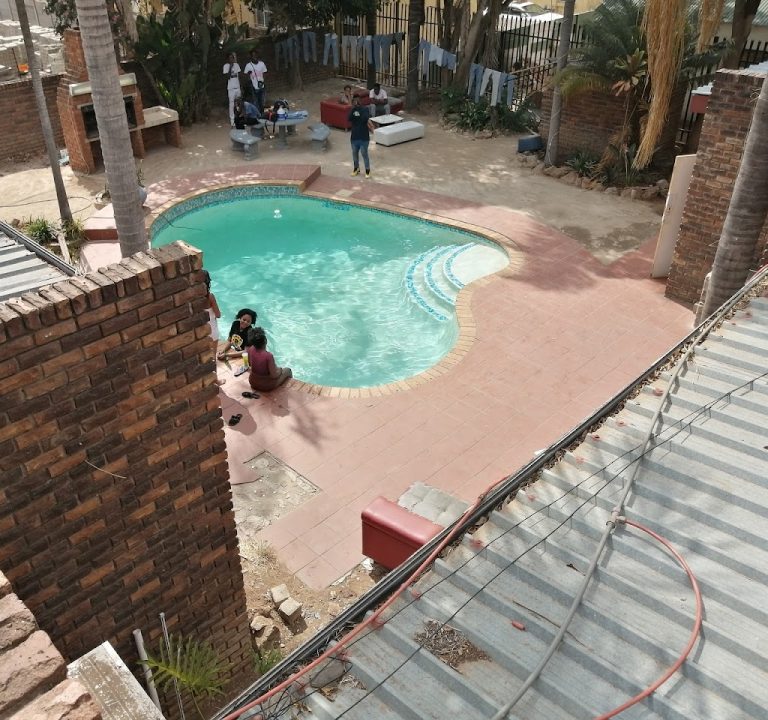
Typical amenities to expect range from private en‑suite bathrooms and air‑conditioning to satellite or streaming television, free Wi‑Fi, and daily housekeeping. Some smaller guesthouses offer cosy lounges, gardens or plunge pools, while larger hotels may have fine‑dining options, business facilities and on‑site fitness spaces. If the accommodation has a pool, check whether it is heated or shaded during the hottest parts of the day, and whether supervision is provided for younger children. Accessibility features, such as level access, wide doors and grab rails, are worth asking about if needed.
Transport is a practical consideration. Polokwane is a drive‑friendly city with roads that are well signposted from major routes. A car rental is often the easiest way to explore the region, especially if you plan to visit game reserves, local markets and the surrounding countryside. If you prefer not to self‑drive, some properties offer shuttle services to nearby attractions or airport transfers, so verify these arrangements when booking. The city does have taxi services and ride‑hailing options, but it’s sensible to arrange airport transfers in advance if you have a schedule to keep.
The best time to visit Polokwane and the Limpopo region balances climate with outdoor activity. Dry winter months (roughly May to September) bring cooler days and clearer skies—great for safaris in nearby reserves and city sightseeing. Spring and autumn offer pleasant temperatures for outdoor meals and strolls. The rainy season (roughly November to March) can bring lush landscapes and afternoon thundershowers, which may affect hiking or outdoor plans, so always have a flexible itinerary and rain protection.
To make the most of your stay, plan a mix of relaxation, gastronomy and light adventures. Beyond the main urban sights, you’ll find regional markets, craft stalls and cultural experiences that showcase Limpopo hospitality and craftsmanship. For dining, many accommodation providers offer breakfast options or recommendations for nearby cafés and bistros, with home‑style dishes and sun‑splashed patios that characterise local hospitality. When exploring, opt for experiences that support responsible tourism—respecting wildlife, local communities and the environment while enjoying the area’s natural beauty and flavours.
Sample planning checklist for a comfortable stay:
- Choose accommodation based on proximity to your planned activities and the level of tranquillity you require.
- Confirm breakfast arrangements and accessibility of early departures for day trips.
- Ask about parking, security measures and any household amenities you need (kitchenette, laundry, etc.).
- Check cancellation policies and any seasonal offers or special packages.
- Look for information on nearby attractions and dining options; request maps or local tips from the host or front desk.
For further inspiration and practical resources, consider visiting official tourism information when you arrive or search reputable travel guides online. Practical planning mentions and visitor information are available through national and regional tourism portals, which can help you align your stay with current events, seasonal activities and conservation initiatives. A well‑planned stay in Polokwane can balance comfortable accommodation with the ease of exploring a gateway to Limpopo’s wildlife, culture and culinary heritage. For more ideas and practical planning, you can explore broader South African tourism resources online.