Polokwane: Accommodation, Attractions and Practical Tips for Travellers
Polokwane, the capital of Limpopo, offers a welcoming mix of comfortable guesthouses, boutique lodges and family-friendly stays set against a backdrop of savannah and bustling city life. When planning a visit, it’s useful to think about both where you stay and what you hope to do in and around the city. A well-chosen base can simplify day trips to nearby nature reserves, cultural sites and lively markets, while a well-equipped guesthouse or lodge can feel like a home from home after a day of exploring.
One of the first decisions is where to base yourself. Polokwane has several distinct neighbourhoods that suit different itineraries and budgets. Central Polokwane provides easy access to shops, restaurants and the main transport links, making it a practical choice for guests who prefer to stroll to dining spots or use taxis for short hops. Suburban areas such as Fauna Park and West Park can offer calmer streets, larger grounds and secure parking, which is ideal if you are travelling by car or with family. For a more secluded atmosphere, some guesthouses and lodges on the outskirts provide greener surroundings and a sense of retreat after a day’s sightseeing. When comparing options, consider proximity to the airport and road connections for day trips to wildlife reserves and cultural centres.
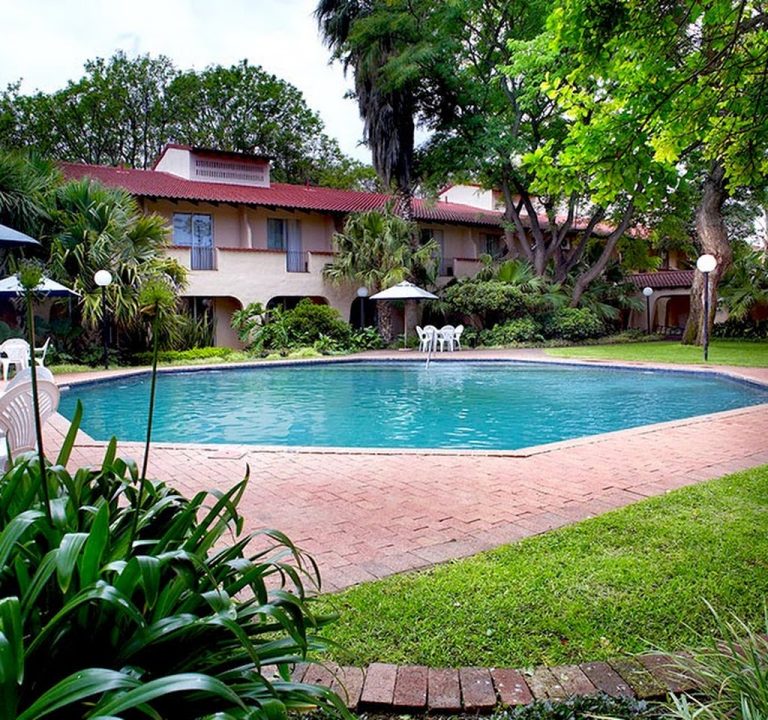
Typical accommodation in Polokwane ranges from guest houses and small hotels to more substantial lodges with on-site dining. Look for features that matter most to you: secure parking, strong Wi-Fi, comfortable beds, air conditioning (important in warmer weather), and a breakfast option that suits your plans. Some properties also offer self-catering facilities or kitchenettes, which can be convenient for families or longer stays. If you are travelling with children or attending events in the city, a family room or interconnected rooms can be helpful. For business travellers, check for quiet workspaces, plugs near desks and reliable mobile signal.
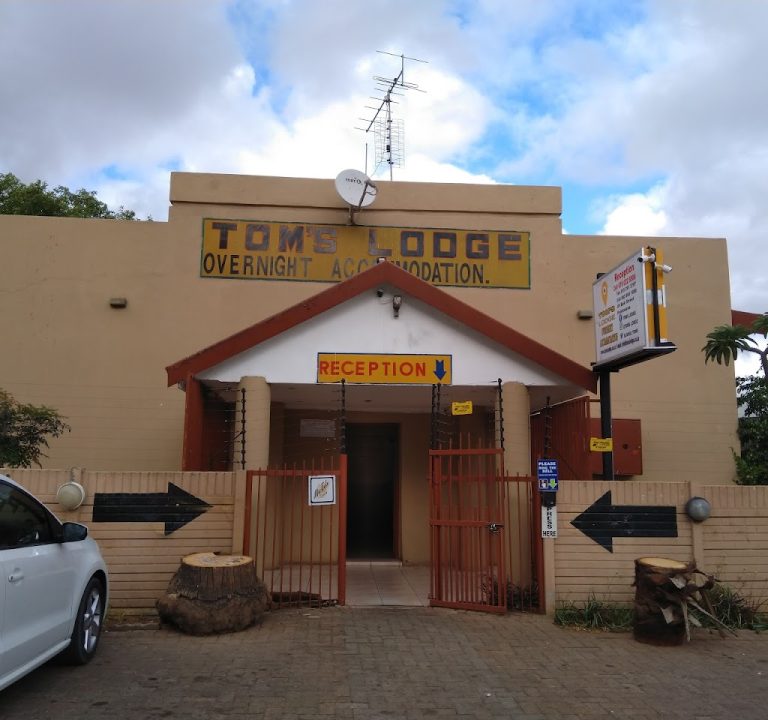
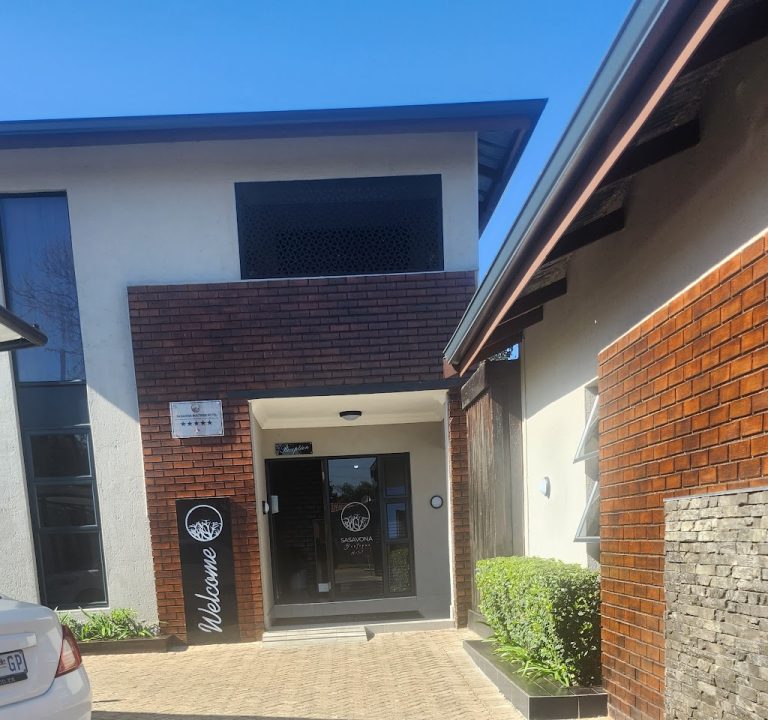
Tom’s Lodge is a representative example of a guest house style of stay you might encounter in Polokwane. Such stays often combine warm, personalised service with practical comforts: private en-suite bathrooms, a cosy lounge or dining area, and helpful advice about local transport and day trips. While the specific services at Tom’s Lodge may vary, guest houses typically prioritise hospitality, easy access to major routes and a friendly atmosphere that makes you feel welcome from the moment you arrive.
Transport and getting around is a practical consideration. If you plan to explore beyond the city, having access to a car is convenient, since many attractions are located outside the central area. However, Polokwane is served by some local taxis and rideshare options, and some guesthouses can arrange transfers or guided day trips for guests. When booking, confirm whether transfers or parking are included, and ask about security arrangements for parking if you are driving. If you prefer public transportation, check the nearest taxi ranks or bus routes and the frequency of services to your planned destinations.
Best time to visit Polokwane generally aligns with the South African climate patterns. The dry winter months (roughly May to September) typically offer comfortable daytime temperatures and less humidity, which can be ideal for outdoor activities and self-guided city tours. The summer rainy season can bring warm, humid weather with occasional afternoon showers; however, this period also keeps landscapes lush and vibrant. Consider your tolerance for heat and crowds when planning outdoor excursions or market visits, and always pack sun protection and a light layer for cooler evenings.
When it comes to planning what to do, Polokwane offers a blend of cultural, natural and culinary experiences. You can expect a calm, well-equipped base from which to explore provincial heritage sites, open-air museums and nearby nature reserves. In the city itself, you’ll find markets and eateries where you can sample regional flavours and craft products. For nature lovers, day trips to nearby reserves or protected areas can provide opportunities for wildlife viewing and scenic drives. If you enjoy local culture, look for guided tours that explain regional history, traditions and the landscape that frames the Limpopo basin.
Practically, a well-planned stay balances comfort with flexibility. Before booking, confirm the following: the pace of your itinerary, what meals are included or available nearby, and whether the accommodation offers facilities for business or leisure travellers alike. Check cancellation policies, especially during peak travel periods, and verify access arrangements if you arrive late or depart early. Reading guest reviews can be helpful for understanding real-world experiences—whether a property’s hosts are attentive, how clean and quiet the rooms are, and how easy it is to access attractions from your chosen base.
For practical planning, it’s worth compiling a short list of nearby attractions and dining options, then mapping a tentative route that minimises backtracking. Areas with a mix of parks, markets and eateries often provide the best balance for a relaxed trip. When selecting a place to stay, consider not only the room rate but also value-added features such as on-site parking, breakfast service, Wi-Fi reliability and nearby convenience stores or petrol stations for longer road trips. With a thoughtful approach, a stay in Polokwane can combine comfortable accommodation with easy access to the region’s natural beauty and cultural charm.
Useful resources for planning your visit include official tourism sites and local visitor information pages. These can help you identify current events, seasonal markets and recommended day trips. For more information, you may wish to visit general travel guides or local council pages that profile accommodation options and visitor services. Links to reputable tourism portals and official town information can be found online and updated regularly to reflect new venues and services.