Accommodation and Getting the Most from a Stay in Polokwane, Limpopo
Polokwane, the capital of Limpopo, offers a friendly base from which to explore northern South Africa. A mix of guest houses, boutique lodges, hotels and self‑catering options makes it easy to tailor a stay to your budget and interests. Whether you are visiting for business, a short break or a family holiday, planning around the neighbourhoods and facilities available can help you make the most of your time in the city and beyond.
When choosing where to stay, consider central Polokwane’s practicality and easier access to amenities, while leafy suburbs and upmarket areas can offer quieter nights and more privacy. Practical factors to weigh include free parking or on‑site parking, reliable Wi‑Fi, air conditioning for warm Limpopo evenings, breakfast options, and 24‑hour reception or security. Short distances to shopping centres, markets and the central business district can save time in busy periods, while a countryside setting a short drive away may provide a more relaxed atmosphere and convenient access to surrounding nature reserves and wider Limpopo landscapes.
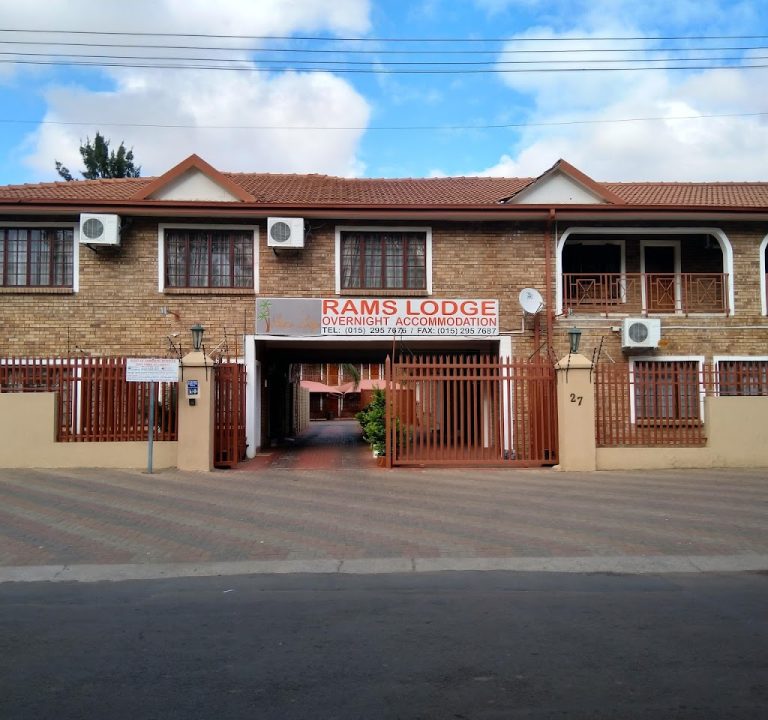
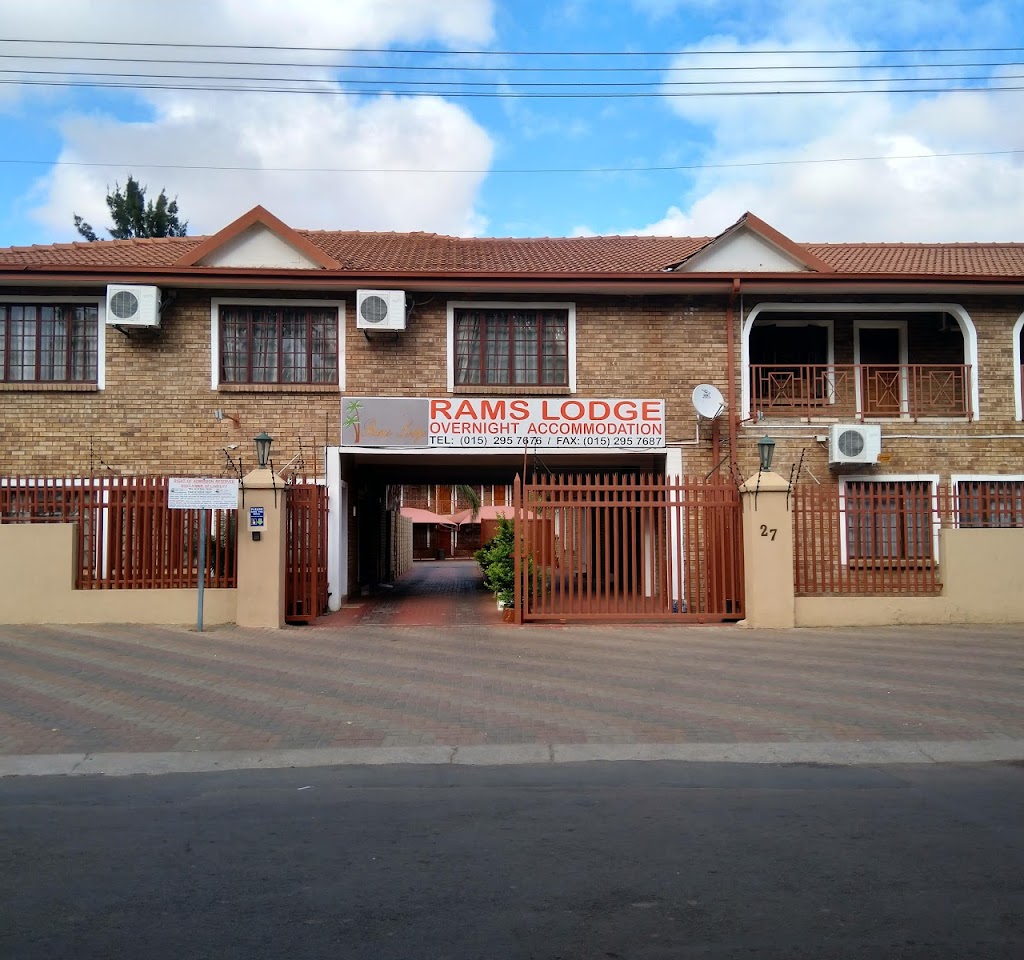
Rams Lodge, for example, sits among the range of guest houses in Polokwane that cater to visitors seeking a personal touch, comfortable rooms and a homely feel. While each property has its own character, many guest houses in the area emphasise attentive hosts, private entrances, on‑site parking and two‑way convenience between comfort and value. Always read guest reviews and check recent photographs to gauge cleanliness, comfort and the responsiveness of management.
Typical amenities you might encounter include en‑suite bathrooms, complimentary breakfasts, tea and coffee facilities, air conditioning or fans, television, and weather‑appropriate heating. Some properties offer self‑catering facilities, outdoor spaces, pool areas, or barbecue facilities. A short drive to the city centre often means easy access to supermarkets, eateries and local markets where visitors can sample fresh produce and regional flavours. If you rely on public transport, check proximity to bus routes or ride‑hailing services, and ask about any shuttle options offered by the accommodation.
Transport planning is an important part of a smooth stay. Polokwane’s road network is generally straightforward, but peak‑hour traffic and the distance to more rural attractions can affect travel times. Renting a car provides maximum flexibility for day trips to nature reserves, game reserves and nearby towns, while guided tours can simplify logistics if you prefer not to drive. For visitors arriving by air, the nearest major gateway is typically the domestic airport in a neighbouring city, with onward transfers by road to Polokwane. Domestic connections and regional flight schedules can influence your itinerary, so we recommend building in buffer days if you plan wildlife outings or landscape excursions beyond the city.
Best time to visit Polokwane varies with your priorities. The dry season, typically cooler evenings, can be pleasant for outdoor activities and vehicle travel, with wildlife and scenery often more accessible in surrounding reserves. The rainy season brings lush landscapes and vibrant vegetation but may involve short, heavy showers and higher humidity. Consider the local harvest and market periods if you enjoy fresh produce and seasonal foods. If you are keen on annual events or festivals, check the city’s tourism calendars for opportunities to experience local culture, crafts and music in a relaxed setting.
What to look for when booking a stay in Polokwane:
- Location relative to your planned activities — city centre versus suburban or countryside settings
- On‑site parking and security provisions
- Comfort features such as air conditioning, reliable hot water, and clean, well‑lit rooms
- Clear cancellation policies and flexible payment options
- Clear notes on breakfast offerings, meal times and any dietary accommodations
Beyond a comfortable bed, Polokwane serves as a gateway to a range of experiences. You can wander local markets for crafts and produce, explore nature reserves on nature walks or game drives, and enjoy a selection of dining options that present modern takes on regional flavours. For visitors who enjoy shopping or a relaxed day out, a visit to the central precinct and nearby malls provides convenient access to services and leisure options. Dining experiences in Polokwane tend to offer fresh ingredients, with menus that balance South African classics with contemporary dishes; many establishments emphasise hospitality and a friendly, unhurried dining pace.
To help you plan efficiently, consider a simple approach to an itinerary: base yourself in one central property for easy access to key sights, then schedule day trips to surrounding nature areas or nearby towns. Allow time for relaxed meals and leisurely strolls through markets or public spaces. Always confirm check‑in times, breakfast hours, and any requirements such as late arrivals, and be mindful of local safety guidance. Carry a small amount of local currency for marketplaces, while most formal venues accept cards, and keep a digital map or travel app handy for quick navigation.
Useful resources for planning include regional tourism pages and official visitor information sites, which can offer current guidance on attractions, seasonal highlights and practical travel notes. For those who prefer a self‑guided approach, accommodation providers and local guest houses often publish practical tips on nearby points of interest and day‑trip ideas. For more information about Polokwane and the Limpopo region, you can visit the local tourism pages and official regional portals.