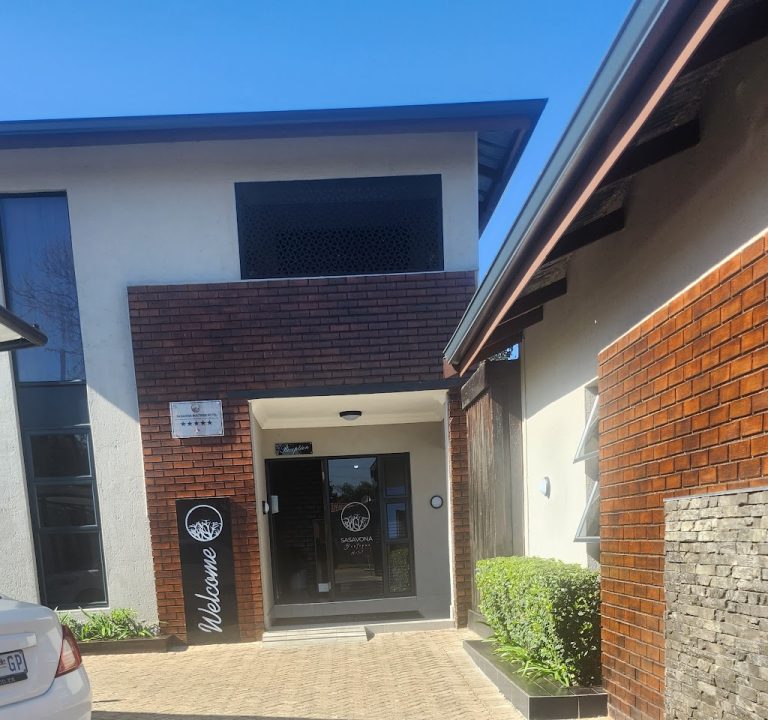
Accommodation and Activities in Polokwane, Limpopo
Polokwane, the capital of Limpopo, blends a vibrant urban pulse with easy access to nature and cultural heritage. Whether you are planning a relaxed city stay or a base for exploring the surrounding wildlife and landscapes, the town offers a range of accommodation options to suit different styles and budgets. From family-friendly lodges to boutique guesthouses and comfortable self-catering apartments, Polokwane is well placed for exploring the northern Lowveld and the wider Limpopo region.
When planning a stay, consider the area that best matches your interests and transport needs. The city centre places you within easy reach of business districts, markets, and a selection of dining options. Suburban areas close to parks and golf courses can provide a quieter ambience and quicker access to arterial routes. For travellers who want a closer connection to nature without lengthy drives, lodges and guesthouses on the city’s outskirts often offer larger rooms, on-site wildlife or garden spaces, and opportunities to unwind after day trips.
Booking in Polokwane should focus on a few practical aspects. First, assess parking provisions and vehicle access, as many sights and day trips around Polokwane are easiest to reach by car. Look for properties with reliable Wi‑Fi, air conditioning or fans (Polokwane can be warm in the summer), and hot water reliability, especially if visiting during the cooler winter evenings. Check whether meals are included or if there are onsite kitchens or guest lounges, as this can influence daily planning and costs. If you are travelling with children, confirm family rooms, cot availability, and safe outdoor spaces. Finally, read recent guest reviews to gauge the consistency of service, cleanliness, and how staff handle guest needs during peak seasons.
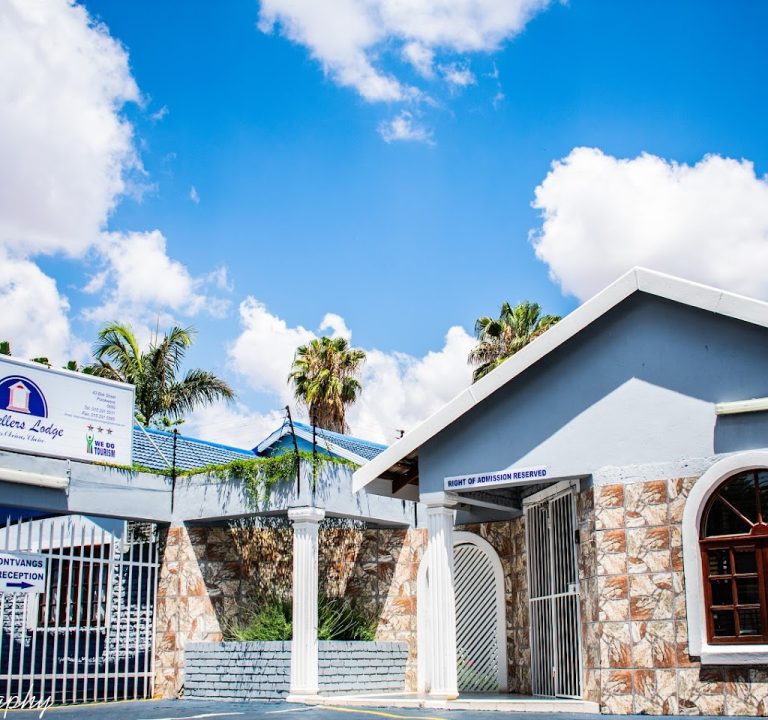
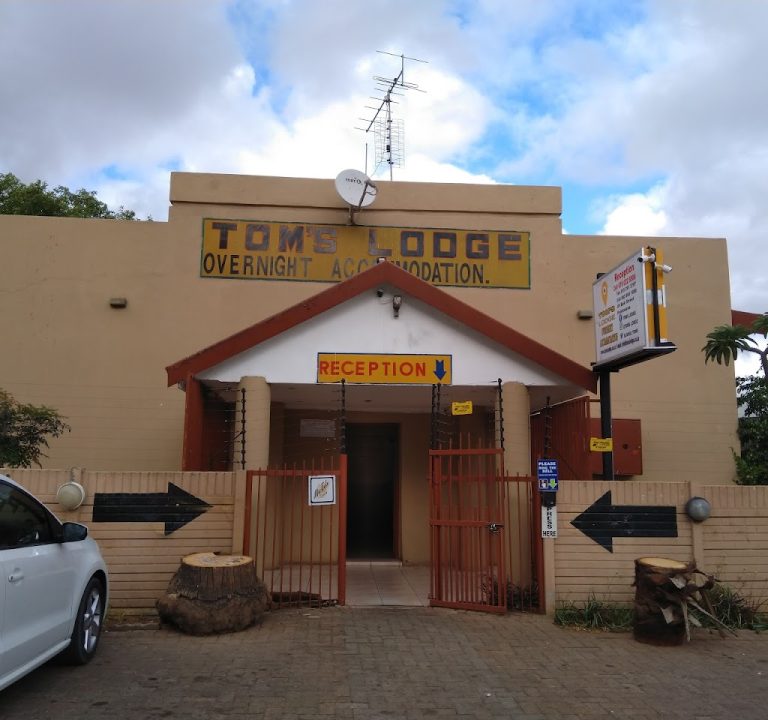
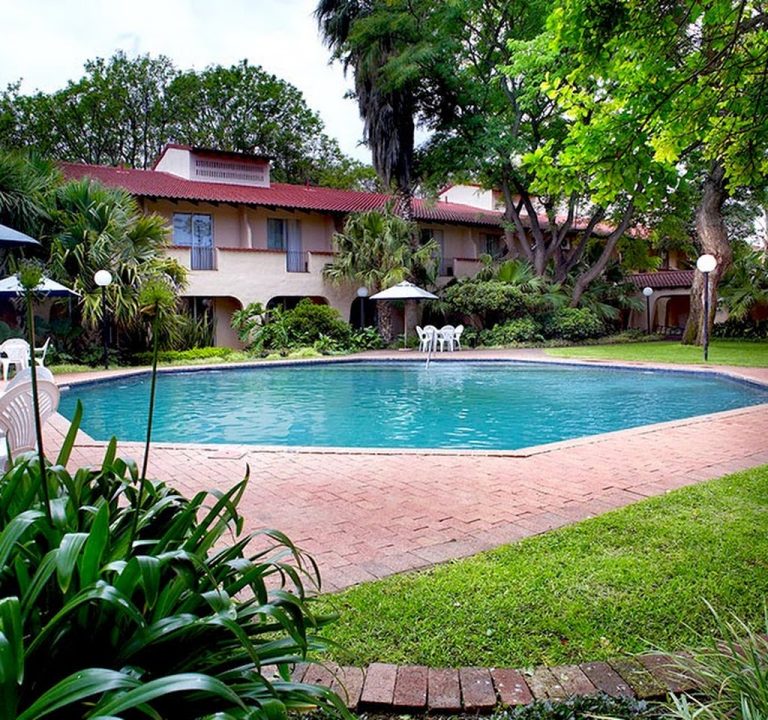
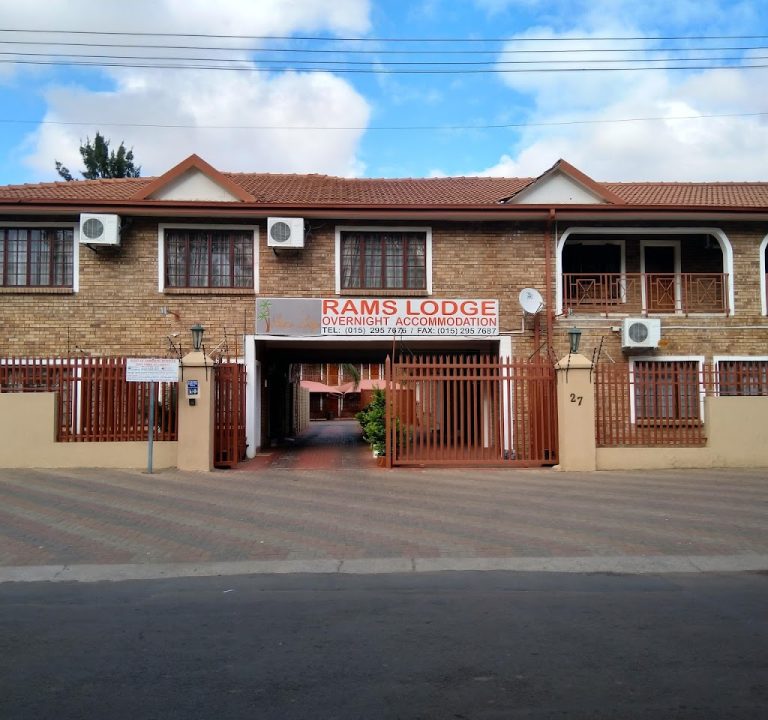
Typical amenities you might encounter in Polokwane accommodation include comfortable en-suite rooms, pool access, gardens or patios, and secure on-site parking. Many lodges and guesthouses offer generous breakfasts and the option of evening meals, which can be a convenient perk after a long day of sightseeing. Some properties may feature common living areas, business facilities, or tour assistance where staff can help arrange day trips or provide practical tips for navigating local attractions.
Getting around Polokwane is easiest with a car, giving you the freedom to explore at your own pace. Taxis and ride-hailing services operate in the area, but distance between sights and routes to the surrounding nature reserves makes self‑drive a sensible choice for most travellers. If you plan to visit attractions outside the city, factor in travel times and road conditions, particularly in the rainy season. A compact, well-maintained vehicle is typically a wise choice for exploring the broader Limpopo region.
The best time to visit Polokwane depends on what you want to do. The dry winter months (roughly May to August) offer comfortable daytime temperatures and clearer air for outdoor activities and wildlife viewing further afield. Spring and autumn can deliver mild weather ideal for walking and exploring urban parks. The summer rainy season (often October to March) brings lush scenery and occasional downpours; it can be energising for landscapes but may affect driving conditions and outdoor plans. If you are aiming to coincide with markets, crafts hubs, or local cultural events, keep an eye on the regional calendars and plan a few flexible days.
In terms of local experiences, Polokwane provides access to a mix of nature and culture. You can expect pleasant parklands, open-air museums showcasing the heritage of the region, and opportunities to observe both urban and rural life. Day trips north or west can reveal savannah scenery, nearby botanical interests, and wildlife-watching opportunities within a reasonable driving radius. For dining, many hotels and guesthouses offer in-house dining with a focus on South African flavours and local ingredients, while the town also supports a selection of casual eateries and bistros where you can sample regional dishes in relaxed settings.
Planning a stay also means balancing rest with discovery. Consider a layered itinerary that allows mornings in Polokwane’s parks or markets, followed by afternoon drives to nearby preserves or viewpoints. For families or groups, a lodge or guesthouse with shared spaces and a small kitchen can help keep daily routines flexible, while couples may enjoy intimate boutique stays with cosy lounges and outdoor areas.
Practical tips for visitors to Polokwane:
- Confirm accessibility features and family-friendly options if travelling with children or guests with mobility needs.
- Check proximity to major roads (N1 and other regional routes) for smoother day trips.
- Ask about on-site meals, as well as nearby cafés and markets for easy dining options.
- Plan safe parking and consider a traveller-friendly property with secure parking or gates.
- Pack sun protection for day trips and light layers for cooler evenings in winter months.
When selecting a place to stay, look for properties that offer a calm, clean base with helpful hosts or staff who can offer practical local guidance. A well-located lodge or guesthouse can be the perfect home away from home while you explore Polokwane’s urban delights and the natural beauty that lies beyond.
For additional inspiration and practical planning tips, you can explore general tourism information about Polokwane and the Limpopo region on official travel sites and local tourism directories. Planning ahead with a clear sense of your priorities—amenities, location, and pace—will help you make the most of your stay in Polokwane.