Where to stay and what to do in Polokwane, Limpopo: accommodation, attractions and tips for a rewarding visit
Polokwane, the capital of Limpopo, offers a friendly base from which to explore northern South Africa’s landscapes, culture and wildlife. Known for its wide avenues, leafy suburbs and a developing hospitality scene, the town provides a mix of boutique lodges, modern hotels and guesthouses that suit diverse itineraries. When planning a stay, think about the areas that best fit your activities, the amenities you value, and how you prefer to move around the area.
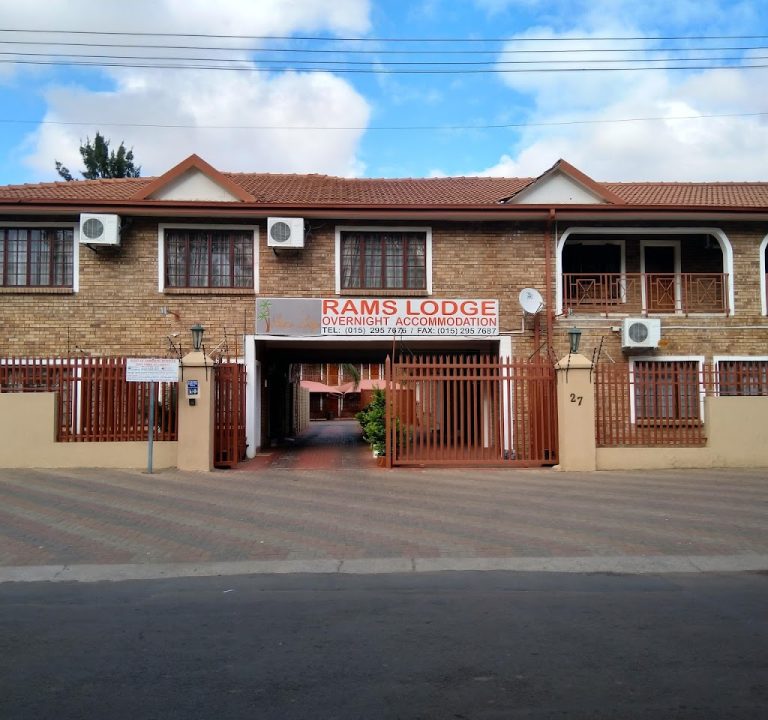
Where to stay. In Polokwane you will find a spectrum of options from small, intimate guesthouses to larger hotels. Central locations near the CBD are convenient for visitors who want easy access to shops, markets and restaurants, with straightforward taxi and rideshare routes to nearby attractions. For a calmer ambience, consider boutique lodges and guesthouses closer to the northern suburbs or around quieter residential avenues, where you might enjoy larger gardens, outdoor seating and a more personalised service. If you are planning day trips to the surrounding nature reserves and wildlife experiences, staying on the outskirts can cut travel time in the mornings and give you a more relaxed arrival after day excursions. When choosing your room, look for essentials such as reliable Wi‑Fi, sufficient lighting for work or reading, a comfortable bed, in-room climate control, and secure on-site parking if you are hiring a vehicle.
Typical amenities and what to look for. Modern hotels and guesthouses in Polokwane commonly offer en-suite bathrooms, on-site parking, and breakfast options. A growing number of properties are mindful of business travellers and families alike, providing work-friendly desks or seating areas, well‑appointed lounges, and family rooms. For guests who intend to explore by car, nearby properties may advertise easy access to major routes and generous parking. Pools, shaded outdoor spaces, and verandas are popular in the warm Limpopo climate, offering a welcome retreat after a day of sightseeing. If you anticipate an early start, check whether breakfast is served early and whether room service or in-room dining is available. Accessibility is another practical consideration; some properties provide ground-floor rooms or lifts, useful for guests with mobility needs.
Transport and getting around. Polokwane is served by a regional road network and several local taxi services. If you are staying near the city centre or in well‑traced neighbourhoods, you will likely find it straightforward to walk to some attractions and eateries. Renting a car is common for visitors who wish to explore beyond the town, including the surrounding wildlife reserves, viewpoints and day trips to nearby towns. When arranging travel, confirm parking arrangements with your accommodation and ask about the most convenient drop-off points for any planned tours or day trips. Public transport options are more limited than in larger cities, so a vehicle often provides the most flexibility for a longer stay.
Best time to visit. Polokwane enjoys a warm, subtropical climate with distinct wet and dry seasons. The dry season is particularly pleasant for outdoor activities, wildlife viewing on nearby reserves, and city strolls. If you enjoy lush landscapes after rainfall, the late summer months bring verdant scenery, though humidity can be higher. Consider your outdoor plans when deciding when to book; shoulder periods can offer a balance between comfortable weather and quieter attractions.
Attractions and areas of interest. A stay in Polokwane offers a mix of cultural insight and natural scenery. Within easy reach, you can explore open-air museums and local heritage sites that provide a sense of the region’s history and people. Parks and nature reserves in the broader Limpopo province offer opportunities for wildlife watching, birding and gentle hikes, suitable for various fitness levels. The town itself has markets, galleries and cafés that showcase regional crafts and cuisine, making it easy to enjoy a relaxed day without venturing far from your accommodation. If you prefer structured itineraries, your hotel or guesthouse can suggest day trips, including visits to nearby small towns or scenic routes that showcase the province’s landscapes and rural charm.
Food and dining. Polokwane’s dining scene reflects its cultural mix, with diners able to choose from casual cafés, bistros and more contemporary eateries. Expect seasonal ingredients, hearty South African favourites and an emphasis on friendly, efficient service. Many accommodation providers offer on-site or arranged breakfast options and can guide you to nearby venues for lunch and dinner, including places that focus on local produce, grilled dishes and comforting meals after a day of exploring. If you are planning reservations, your host or concierge can advise on peak times and alternatives for quieter dining experiences.
Practical planning tips. - Confirm what is included with your room rate (breakfast, parking, Wi‑Fi). - Check proximity to the activities you plan to do; a shorter transfer saves time for day trips. - Ask about shuttle options or arrangements for early starts if you have early tours. - Look for flexible cancellation policies, especially if your plans may shift with weather or new information. - Consider a mix of restful nights at your base with day trips to the surrounding natural and cultural sites. - Verify the recommended travel routes and safety tips with your accommodation before heading out for the day.
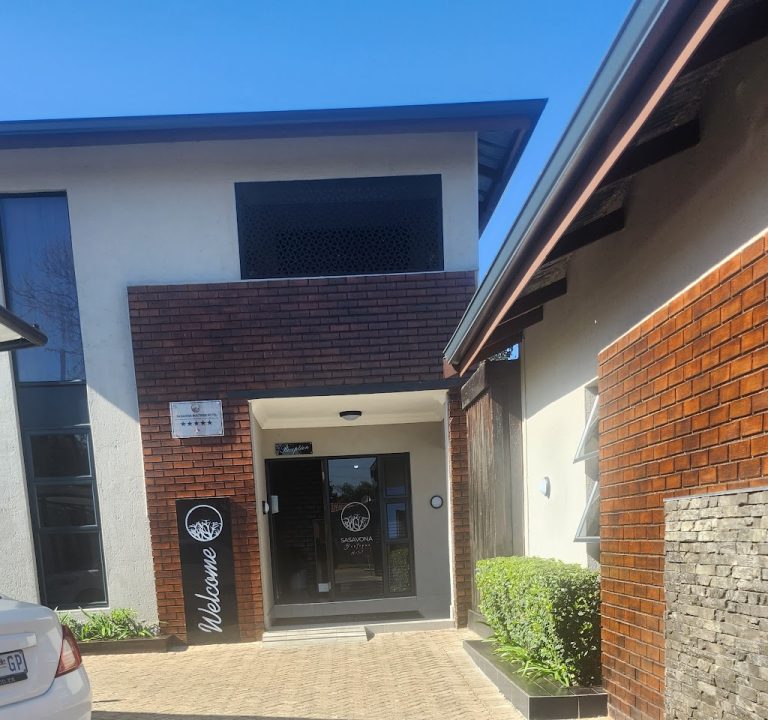
Accommodation example. For travellers seeking a boutique feel with a focus on personalised service, boutique lodges in the area highlight intimate settings and thoughtful touches that reflect Limpopo hospitality. While specific property names and features can vary, these lodges typically offer well‑appointed rooms, curated common areas, and an emphasis on making guests feel welcome. A stay at such a property can provide a comfortable home base from which to explore Polokwane and its surroundings, with easy access to local eateries and planned activities. For more information and ideas, visit Polokwane’s official tourism resources and be guided by guest reviews and property descriptions on reputable booking platforms.