Where to Stay and Things to Do in Polokwane, Limpopo
Polokwane, the capital of Limpopo, offers a wide range of accommodation to suit different travellers, from stylish lodges and guesthouses to comfortable hotels and self-catering options. The city serves as a practical base for exploring the surrounding landscape, wildlife experiences, and the culture of northern South Africa. When planning a stay, consider the area you’d like to explore, the pace you prefer, and how you plan to get around. A well-chosen base can cut travel time between day outings and meals, leaving more hours for discovery.
Areas to consider include central Polokwane for convenient access to restaurants, markets and nightlife; the northern suburbs which tend to be quieter and more residential; and regions near parks or nature reserves where access to outdoor activities is straightforward. If you’re arriving by road, a property with secure parking and easy road links to national routes will save time. For business travellers or those visiting medical facilities, proximity to the hospital district or conference venues can be a deciding factor. When browsing options, look for clear directions, helpful host or front desk staff, and flexible booking policies in case your plans shift.
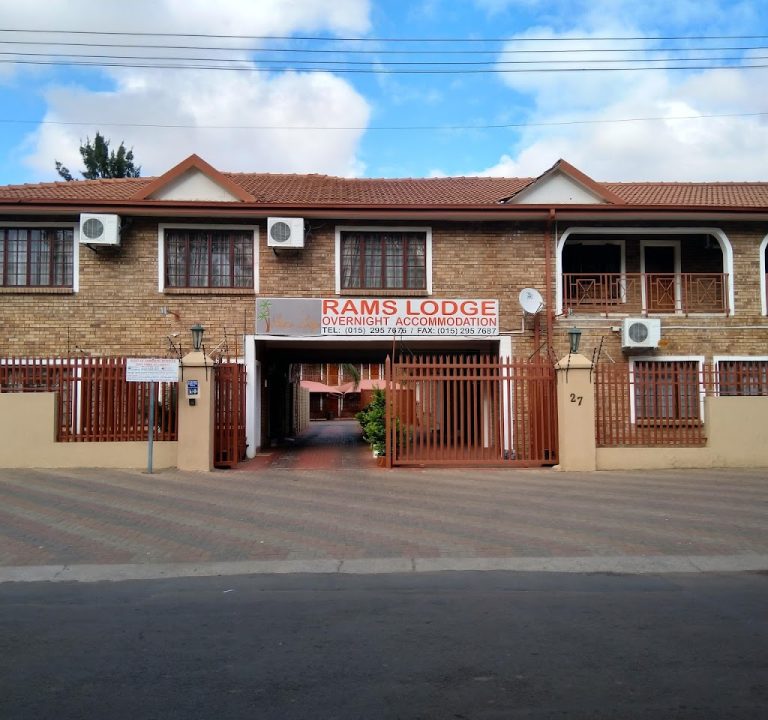
Typical amenities you might expect include free or paid Wi‑Fi, on-site parking, and breakfast options. Many lodges and guesthouses in Polokwane balance comfort with a touch of local flair, offering en suite rooms, air conditioning for warm Limpopo evenings, and shaded outdoor spaces. In the more upscale segment, properties may feature in-room safes, minibars, a swimming pool, and well-equipped communal areas for socialising or working remotely. If you’re travelling with family, check for spacious rooms, adjoining rooms, or suites, as well as child-friendly facilities and menus at on-site restaurants.
Booking tips to keep in mind: read recent guest reviews to gauge consistency, note the exact location and access times, and check whether kitchen facilities or self-catering options are available if you’d like flexibility with meals. Ask about housekeeping schedules, quiet hours, and security arrangements. If you plan to explore beyond the city, verify whether day trips or guided experiences can be arranged through the property or a trusted partner. For longer stays, prioritise properties that offer laundry facilities or a cleaning service, and consider a place with a small kitchenette to keep costs down on meals.
Polokwane experiences a subtropical climate, with hot summers and mild winters. The best time to visit for outdoor activities generally falls in the drier, cooler months, when game viewing in surrounding reserves is more comfortable and road conditions are more predictable. If you’re drawn to markets and cultural activities, plan for late spring or autumn when the city’s energy tends to be at its peak. Regardless of when you travel, packing light layers, sun protection, and a reliable umbrella can help you adapt to shifting weather patterns.
Getting around Polokwane is easiest with a car, particularly if you’re staying outside the city centre or planning day trips to nearby attractions. Some accommodation providers offer shuttle services or tours, which can be convenient if you prefer not to drive. Taxis and ride-hailing options are typically available, though it’s worth confirming availability in advance, especially for late arrivals or departures. If you plan to visit more remote natural areas, consider joining a guided excursion to maximise safety and convenience.
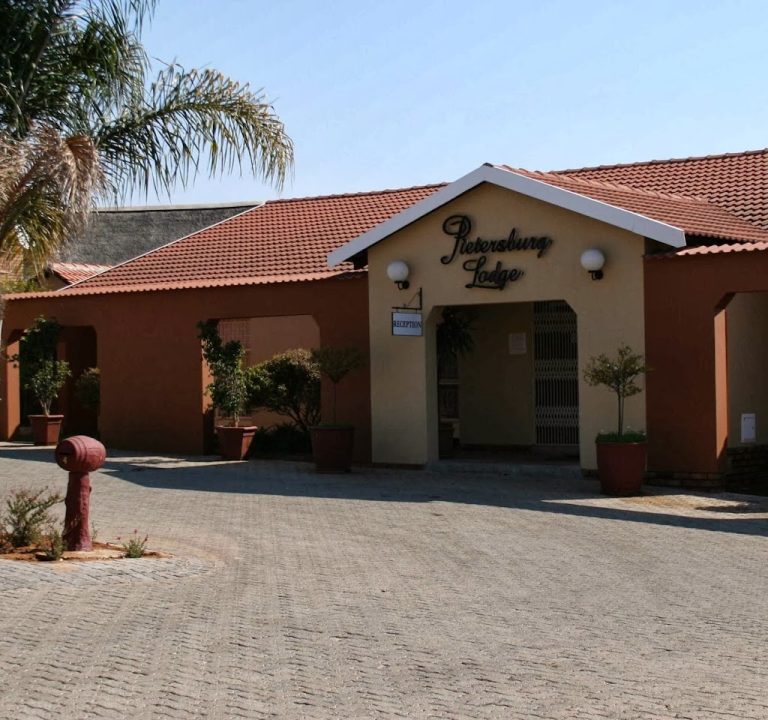
Accommodation types you may encounter include lodges set in garden settings, guesthouses with a personal touch, and mid-range hotels offering solid value for money. A notable example you might come across is a lodge with a strong sense of place, which can provide easy access to on-site dining and outdoor spaces, as well as information about local attractions. Such properties often emphasise hospitality and customised experiences, from braai evenings to guided nature walks.
Beyond the fixed comforts of your stay, Polokwane offers a gateway to a variety of experiences. Day trips and short excursions can include nature reserves, wildlife experiences, birdwatching, or an exploration of the region’s markets and cultural spaces. For dining, you’ll find plenty of options that focus on fresh, local ingredients and contemporary flavours. It’s wise to sample a few neighbourhood eateries to get a sense of the city’s evolving culinary scene, while stocking up on bottled water and snacks for day trips to more remote areas.
To illustrate how one property can anchor a stay, consider a lodge in Polokwane that positions itself as a comfortable, welcoming base for serious travellers and relaxed breakaways alike. Such a lodge might offer a guest‑friendly website with an overview of room types, photos of the garden or pool area, and a convenient link to a partner site for planning your activities, including day trips and restaurant recommendations. For reference, you may wish to visit the following example property online: Masai Lodge Polokwane. It provides a sense of the comfort and service travellers often seek when choosing a lodge in this region.
In short, Polokwane rewards careful planning: pick a well‑located base with dependable amenities, factor in travel time to key sights, and balance your days between nature, culture, and relaxed dining. With a thoughtful choice of accommodation and a flexible itinerary, you can enjoy a comfortable stay while discovering the vibrant pace and natural beauty of Limpopo.