Polokwane, Limpopo: where to stay and what to do during your visit
Polokwane, the capital of Limpopo, is a welcoming gateway to the northern regions of South Africa. When planning a stay, consider the areas that best suit your travel style: the city centre for convenience and dining options, leafy suburbs offering a quieter retreat, and outlying routes that provide easy access to nature reserves and day trips. Whether you’re visiting for business, a family trip, or a short break, Polokwane offers a range of accommodation to fit different budgets and preferences, including guest houses, lodges, boutique hotels, and self‑catering options.
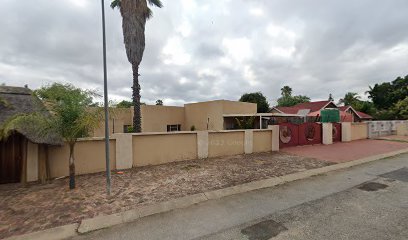
Guest houses and lodges are popular choices for visitors seeking a more personal, homely atmosphere. You’ll often find hosts who are keen to share local tips, from the best markets to the simplest nature walks. In Polokwane you may come across a family‑run guest house such as Molepa Guest House—a typical example of a local, mid‑range option that aims to provide a comfortable base with thoughtful amenities. Expect private rooms or suites, a prepared breakfast, and access to common spaces where you can relax after a day of sightseeing.
Key things to look for when booking include location relative to the places you plan to visit, safety, and the availability of practical amenities. A well‑situated property near the city centre or major routes can save travel time. Reliable on‑site parking is a practical perk if you’re exploring by car. Consider properties that offer free Wi‑Fi, a hot breakfast, and secure access at night. If you’re travelling with family or groups, check for family rooms or suites, and whether there is a kitchenette or self‑catering facilities. For longer stays, a place with a washing facility or laundry service can be a real convenience. Also note the cancellation policy and whether there are flexible booking options during peak travel periods.
Typical amenities across Polokwane’s accommodation range from comfortable beds and en‑suite bathrooms to shaded outdoor spaces, pools, and verandas where you can unwind after a day of exploration. Dining options vary: some properties provide breakfast only, while others may offer full board or the option to arrange meals with local eateries. If you rely on power during outages, ask about generators or backup power arrangements, as load shedding can influence comfort. Accessibility is another practical consideration; if you’re travelling with someone who uses a mobility aid, verify ground‑floor rooms and accessible bathrooms in advance.
Getting around Polokwane is straightforward with private cars, taxis, and rideshare services available. While you can navigate parts of the city on foot or by bicycle in pleasant weather, a car offers flexibility for day trips to nearby reserves or markets. If you plan to explore beyond the city, check whether your accommodation can help arrange guided tours or private transfers to nearby attractions. The roads are generally easy to follow, but a reliable map or GPS is useful when venturing to rural areas or nature trails.
Best time to visit Polokwane depends on your preferences. The dry season, typically from May to September, offers cooler days and less humidity, which can be more comfortable for outdoor activities and city sightseeing. It is a good time for wildlife viewing in nearby reserves and for exploring the city’s markets and museums without the inconvenience of heavy rain. The summer months bring warmer temperatures and afternoon showers; this is a lush, vibrant period with a different kind of energy and more opportunities for green landscapes and birdlife. Pack accordingly for sun, heat, and possible showers, and plan outdoor activities for the early morning or late afternoon when temperatures are milder.
Attractions in and around Polokwane generally fall into a few broad categories. Cultural experiences and local markets offer a glimpse into Limpopo’s heritage and everyday life. Museums and galleries provide context on regional history and contemporary art. Nature lovers can plan trips to nearby nature reserves or scenic viewpoints, with stopovers to enjoy birdwatching, short hikes, and easy day walks. For dining, Polokwane presents a mix of casual eateries, coffee shops, and restaurants serving a range of cuisines. In general terms, you’ll find options that highlight local ingredients and flavours, as well as international dishes, often clustered around the city centre and main thoroughfares. It’s wise to ask hosts or hotel staff for recommendations based on your interests, whether that’s a relaxed coffee and pastry morning, a lunch of traditional dishes, or a dinner with a modern twist.
Practical travel tips for a smooth stay:
- Book in advance for peak periods and consider paying a little extra for flexible cancellation if your plans may change.
- Prioritise safety and secure parking; read property reviews about security arrangements in the surrounding neighbourhood.
- Clarify meal options and dietary accommodations when booking, especially if you prefer breakfast included or want access to a kitchenette.
- Check accessibility requirements if needed, such as step‑free entry and an accessible bathroom.
- Ask for local tips on markets, cafés, and day trips to tailor your itinerary to your interests.
- Bring a light jacket for evenings and a hat for sunny days; seasons can be hot during the day even in otherwise mild months.
In summary, Polokwane offers a welcoming mix of accommodation styles that suit a range of budgets and travel plans. Whether you choose a traditional guest house like Molepa Guest House, a boutique retreat in a quiet neighbourhood, or a centrally located hotel, you’ll find thoughtful amenities and a chance to immerse yourself in Limpopo’s vibrant culture and natural beauty. Use the local knowledge of hosts and staff to plan your days—there are plenty of opportunities to experience the region’s wildlife, markets, and cuisine in a relaxed, travel‑friendly setting.