Durban: Where to Stay and How to Enjoy KwaZulu-Natal’s Coastal City
Durban, a lively harbour city on the east coast of South Africa, blends subtropical beaches, rich cultural flavours and a relaxed street-life energy. When planning a stay, consider balance: easy beach access, proximity to shops and dining, and convenient routes to the wider KwaZulu-Natal region. Whether you prefer a boutique guesthouse, a modern city hotel, or a comfortable apartment in a residential pocket, Durban offers options that suit a range of itineraries and budgets.
Areas to consider for your stay include the bustling beachfront precinct, the historic and elegant neighbourhoods near the city centre, and quieter residential pockets a short drive away from the coast. The beachfront and Golden Mile provide you with immediate access to the iconic sands, promenade strolls, and oceanfront eateries. The area around the harbour offers a more urban atmosphere with convenient transport links and a variety of dining and entertainment choices. For a more relaxed pace, consider suburbs a little inland where guesthouses and boutique hotels sometimes provide a warmer, homely feel, often with easier parking and better value for longer stays.
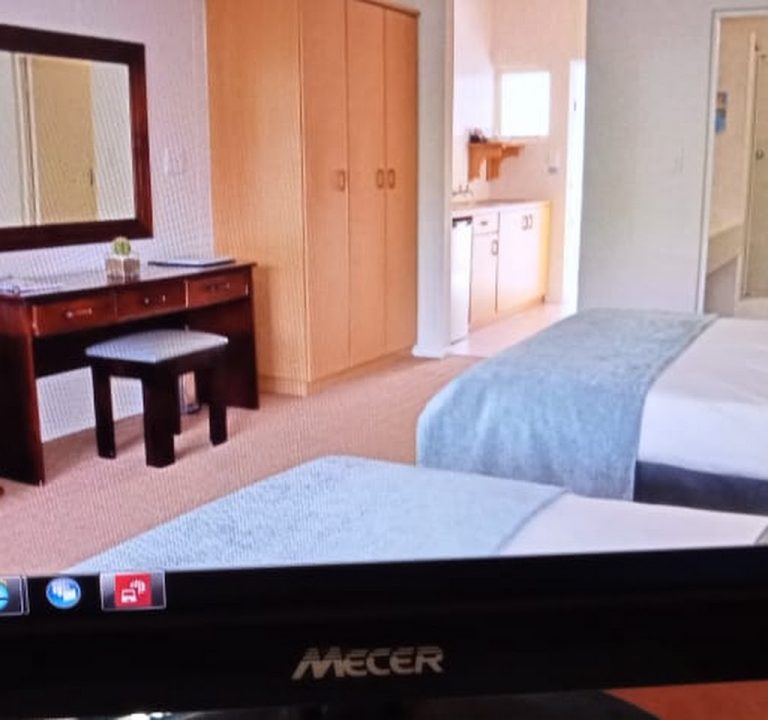
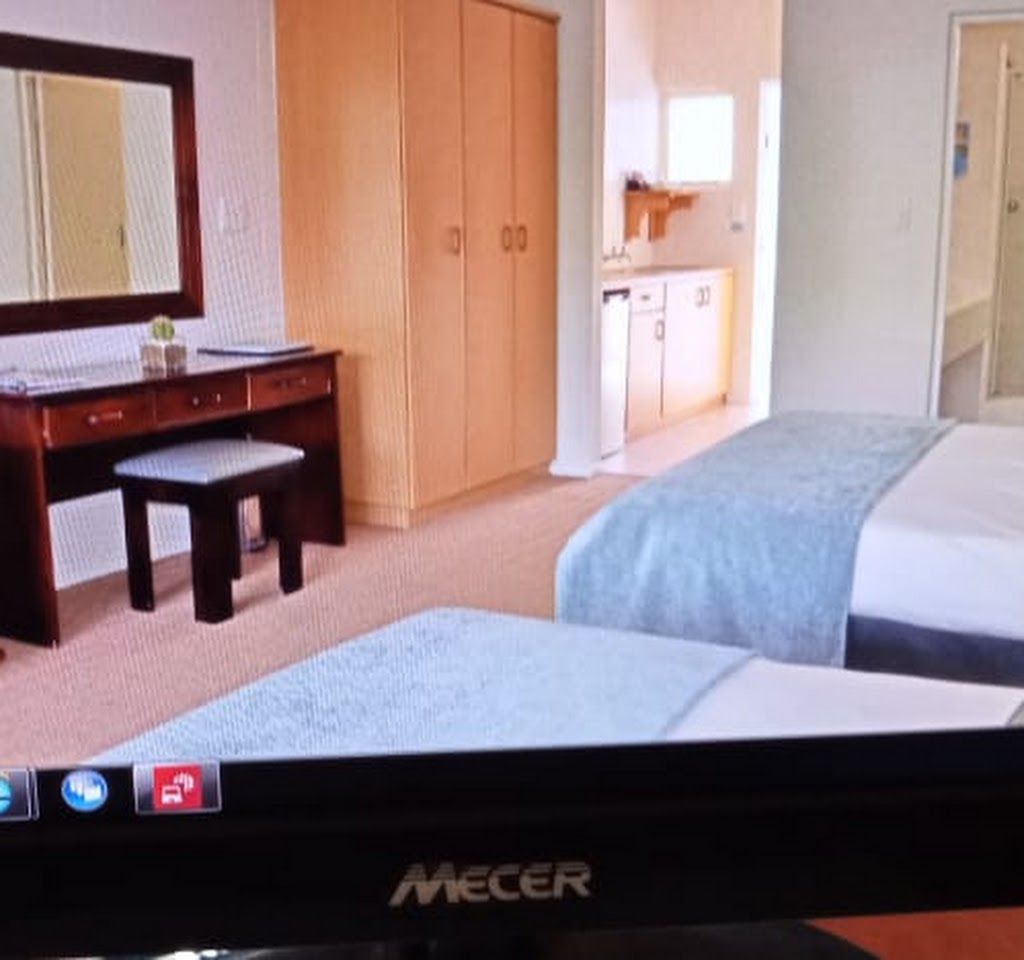
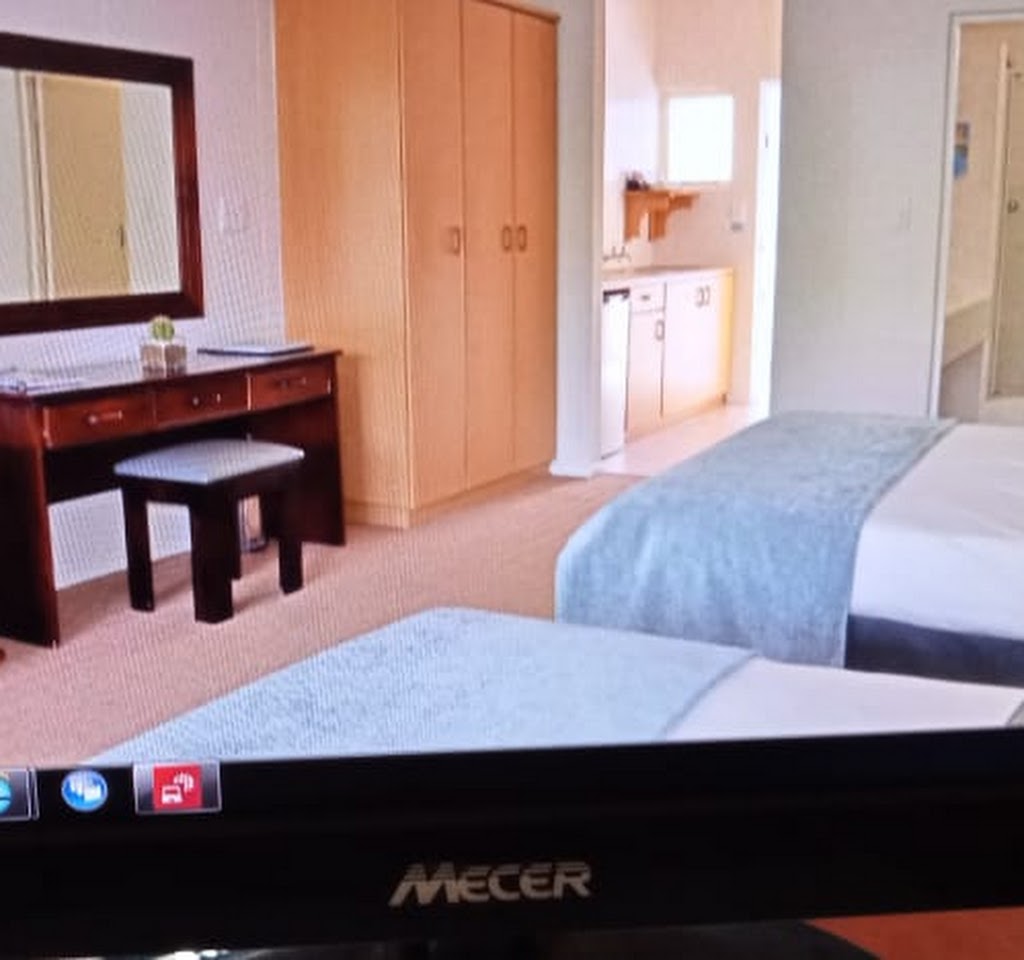
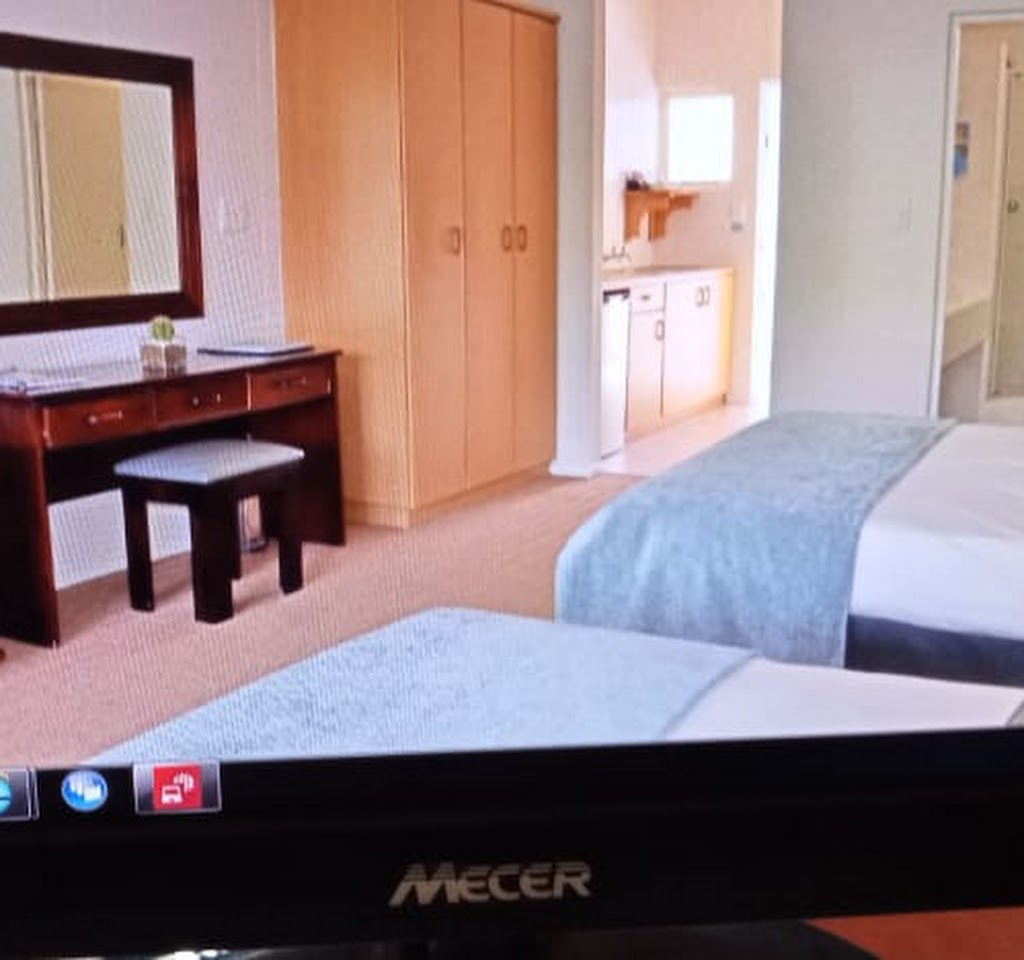
When choosing accommodation, reflect on what matters most to you. If you see yourself making the most of the seaside, aim for properties with direct beach access or easy boardwalk access and a breakfast option that fuels long days out. If you’ll be working during your trip or planning day trips, a comfortable desk area, reliable Wi-Fi, and quiet rooms become important. Many Durban properties offer secure parking, which is a practical consideration for visitors renting cars or hiring drivers for day trips to surrounding areas such as the Valley of a Thousand Hills or the inland game reserves.
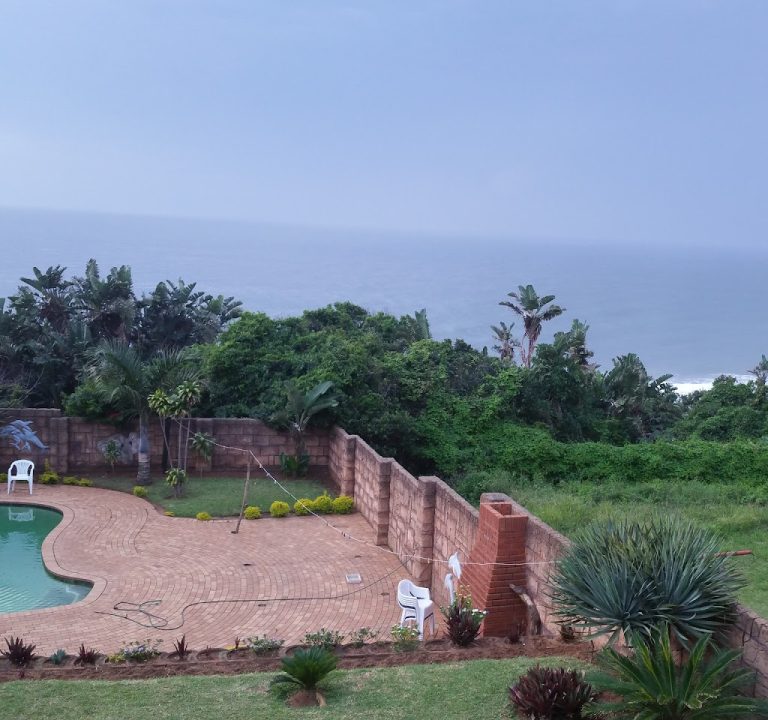
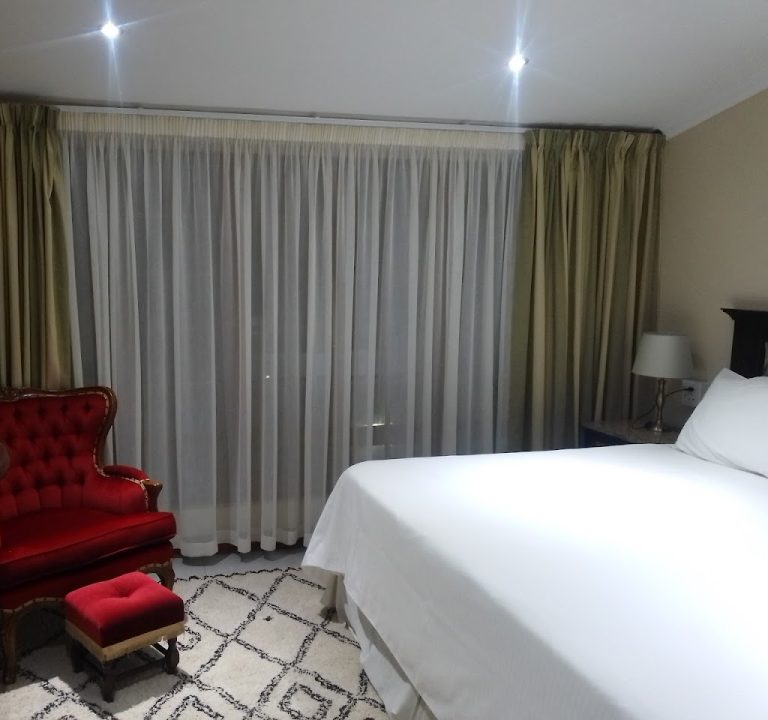
Typical amenities you might encounter include air conditioning to counter Durban’s humidity, furnished balconies or verandahs with sea views, on-site parking, coffee or tea facilities, and access to a small kitchen or kitchenette in self-catering options. A calm, clean environment with thoughtful decor can greatly enhance your stay, as can attentive staff who can advise on local markets, street food hubs, and seasonal events. Public transport connections, including bus routes and rail stations, are worth noting if you plan to stay outside the main tourist zones.
Practical planning tips for a Durban visit:
- Book with flexible cancellation where possible, as weather and traffic conditions can influence plans.
- Check distance and time to the city’s primary beaches, eateries, and any planned day trips to save time on the road.
- Ask about laundry facilities or nearby laundromats if you’re on a longer stay.
- Confirm air conditioning or cooling arrangements, especially during warm summer months or humid periods.
- Investigate local security features, such as gate access or 24-hour reception, to ensure peace of mind during your stay.
Transport in Durban is practical yet requires a little planning. If you’re staying near the beachfront or city centre, walking and short rides are feasible for daily activities, with taxis or ride-hailing services offering convenient options for late evenings. For longer explorations to the upper hills, inland attractions, or nature reserves, a rental car or organised day trips often makes the most efficient use of your time. If you prefer not to drive, check whether your accommodation can arrange trusted drivers or transport partners for pre-arranged tours, as this can simplify logistics.
The best time to visit Durban is influenced by your plans and tolerance for heat. The city experiences a subtropical climate, with hot, humid summers and mild, dry winters. For outdoor activities, spring and autumn are comfortable, while winter offers cooler evenings that are pleasant for city strolls and cultural visits. If you’re visiting for festivals, markets, or gastronomic events, align your stay with local calendars to catch vibrant street life and live music in the evenings.
Durban’s attractions and experiences are broad and varied. In general terms, you’ll find a mix of golden beaches, coastal walks, markets, and cultural sites that reflect the city’s Indian and Zulu heritage, along with modern shopping and dining scenes. You can expect neighbourhoods to offer a mosaic of casual eateries, traditional curryhouses, and contemporary fusion cuisine, with venues ranging from laid-back cafés to more formal restaurants. For a well-rounded visit, plan a day to stroll along the promenade for sea breezes, explore local markets for crafts and spices, and consider a guided tour or cultural centre visit to gain insight into the region’s rich history and communities. A visit near the harbour area can reveal working waterfront rhythms and maritime views, while inland pockets provide green spaces and residential character that feels distinctly Durban.
Where to stay in Merebank or nearby areas can be part of a practical strategy if you’re balancing work and leisure, or if you’re visiting families or colleagues in corporate settings. Look for options that offer easy access to major routes, visible security, and quiet rooms for rest after busy days. Whether you choose a modern apartment hotel, a guesthouse with a homely touch, or a comfortable lodge-style property, Durban’s accommodation landscape invites you to tailor your stay to your itinerary, with the city’s warm climate and welcoming hospitality as a constant backdrop. For those seeking inspiration or planning tips, many properties provide local insights, maps, and restaurant recommendations to help you make the most of your Durban visit.”