Durban: Where to stay, what to do and how to plan your visit
Durban, on the KwaZulu-Natal coast, blends warm Indian Ocean beaches with a vibrant urban edge, rich cultural heritage and access to the dramatic inland scenery of the province. For travellers, the city presents a range of accommodation options—from stylish guesthouses and serviced apartments to family-run B&Bs and modern lodges. When planning a stay, consider anchoring your itinerary to a core area and then weaving in day trips to the coast, harbour precincts, and nearby nature reserves.
Accommodation in Durban tends to cluster around several key areas, each with its own character. The Golden Mile and the central beachfront are popular for first-time visitors who want to be within easy reach of the city’s seafront promenades, restaurants and nightlife. For a more relaxed or family-friendly vibe, look to the northern suburbs and inland neighbourhoods that offer quieter streets, larger gardens and better access to residential dining and local markets. If you are seeking a coastal escape on the doorstep of the sea, consider lodges or self-catering properties closer to the shore such as those near popular beaches and scenic viewpoints along the Dolphin Coast or inland retreat options that provide a tranquil contrast to the city bustle.
When choosing a place to stay, think about three core factors: location relative to your planned activities, transport access, and the style of hospitality you prefer. If you will rely on taxis, ride-hailing services or public transport, staying near major routes, bus stops or railway stations can save you time. For a more relaxed pace with longer beach days, a coastal lodge or B&B with on-site facilities — such as a pool, a garden space and self-catering options — can be ideal. If you’re travelling with family or a group, a self-contained apartment or a larger guesthouse can provide flexibility and value.
Typical amenities in Durban accommodation include well-equipped kitchens or kitchenettes, free Wi‑Fi, air conditioning or fans, generators for occasional outages, secure parking, and daily or weekly housekeeping. Some properties offer additional comfort features such as outdoor seating terraces, braai (barbecue) facilities, or access to communal lounges and libraries. When booking, check bed configurations carefully (whether twins or doubles, single or family rooms) and confirm whether breakfast is included, or if you’ll be dining out for most meals. For longer stays, a kitchen or kitchenette can significantly improve convenience and cost efficiency.
Durban’s climate is subtropical, with hot summers and mild winters. The best time to visit depends on your priorities. For sun-soaked beach days and warm sea temperatures, plan for late spring to early autumn. If you’d prefer fewer crowds and lower humidity, aim for the shoulder seasons in spring or autumn. Pack sunscreen, a hat, comfortable walking shoes and a light rain layer for late-summer showers. If you enjoy outdoor markets, gardens, and street events, check the local calendar for seasonal happenings, public markets and cultural performances that animate several neighbourhoods throughout the year.
Getting around Durban is simplest with a car, but it is entirely possible to rely on taxis, ride-hailing services and some well-connected bus routes. In central areas, walking is feasible for short trips to the beach, markets and cafés. For day trips, a guided excursion or a private transfer can be efficient and comfortable, especially if you are visiting beyond the safe municipal limits. Always factor travel time into your plans, as traffic can vary significantly, particularly near the coast and during peak hours.
Attractions and experiences in and around Durban are varied and suit different interests, from coastal walks and family-friendly beaches to cultural hubs and nature-rich escapes. You might structure a visit around a stroll along the seafront, a visit to a museum or gallery, and a trip to a wildlife park or reserve within a reasonable drive. For food lovers, Durban’s dining scene ranges from casual seaside eateries to vibrant neighbourhood cafés and traditional South African fare. Many areas offer late-afternoon or evening dining options, as well as markets where you can sample locally grown produce and artisanal goods.
Practical tips for planning your stay:
- Book accommodation with flexible cancellation policies when possible, especially if you are visiting during peak seasons or around public holidays.
- Look for properties with easy access to the main routes and public transport, to minimise time spent commuting.
- Confirm whether on-site parking is available and whether it is secure.
- Consider a mix of a coastal stay for beach access and a inland residence for quieter evenings and easy access to shops or markets.
- Pre-book key activities or dining reservations if you have particular experiences in mind, particularly on weekends.
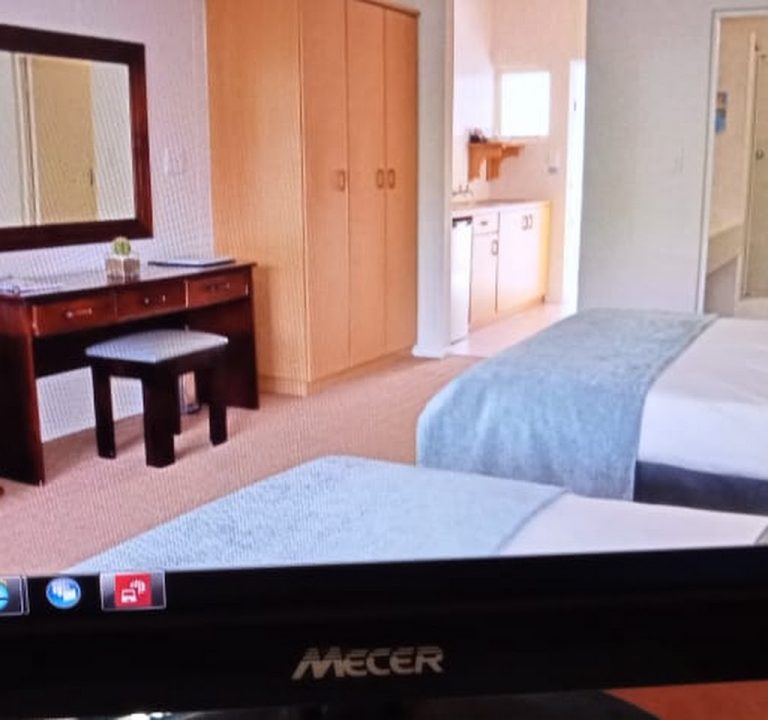
One illustrative lodging option in the KwaZulu-Natal region, such as the Umgababa Self-Catering Lodge, exemplifies the lodge-style stay that can offer comfortable, self-contained accommodation with a coastal backdrop. While each property varies, this category often balances homely hospitality with practical amenities suitable for both short breaks and longer stays. For a complete current picture, consult the individual property pages or travel platforms, and plan around the specific location, accessibility and facilities offered.
Durban remains a destination with a generous blend of beaches, city culture and nature experiences. By choosing the right area, balancing transport options, and lining up key experiences, you can craft a stay that feels both relaxed and thoroughly memorable. For further inspiration and up-to-date ideas, explore official tourism resources and local guides that capture the evolving charm of KwaZulu-Natal’s coastline and inland landscapes.