Durban: Where to stay, what to do and how to plan a visit
Durban, in KwaZulu-Natal, blends subtropical beaches with a rich cultural heritage, making it a destination that rewards careful planning. From laid‑back guesthouses on leafy residential streets to modern hotels near the harbour and beachfront, the city offers a range of options for different budgets and preferences. When you’re choosing a place to stay in Durban, think about convenience for the kinds of activities you enjoy, your transport needs, and how self‑catering or full‑service you want your accommodation to be.
Areas to consider when booking a stay
- Durban’s Golden Mile and beachfront precincts: ideal for first‑time visitors, joggers, and cyclists, with easy access to sandy shores, promenade walks, and a cluster of dining spots.
- Bereau and central Durban: convenient for business travellers or guests who want a mix of city amenities, historic architecture, and easy access to markets and museums.
- Glenwood, Morningside, and Musgrave: popular with visitors who value walkable streets, boutique cafés, and proximity to parks and medical facilities.
- Durban North and Umhlanga: suited to travellers seeking a quieter, residential atmosphere with good beaches and modern conveniences, often with scenic coastal views.
- South Coast and country lanes inland: for a slower pace, rural scenery, and access to nature reserves or coastal villages a short drive away.
What to look for when booking accommodation
- Guest house character versus hotel style: Durban’s guesthouses often offer warm hosts, a personalised touch and home‑y comforts, while hotels provide more facilities on site and more predictable services.
- Nearby transport links: check whether you’ll have convenient access to taxis, ride‑hailing, or public transport, and whether the property offers secure parking if you plan to hire a car.
- Connectivity and space: reliable wi‑fi, workspaces if you’re travelling on business, and well‑appointed bedrooms with good bedding are worth prioritising.
- Facilities and amenities: consider whether you need a swimming pool, an on‑site restaurant, self‑catering space, or laundry access, and whether breakfast is included.
- Flexibility and policies: look for clear cancellation terms, policies on children and pets if relevant, and the ability to adjust your stay if plans shift.
Typical amenities and practical tips
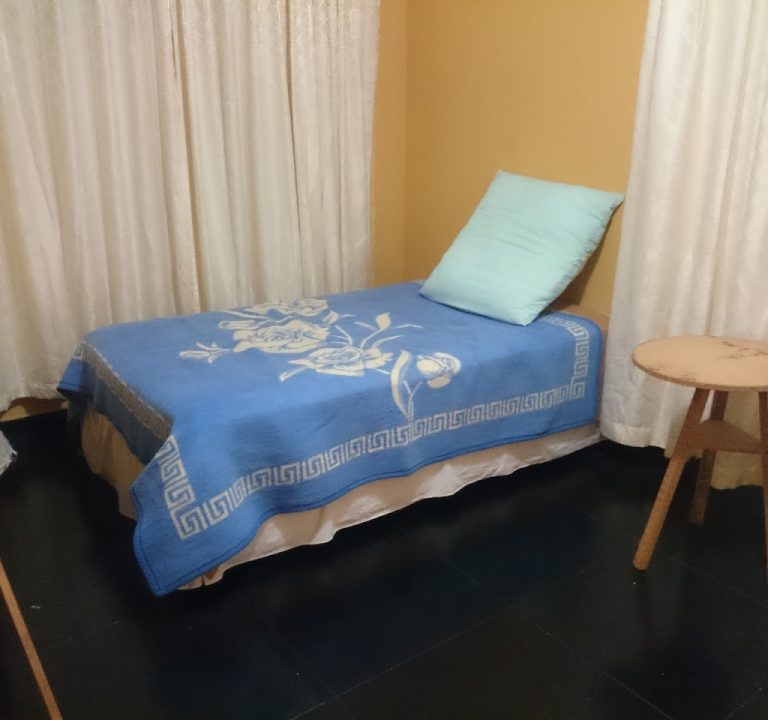
In Durban, many guest houses and boutique stays offer private entrances, air‑conditioning or fans for the humid subtropics, and en‑suite bathrooms. Photographs of rooms and shared spaces often highlight design touches that reflect KwaZulu‑Natal’s warm hospitality. You’ll commonly find ensuite showers, weekly housekeeping, and secure on‑site parking. Breakfast may range from continental selections to heated regional favourites; some properties also provide access to communal kitchens for self‑catering needs.
Transport and getting around
Durban’s traffic can be lively, particularly during peak hours near the beachfront and central business district. A car gives you the most flexibility to explore the coast and inland attractions, but many areas can be navigated by Uber or local taxi services. If you stay near the beachfront, you’ll likely be within easy walking reach of promenade attractions, souvenir markets, and casual dining options. For day trips beyond the city, a booked tour or a hire car is advised.
Best time to visit and practical considerations
Durban enjoys a warm climate most of the year, with its tropical‑style weather making beachtime appealing from late spring through autumn. The peak travel months are often during school holidays, when beaches and attractions tend to be busier. If you prefer quieter periods, consider the shoulder seasons when hotel rates may be gentler and beaches less crowded. Pack lightweight clothing for daytime, a light jacket for cooler evenings, and sun protection for outdoor activities. If you plan to visit nature reserves or coastal towns a short drive away, a well‑planned day trip can be rewarding, but always check local opening times and any seasonal considerations.
What to do and where to eat in broad terms
Durban’s attractions span sandy shores, maritime heritage, and cultural experiences. A stroll along the seafront, visits to local markets, and family‑friendly activities at coastal venues feature high on most itineraries. The city is known for its vibrant dining scene, with a mix of casual eateries, bistros, and seafood spots offering influences from Indian, African, and wider international cuisines. For meals, look for places that source fresh ingredients, prioritise flavour, and suit the pace of your day, whether you want a quick bite or a relaxed sit‑down experience. In addition to eating establishments, you’ll find opportunities to explore museums, art galleries, and botanical spaces that provide insight into Durban’s dynamic history and natural beauty.
Putting it together for a stay at LUH Guesthouse or similar properties
A guesthouse experience near Durban’s beachfront or leafy inner suburbs typically combines a welcoming host with comfortable rooms and a shared sense of place. When planning a stay, consider how much time you want by the pool or in common areas, what you hope to see in the surrounding neighbourhood, and how easy it is to reach the areas you want to explore. If you are organising a longer break, look for options that offer flexible breakfast arrangements and, if desired, nearby markets or cafés for fresh coffee and light meals. Always confirm check‑in times, parking arrangements, and any seasonal perks before booking to ensure your itinerary runs smoothly.
Durban is a city of contrasts and convenience, where friendly hospitality and a pace that suits the traveller converge. With thoughtful planning around accommodation, transport, and daily activities, you can build a stay that blends beach days with cultural discoveries, all while enjoying the warm welcome that KwaZulu‑Natal is famed for.