Durban, KwaZulu-Natal: A Practical Guide to Accommodation and Local Experiences
Durban is a coastal city that blends subtropical beaches with cosmopolitan dining, cultural heritage, and easy access to the hills and valleys of KwaZulu-Natal. When planning a stay, many visitors opt for a stay in a bed and breakfast or guesthouse in one of the city’s vibrant neighbourhoods, then use public transport or short drives to reach the main sights. Whether you prefer a leafy waterfront base, a bustling city centre location, or a relaxed suburban retreat, Durban offers options to suit a range of budgets and itineraries.
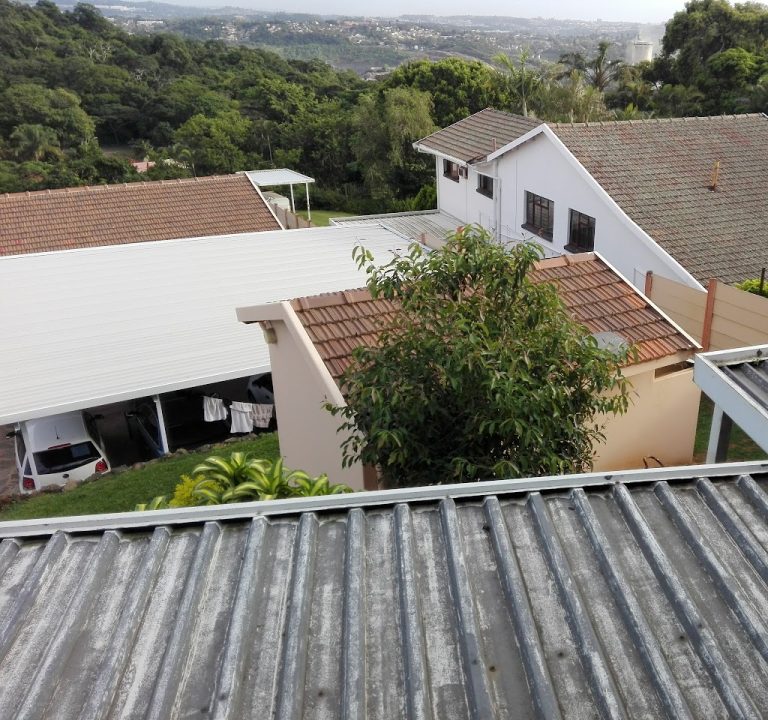
Areas to consider when booking your base include the central business district on the Golden Mile promenade, where you’ll be within easy reach of the beachfront and urban amenities. For a more relaxed ambience, the Point Waterfront and nearby backstreets offer stylish B&Bs with sea views and a short stroll to the promenade. For a family-friendly atmosphere and easy access to nature, consider lodges or guesthouses in the northern suburbs or close to natural reserves and botanical spaces. If you’re after a strong local flavour and proximity to markets and casual eateries, inner-city or neighbourhoods a few kilometres inland can be excellent bases.
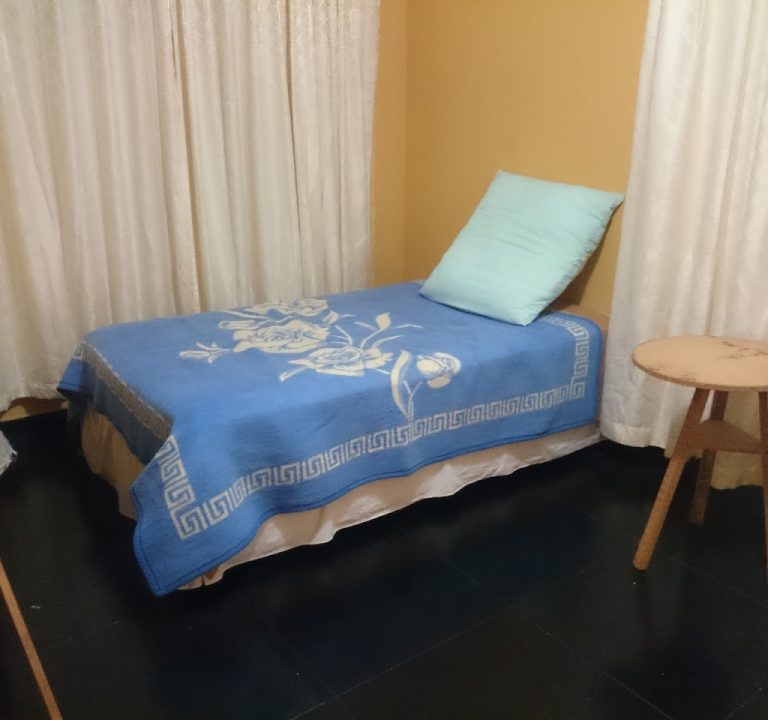
Typical amenities to look for include clear, well-lit rooms with adequate ventilation, comfortable beds, and private or well-separated bathrooms. Many Durban guesthouses and B&Bs offer breakfast included, sometimes with a traditional or contemporary South African twist. Practical extras to consider are air conditioning or fans for the warm subtropical climate, reliable Wi-Fi, safe parking, and secure access after hours. If you’re driving, confirm on-site parking or nearby options, and check whether the property offers shuttle or taxi arrangements for arrivals and departures.
Transport in Durban is varied. If you’re staying near the beachfront or the central areas, you’ll likely rely on a mix of walking, Uber or other ride-hailing services, and short taxi rides to reach restaurants and sights. For day trips to the inland hills, rural towns, or a safer option for evening outings, consider arranging private transfers or renting a car. If you enjoy rail travel, Durban’s regional services can connect you to other coastal towns and inland attractions, but be mindful of schedule changes and peak-time crowding.
Best time to visit Durban depends on what you’re after. The summer months (roughly November to February) bring warm sea air and lively beach scenes, but also higher humidity and the possibility of thundershowers. The shoulder seasons (March to May and September to November) offer pleasant temperatures and quieter streets, which can be ideal for exploring the city’s parks, markets, and museums. If you’re keen on outdoor adventures in the nearby hinterland, plan for the drier winter months. Pack sun protection, a light rain layer, and comfortable walking shoes, as Durban’s streets can incline and slope in places, and many attractions are best accessed on foot.
When planning your itinerary, consider a mix of relaxation, culture, and cuisine. Durban’s coastline invites long beach walks, a dip in the sea when conditions permit, and scenic promenades along the Golden Mile. Museums, galleries, and historic sites offer insights into the region’s diverse heritage, including rich urban and coastal histories and the influence of Zulu culture. You’ll find that dining in Durban ranges from casual seaside eateries serving fresh seafood to more refined restaurants offering modern South African or Indian-influenced dishes. If you enjoy markets, look for craft stalls and fresh produce where you can sample local flavours and pick up unique souvenirs.
Practical booking tips include reading recent guest reviews to gauge the consistency of housekeeping, service, and security. Check the property’s cancellation policy and whether breakfast is offered in-house or as a nearby option, and confirm accessibility requirements if needed. When booking a B&B or guesthouse, you may prefer a host who is knowledgeable about local transport routes, neighbourhood safety tips, and day trip ideas. If you’re staying near the coast, ask about sea-facing rooms and whether balconies or verandas are available for a pleasant evening breeze.
On the day of arrival, have a clear plan for getting from the airport or rail station to your base—whether by pre-arranged transfer, ride-hailing, or a well-timed taxi. Once settled, a flexible mix of guided walking routes, self-guided coastal strolls, and light adventures into the nearby hills can help you make the most of your stay. Durban’s micro-neighbourhoods often host small eateries and coffee spots that are worth exploring on foot, giving you a feel for daily life beyond the main tourist routes.
For a balanced stay, consider pairing a comfortable B&B base—ideally close to the seafront—with day trips to notable coastal and inland attractions. Your hosts can usually provide up-to-date recommendations for safe and convenient dining options, as well as current transport arrangements and weather considerations. A well-planned itinerary that blends rest with light exploration will help you enjoy Durban’s warmth, hospitality, and the gateways it offers to KwaZulu-Natal’s landscape and culture.
- Areas to consider: beachfront zones, central business district, northern suburbs, inland neighbourhoods
- Amenities to prioritise: good air conditioning, reliable Wi‑Fi, secure parking, breakfast option
- Transport tips: ride-hailing, modest car hire, possible rail connections
- Best time to visit: shoulder seasons for comfortable weather and fewer crowds