Durban: Accommodation, Attractions and practical tips for planning your stay
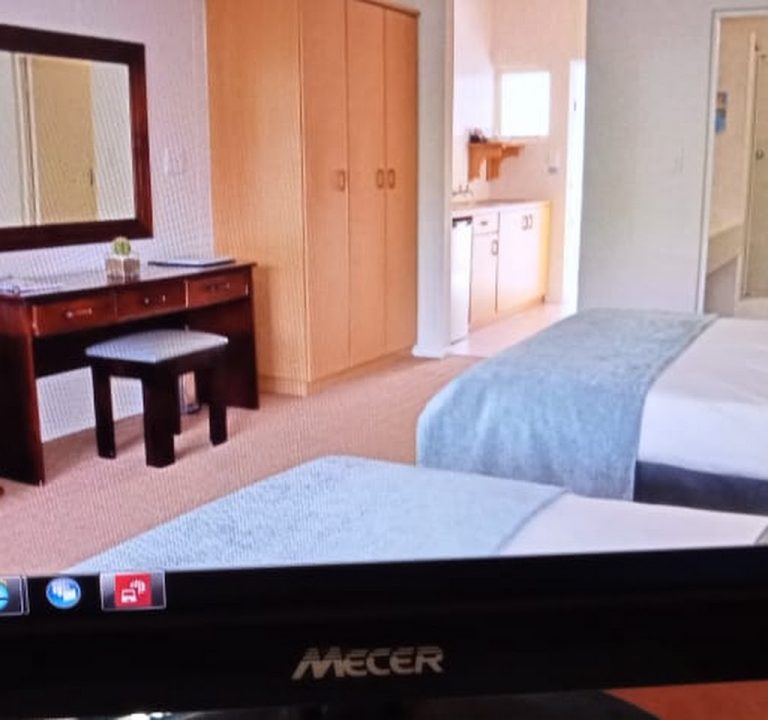
Durban in KwaZulu-Natal blends subtropical beaches with the bustle of a thriving port city, offering a wide range of places to stay and things to do. When planning a visit, consider the area you’ll be based in, the type of stay you prefer, and how you’ll get around. Durban’s guest houses, boutique hotels and self-catering apartments provide a spectrum from intimate, home-style stays to larger properties with added amenities. A classic Durban guest house such as Thompson’s Boarding House can illustrate the charm of a more personal, guest-focused experience, with warm hospitality and a convenient central location.
Areas to consider for your stay include the beachfront precinct and the Golden Mile, where many hotels and guest houses offer easy access to the sea, promenading, coffee spots and casual eateries. If you’re seeking a quieter environment with leafy streets and a village feel, look to the residential districts a short drive from the coast, where guest houses and boutique hotels often provide a more tranquil base with convenient parking and neighbourhood dining choices. For a lively, foodie-friendly atmosphere with easy access to markets and nightlife, you might prefer the central and Berea areas, which offer a mix of modern apartments, guest houses and guest-friendly inns.
When booking, assess what matters most to you. Room layouts and privacy are key for couples and solo travellers alike, while families may prioritise larger suites or self-catering facilities. Check whether the property offers reliable air conditioning or fans for Durban’s warm months, secure parking, and easy access to public transport or convenient on-site parking if you’ll hire a car. Consider whether a property provides a kitchenette or a continental breakfast, and whether laundry facilities are available if you’re longer-term. A well-reviewed guest house can provide a sense of personalised service, including local recommendations for eating and activities.
Durban’s climate is warm and humid in summer, with more frequent showers, and mild, dry conditions in winter. The best time to visit for beach days is typically late spring to early autumn, though the shoulder seasons can offer pleasant weather and fewer crowds. Plan around the sea and sun, but also leave room in your itinerary for cultural experiences, markets, and nature reserves on the hills and inland valleys. If you’re visiting in the peak season, booking well in advance is advisable for popular properties and unique stays, particularly around school holidays and public events.
Typical amenities you may encounter include en-suite bathrooms, daily housekeeping, garden or veranda spaces, and guest lounges with access to light meals or tea and coffee. Many Durban properties provide free Wi‑Fi, safe storage for valuables, and helpful front-desk service for arranging local tours or restaurant reservations. On the transport front, Durban is well connected by a combination of taxis, ride-hailing services, and some bus routes. If you’re self-driving, check on-site parking arrangements and proximity to major routes such as the highway network or the coast road. If you’re relying on public transport, ask your host or property manager about the most convenient options for trips to beaches, markets and city attractions.
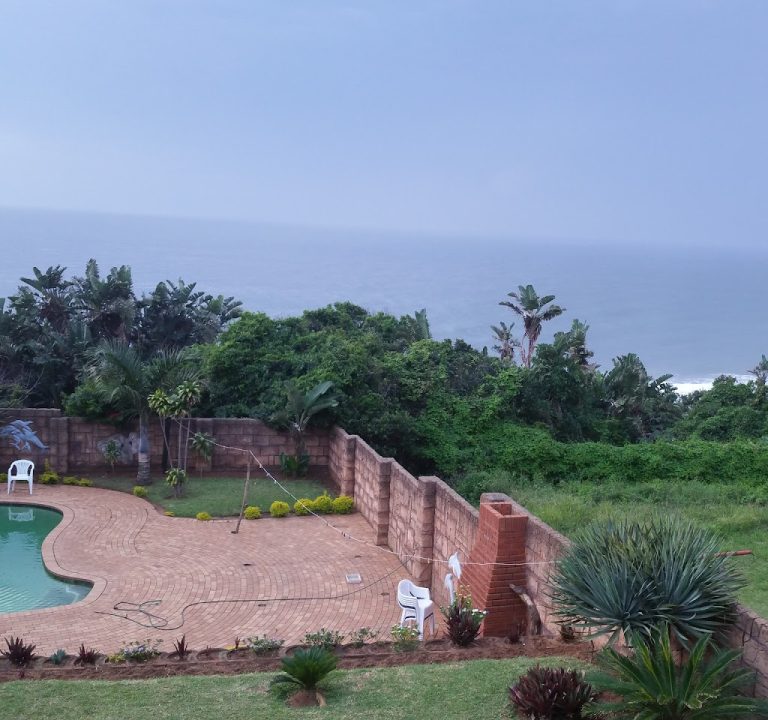
Attractions in Durban span golden beaches, bustling markets, cultural hubs and family-friendly experiences. The coastline offers miles of sandy shores with safe swimming zones and scenic promenades for strolls. If you enjoy marine life, you may plan a day at an aquarium or coastal attraction designed to entertain and educate. Inland, you’ll find rolling hills, nature reserves and opportunities for hiking or scenic drives. The city’s historic and cultural layers are reflected in museums and galleries, while dining areas cater to diverse tastes—from casual seafood spots to modern eateries offering contemporary twists on local flavours. For a well-rounded visit, set aside time for a relaxed morning at a market or a café, followed by a coastal walk or a short scenic drive into the surrounding hills.
Practical tips to help you make the most of your stay:
- Book accommodation with clear cancellation terms and photos that match the listing. Look for honest guest reviews about cleanliness, staff responsiveness and location.
- Consider proximity to the places you plan to visit and whether you’ll rely on car access or public transport. If you’ll be in the central areas, a compact property with easy access to cafés and beaches can save time.
- Check what is included in the rate—breakfast options, access to shared spaces, and laundry facilities can influence value, especially for longer stays.
- Pack sun protection, light layers for cooler evenings, and comfortable walking shoes for markets and promenades.
- Respect local safety guidance and park in secure areas if driving. Ask your host for reliable taxi or ride-hailing options and recommended routes.
- Plan restaurant visits with local timing in mind; some places open for lunch or early dinners, while others are more suited to evening dining.
Durban’s combination of warm hospitality, scenic coastline and vibrant culinary scene makes it a compelling destination for a stay that blends relaxation with discovery. Whether you choose a snug guest house like Thompson’s Boarding House, a boutique hotel along the beachfront, or a self-catering apartment in a leafy neighbourhood, you’ll find a base that suits your rhythm. Pair your stay with time to explore markets, coastal walks, and the surrounding scenery, and you’ll create a balanced itinerary that captures the spirit of this inviting KwaZulu-Natal destination.